


 For all latest news, follow the Daily Sun's Google News channel.


What Sylhet’s Youth Dialogue Signals for Bangladesh’s Politics
Dr Ziauddin Hyder
Published: 23 Jan 2026, 06:10 PM
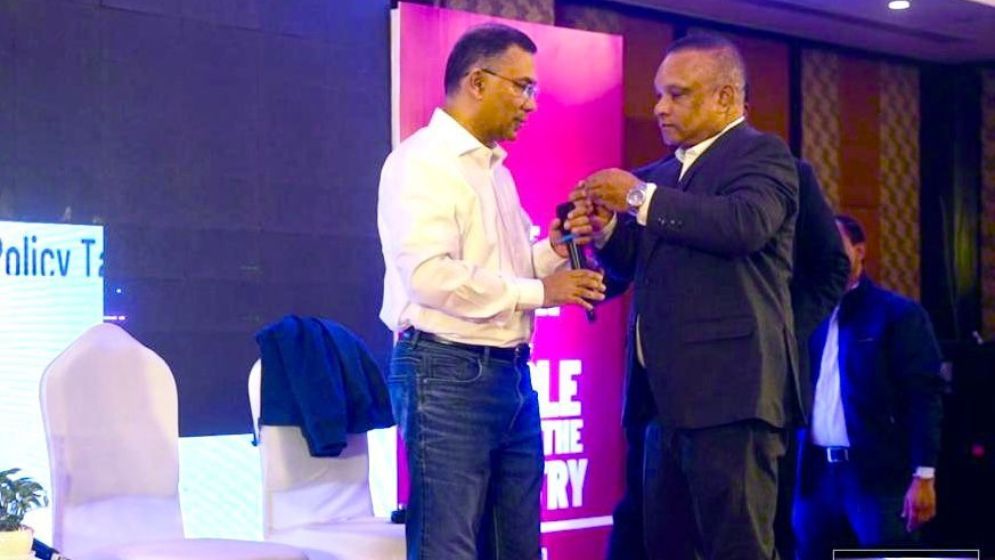
Photo: Collected
On 22 January,
something quietly but profoundly different unfolded at a policy dialogue in
Grand Sylhet. One hundred and forty meritorious students, drawn from 19 public
and private higher education institutions including medical colleges, an
agricultural university, and Shahjalal University of Science and Technology, sat
across the table from Tarique Rahman, the acting chairman of the Bangladesh
Nationalist Party - BNP. They were not selected for political loyalty, but for
academic merit. And the conversation was not about slogans, but about
solutions.
This was not a
conventional political rally. It was a structured youth policy dialogue, arguably
the first of its kind in Bangladesh, where a top leader of the country’s
largest political party chose to engage directly with talented learners on a
substantive reform agenda simply called “The Plan.” The exchange marked a
deliberate shift in tone: away from rhetoric, toward evidence; away from
mobilization by identity, toward participation by ideas.
At the center of
the dialogue were eight policy pillars that BNP believes are essential for
building an inclusive, growth-oriented Bangladesh in the spirit of Bangladeshi
nationalism. These pillars—health, education, agriculture through the Krishok
Card, women’s self-reliance through the Family Card, employment, sports, and
the dignity and well-being of religious leaders—were not presented as abstract
promises. They were discussed as interlinked systems that must work together if
Bangladesh is to unlock its demographic dividend.
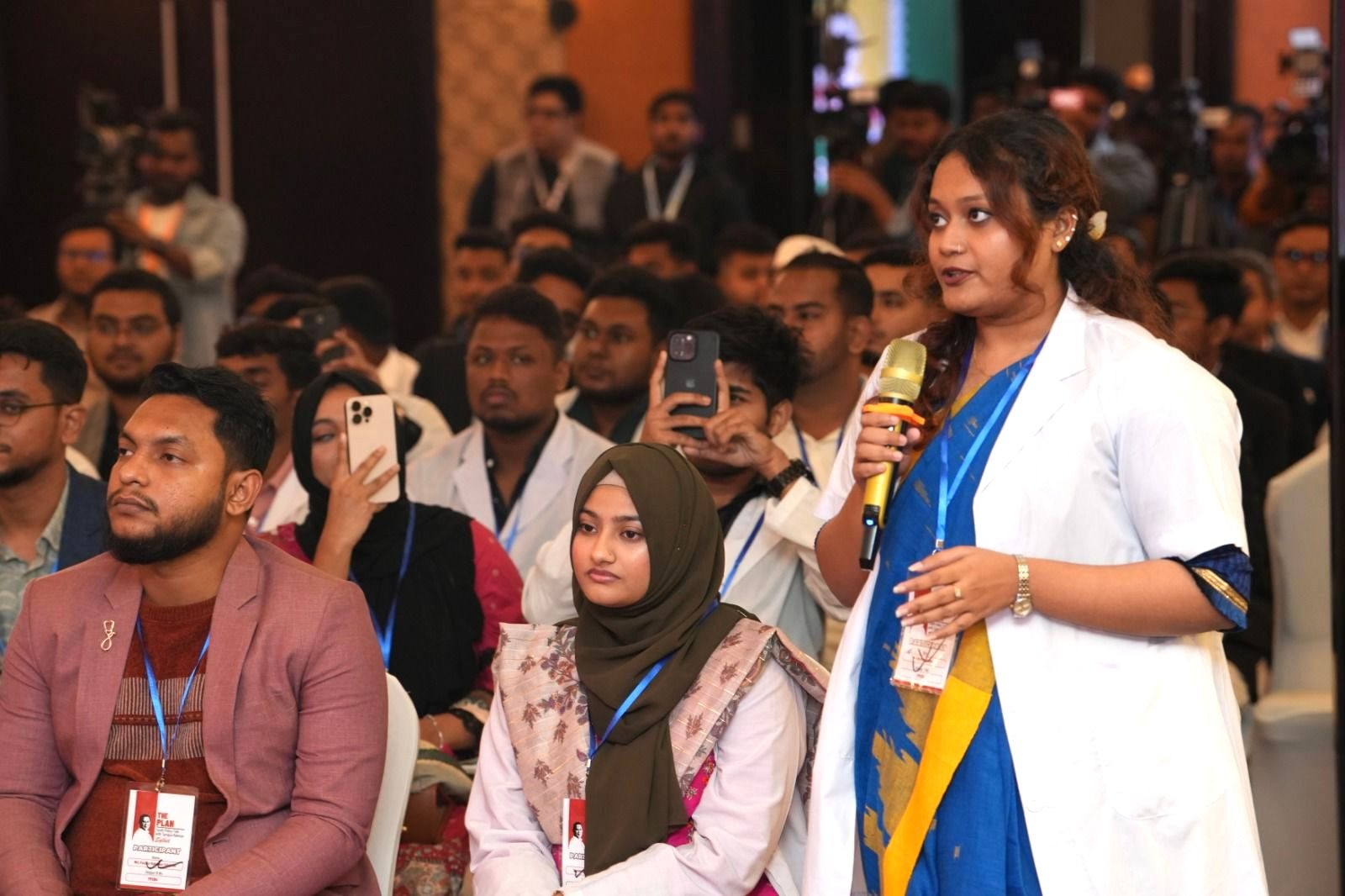
Students asked hard questions. Future doctors spoke about the need to rebuild primary healthcare so hospitals are not overwhelmed and families are not pushed into poverty by medical bills. Engineering and science students emphasized skills, research funding, and the gap between university curricula and labor market demand. Agriculture students discussed the Krishok Card not just as a subsidy tool, but as a way to restore dignity, predictability, and technological access for farmers. Female students framed the Family Card as a pathway to autonomy, linking social protection with nutrition, education, and participation in the workforce.
What stood out was
not agreement on every detail, but the seriousness of the exchange. Politics
here was treated as a problem-solving exercise, not a theatrical performance.
For a generation often dismissed as apathetic or cynical, the Sylhet dialogue
sent a different message: that merit matters, that evidence matters, and that
young people deserve a seat at the table before policies are finalized, not
after they fail.
This matters for
Bangladesh’s democratic future. For too long, politics has been dominated by
loud rhetoric and winner-takes-all confrontation, leaving little space for
thoughtful engagement with citizens, especially young, educated citizens whose
aspirations are rapidly changing. By convening a merit-based youth forum, BNP
signaled an intention to institutionalize listening as part of leadership. If
sustained, such engagement can help rebuild trust between politics and society,
and gradually shift political culture from personality-driven narratives to
policy-driven debate.
The implications
go beyond Sylhet. Bangladesh is at a crossroads: a large youth population,
rising educational attainment, and mounting pressures from unemployment,
climate change, and inequality. No serious reform agenda can succeed without
harnessing the ideas, energy, and scrutiny of young people. The Sylhet dialogue
offered a glimpse of what that partnership could look like.
Importantly, this
was not framed as a one-off event. Building on the Sylhet experience, BNP is
now planning a similar youth policy forum in Chittagong on January 25 at Hotel
Radisson. If replicated across regions—and kept genuinely merit-based and
non-partisan—these forums could become a new democratic practice: a bridge
between national leadership and the country’s brightest minds.
Politics does not have to be divorced from evidence. Leadership does not have to fear questions. And young people do not have to remain spectators in decisions that shape their futures. The Sylhet youth policy dialogue showed that another way is possible. The real test now is whether this model of engagement becomes a habit, not an exception—and whether Bangladesh’s politics finally begins to look as forward-looking as its youth.
The writer is an
Adviser to the Chairman of Bangladesh Nationalist Party (BNP)