



 For all latest news, follow the Daily Sun's Google News channel.


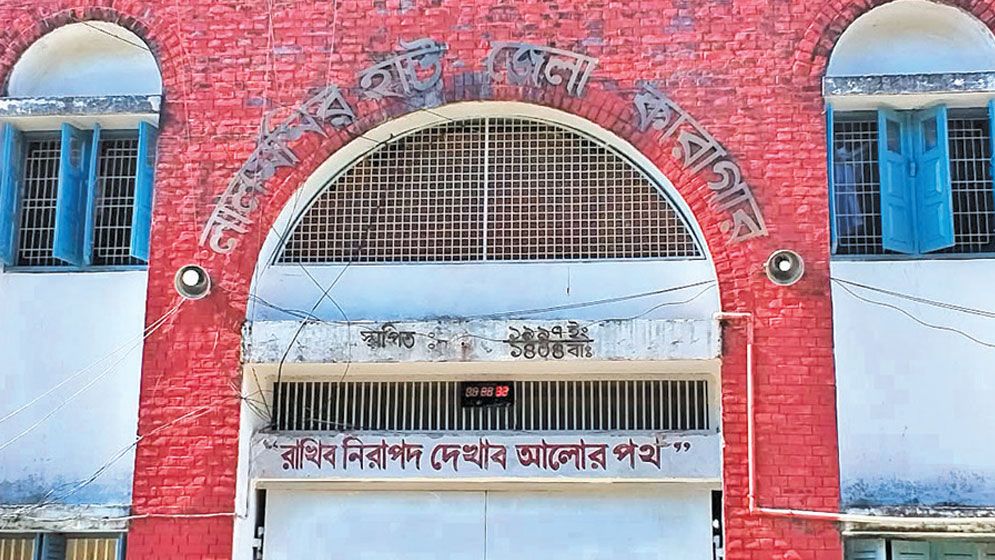
Lalmonirhat district Jail is accommodating more than three times its approved capacity, raising concerns over the health and living conditions of the inmates.
According to prison sources, around 619 inmates are currently staying at the jail, which has a capacity of only 190 people. The number sometimes exceeds 700, forcing inmates to stay in overcrowded wards, lock-ups and other available spaces.
Prison sources said the authorities are struggling to accommodate the excess inmates due to a shortage of space. Many prisoners have to stay in cramped lock-ups and on balconies, resulting in sanitation problems and difficulties in maintaining basic hygiene.
The overcrowding has also increased health risks, with inmates reportedly suffering from various illnesses. Designated one doctor and a pharmacist at the jail are struggling to provide healthcare to the large number of prisoners, sources said.

A recently released prisoner from Patgram's Burimari area, seeking anonymity, said overcrowding has created serious problems with sanitation, bathing and accommodation.
Another inmate, Abul Hossain, said prisoners are living in difficult conditions despite the authorities' efforts to accommodate them inside and outside the lock-ups. Frequent power outages during hot weather further worsen the situation, while inmates sometimes have to share beds, he said.
A family member of a long-term prisoner, who was arrested in a political case, alleged that the food provided by the authorities is insufficient to meet inmates' nutritional needs. The family member also said relatives face restrictions when trying to send additional food items from outside.
Jamal Uddin, an official of Lalmonirhat District Jail, said the authorities are making their best efforts to manage the additional inmates while maintaining food quality and healthcare services.
He said the authorities are strictly monitoring the jail to prevent unethical financial transactions and remain vigilant about inmates' health. Regular health check-ups are conducted, while critically ill prisoners are referred to Lalmonirhat Sadar Hospital or Rangpur Medical College Hospital, he added. He also said the housing problem has been reported to the higher authorities.
Dr Rafiqul Islam, general secretary of the Lalmonirhat District Lawyers Association, said the situation is concerning as the number of inmates is more than three times the jail's capacity.
He said a shortage of judges at the Lalmonirhat Chief Judicial Magistrate Court has slowed the judicial process. However, appeals against short sentences in drug cases and bail applications have increased, which may help reduce the pressure on the jail, he added.
Firoza Begum, executive director of FIDA, a local NGO and human rights activist, said inmates staying beyond the jail's capacity are being deprived of their basic rights. She called for immediate and effective measures to address the overcrowding.
Local rights activists and relatives of inmates also urged the authorities to take steps to improve the jail's infrastructure in line with the number of prisoners, warning that prolonged overcrowding could further increase their physical and psychological suffering.