


 For all latest news, follow the Daily Sun's Google News channel.


Interview
‘Liver can regenerate within 6-8 weeks’
Hedayet Ullah Khan
Published: 28 Sep 2026, 12:00 AM
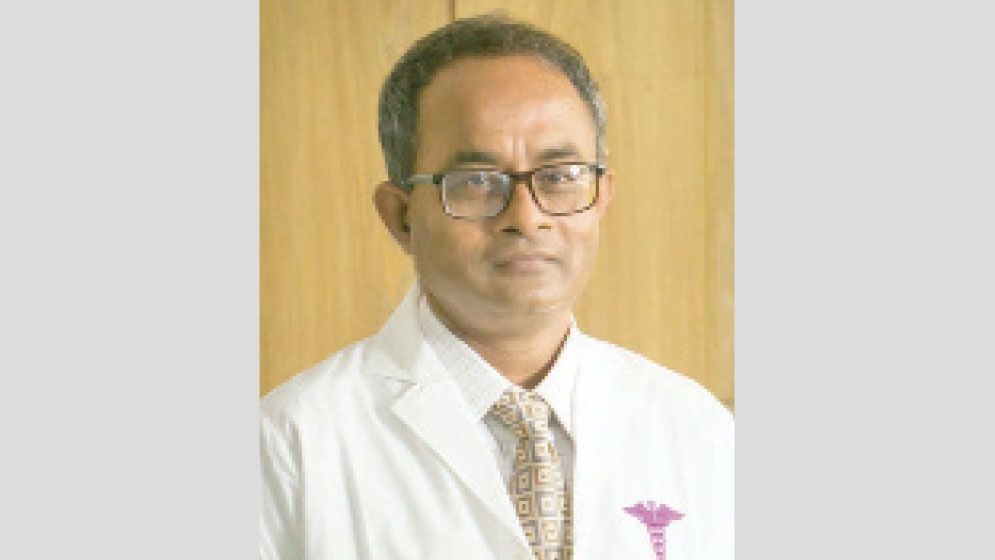
Liver disease kills between 22,000 and 25,000 people in Bangladesh every year, with more than 1000 patients needing a transplant annually, yet the country still lacks sufficient transplant facilities. Prof Dr Bidhan Chandra Das, chairman of Hepatobiliary, Pancreatic and Liver Transplantation Surgery at Bangladesh Medical University, tells Daily Sun Staff Reporter Hedayet Ullah Khan how hepatitis B, hepatitis C and fatty liver disease progress to cirrhosis and failure, why living-donor transplants allow both donor and recipient livers to generate, and why unverified online remedies for fatty liver offer no real substitute for diet and exercise.
Daily Sun: What are the major causes of liver disease and cirrhosis that eventually lead to transplantation?
Dr Bidhan Chandra Das: There are three major causes: hepatitis B, hepatitis C and fatty liver disease. When a hepatitis virus infects the liver, it gradually damages liver cells, and over time fibrosis develops. As fibrosis progresses, the liver shrinks and loses its ability to perform its normal functions. Fatty liver follows a similar path: when excess fat accumulates inside liver cells and remains there for a long period, it causes inflammation, a condition we call steatohepatitis. Left unmanaged, this too can progress to fibrosis and eventually cirrhosis. Once a large number of liver cells are destroyed and the liver loses its functional capacity, transplantation may become necessary. There are also less common causes, such as Wilson's disease and certain congenital or metabolic disorders, but hepatitis B, hepatitis C and fatty liver remain the three we see most often. Hepatitis B can largely be prevented through vaccination, and both hepatitis B and C are treatable, though treatment can be expensive – so prevention, avoiding shared needles or shaving equipment, and early detection remain important.
Daily Sun: When do doctors decide that a patient needs a liver transplant?
Dr Bidhan: We consider transplantation when the liver has lost its functional capacity to such an extent that the patient cannot continue to live normally with the diseased liver – when it can no longer adequately perform its essential functions and the disease is causing irreversible failure. The underlying cause may differ – hepatitis B, hepatitis C, fatty liver disease or another disorder – but the key issue is always the loss of liver function itself.
Daily Sun: Fatty liver is becoming increasingly common. What causes it to progress to cirrhosis, and how can people protect their liver?
Dr Bidhan: As our country's economy improves, people's food consumption is increasing, but physical activity is decreasing. Many people travel by car, stay in air-conditioned environments and remain seated for long periods, while consuming calorie-rich foods. In Bangladesh, whenever there is a social gathering, we often eat polao, biryani and other rich foods. Combined with inactivity, fat accumulates in the body and eventually in the liver, and if proper care is not taken, this can gradually progress to cirrhosis. We should reduce our intake of rice and increase our consumption of vegetables. Young people can exercise regularly; middle-aged people can walk or do slow running, depending on their physical condition; elderly people should at least walk and remain active. People should aim for around 30 to 45 minutes, or up to an hour, of physical activity on most days of the week. Some medicines may help in particular circumstances, but they cannot replace lifestyle modification – if you do not change your lifestyle, medicines alone will not solve the problem. This is increasingly a concern for children too, many of whom spend long hours indoors with little space to play; sunlight, vitamin D and activity from childhood help prevent obesity and fatty liver later in life.
Daily Sun: In a living-donor transplant, does the donor give up their entire liver, and does it regenerate?
Dr Bidhan: No. The entire liver is not taken from a living donor – a suitable portion, currently primarily the right lobe, is removed and transplanted after the recipient's diseased liver is fully removed. The remaining liver in the donor gradually grows back, because the liver has a remarkable regenerative capacity. Generally, within around six to eight weeks, the donor's remaining liver regenerates sufficiently to reach the required functional volume, while the transplanted segment in the recipient also grows into an adequate functioning liver mass. So although only a portion is donated, both the donor's remaining liver and the recipient's transplanted portion undergo growth. Younger, healthier donors are preferable, and a donor's liver should have minimal or no fatty change, since a fatty donor liver may not function optimally from the outset.
Daily Sun: What are the major complications following transplantation, and how important is compliance with medication?
Dr Bidhan: One important complication is rejection: after a donor liver is transplanted, the recipient's immune system recognises it as foreign and may try to attack it. We use immunosuppressant medicines to suppress this response sufficiently to allow the transplanted liver to survive and function. The transplanted liver may also fail to function properly, sometimes from as early as the first day, which is why the quality of the donor liver is extremely important. Rejection can also occur later – a month after transplantation, a year later, or even many years later. Compliance with immunosuppressive medication is therefore extremely important. If a patient stops taking these medicines or does not take them properly, the immune system may attack the transplanted liver, resulting in rejection even after many years. Discipline and regular follow-up are essential.
Daily Sun: What is the long-term survival rate after liver transplantation?
Dr Bidhan: With current treatment and transplant care, outcomes can be very good. Generally, the one-year survival rate is around 90 to 95 per cent, while the five-year survival rate is around 80 to 85 per cent. Long-term data also show that a substantial proportion of transplant recipients can survive for 20 years or more. A patient who might otherwise die within a relatively short period because of advanced liver disease can potentially gain many additional years of life through transplantation. The exact outcome depends on many factors, including the patient's condition, the cause and severity of liver disease, the quality of the donor liver, surgical complications, infection, rejection and adherence to post-transplant treatment.
Daily Sun: A number of products are being sold online claiming to reduce or cure fatty liver. Are these reliable?
Dr Bidhan: I am not sure what exactly these products contain or what they are doing, but I do not think they are particularly authentic or reliable without proper scientific evidence. The basic approach is straightforward: remain physically active, maintain a healthy diet and eat more vegetables. These are the main things people should focus on, rather than relying on unverified products marketed online.
Daily Sun: What is your key message for people who want to keep their liver healthy?
Dr Bidhan: Stay active, exercise regularly, reduce excessive rice and calorie-rich foods, eat more vegetables and avoid unhealthy lifestyle habits. At the same time, people should be aware of hepatitis B and hepatitis C, take appropriate preventive measures and seek medical advice when necessary. Liver transplantation can transform the prognosis of patients with irreversible liver failure – but it is not simply an operation. It is a long-term process involving proper donor selection, complex surgery, immunosuppressive treatment, regular monitoring and strict patient discipline. With appropriate selection and proper post-transplant care, transplantation can provide patients with a substantial extension of life and a chance to return to a much more normal life – for many with end-stage liver disease, a genuine road to a new life.