


 For all latest news, follow the Daily Sun's Google News channel.


NPL crisis poses biggest challenge to banking sector
Daily Sun Report, Dhaka
Published: 02 Apr 2026, 09:43 AM
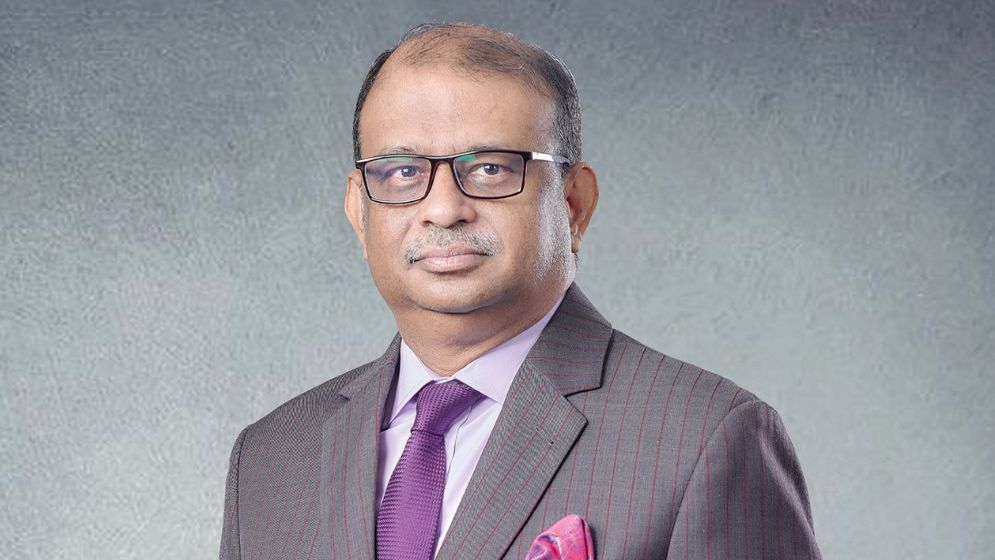
Ali Reza Iftekhar, managing director of Eastern Bank Limited. Photo: Collected
Ali Reza Iftekhar, Managing Director of Eastern Bank Limited, has said that the banking sector’s primary crisis at present is not liquidity, but rather a high volume of non-performing loans (NPLs), which are “like a cancer” eroding the sector from within. Overall, he noted, there is no severe liquidity shortage across the industry, although some banks are facing difficulties. The more pressing concern, however, is bad loans, which are significantly affecting the broader economy, bank profitability and shareholder dividends.
In an interview with Bangladesh Pratidin, the Eastern Bank MD said that from the outside, banks may appear profitable, but internally, NPLs are weakening them. As a result, banks are forced to maintain higher provisions, limiting their ability to distribute dividends. According to Bangladesh Bank data, the country’s default loan ratio remains very high. Although there has been a slight recent decline, it is still far above international standards.
Highlighting Eastern Bank’s performance, he said the bank has maintained an average NPL ratio of around 3 percent over the past 30 years. He attributed this success to four key strategies: careful client selection, proper evaluation of loan proposals, regular post-disbursement monitoring, and a strong recovery mechanism. Iftekhar emphasised that without proper monitoring after disbursement, even good borrowers can turn problematic.
He also noted that Know Your Customer (KYC) procedures have become much stricter in the banking sector. “Funds can no longer be deposited into banks without scrutiny. We verify clients’ sources of income and analyse their transaction profiles,” he said. Drawing on the experience of foreign banks, he added that the board’s role should be limited to policymaking rather than direct loan approvals. “The board should set policies, while professional management approves loans based on those policies—this is the most effective model.”
He pointed out that in many cases, land values are overstated compared to their actual worth, increasing lending risks, and suggested that Bangladesh Bank should exercise stronger oversight in this regard. He also observed that the sharp rise in the US dollar has placed significant pressure on businesses. A more gradual adjustment, he argued, could have prevented such a shock. The surge has increased import costs and contributed to inflation.
Describing 2026 as a challenging year, Iftekhar said that economic stabilisation takes time following political changes. On Bangladesh’s graduation from Least Developed Country (LDC) status, he said the country should move forward with the goal, but may benefit from taking additional time to prepare.
Addressing the new generation of bankers, he stressed that success requires not only smart thinking but also hard work. “There are no shortcuts to success. Leadership demands patience, skill and diligence,” he said.
He added that many senior professionals from Eastern Bank have gone on to become managing directors at other banks, while around 13 have retired. “We take pride in the fact that many of our people are now leading other banks. We have been able to develop capable bankers who are now shaping the sector—and in some cases, performing even better than us. That is our success.”
Iftekhar, who has served as Managing Director since 2007, said that when he joined, the bank’s profit stood at Tk420 million, which has now grown to over Tk9 billion. Deposits have risen from Tk30 billion to Tk570 billion, while loans have increased from Tk29 billion to Tk480 billion. The bank’s current import-export volume stands at $7.2 billion. He emphasised that this success is the result of collective efforts by the board, management and employees.
According to Iftekhar, the biggest challenge facing Bangladesh’s banking sector today is controlling non-performing loans. With sound policies, strong monitoring and professional management, he believes the crisis can be overcome. A marketing graduate from the University of Dhaka, Iftekhar is an expert in risk management and corporate compliance. He has served as Managing Director of Eastern Bank, one of the country’s leading private banks, for over 19 years, received the “CEO of the Year 2012” award, and has led the Association of Bankers, Bangladesh.