


 For all latest news, follow the Daily Sun's Google News channel.


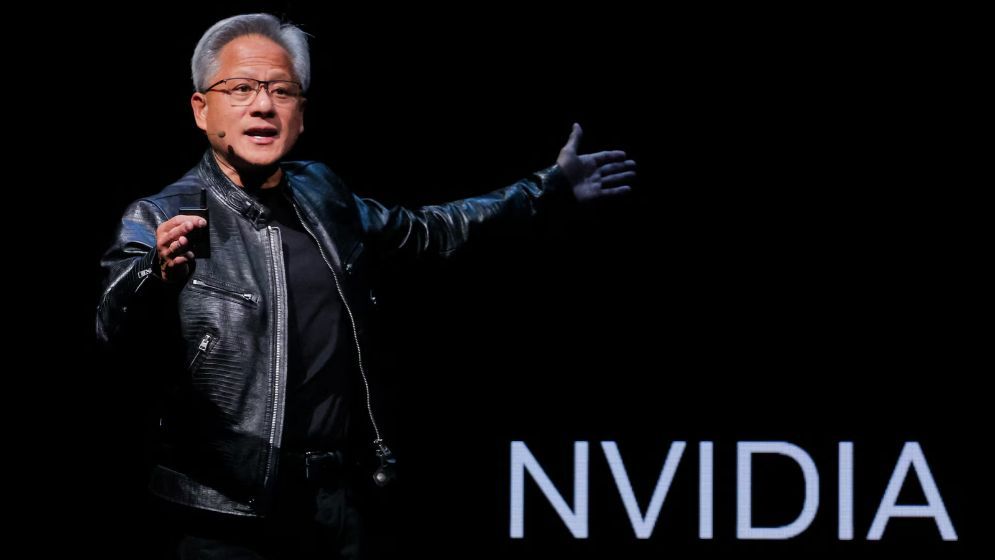
Jensen Huang speaks at event ahead of the COMPUTEX forum, in Taipei, Taiwan on 2 June 2024. Photo: Reuters
Nvidia on Monday reinstated Jensen Huang as chief executive
in a stunning reversal that the company said followed input from "senior
levels" of the US government.
Huang resigned two weeks ago over an affair with a woman
whom US intelligence agencies suspect of spying for China, a departure that
sent Wall Street tumbling and stoked fears for a US economy reliant on the AI
investment boom.
US stocks bounced early Monday after the news emerged, with
Nvidia rocketing about 26% and the tech-heavy Nasdaq up more than 5%.
President Donald Trump, who had publicly urged Nvidia to
rehire him, welcomed the move as a "correct and proper decision."
The board voted unanimously to bring Huang back as
president, chief executive and board member, effective immediately, after a
series of meetings left directors satisfied with his "candor and ability
to lead," the company said in a statement.
It said input from senior government officials had left it
confident that his return posed no national security risk, but did not name the
officials or say what they told the board.
Board chair Harvey Jones said directors believe Huang
"is the right person to lead Nvidia" and that his return serves the
interests of shareholders, employees, partners and customers.
Jones will remain chair, and chief financial officer Colette
Kress, who served as interim CEO, will continue as CFO.
Back to work
"I take this responsibility with the greatest humility
and renewed commitment," Huang said in the statement, thanking the board,
staff, shareholders and his family.
"I can't wait to get back to work."
Huang had offered to return after stepping down, but Jones
told investors on an earnings call last week that directors had unanimously
accepted his resignation and did "not intend to reinstate Jensen as
CEO."
His comeback followed a campaign by Silicon Valley figures,
with Elon Musk and Uber co-founder Travis Kalanick pushing for his return as
well as thousands of current and former employees signing a petition for his
return.
On Friday, Trump described Huang as "one of the truly
most brilliant minds in the world" and saying he would "love to see
Jensen be given a second chance."
Trump said Huang was "a good man" who "made
some bad decisions," and said Nvidia should rehire him "if they were
smart."
Huang has developed a close relationship with Trump since
the president returned to the White House, making frequent visits to
Washington, joining him on foreign trips and negotiating directly with the
administration over chip exports to China.
Nvidia was also among the largest donors to Trump's White House ballroom project, contributing $25 million, according to a donor list published by The Washington Post last month.
Secrets passed to
Beijing?
The scandal exposed divisions within the administration over
Huang and China, with hawks accusing the Commerce Department of being too close
to Nvidia and failing to police its chip sales to Beijing.
Treasury Secretary Scott Bessent, who a week earlier had
called for a "dramatic shakeup" at Nvidia and urged the board to look
outside the company for a new CEO, declined on Sunday to rule out Huang's
return.
"I think we have to see where the buck stops,"
Bessent told CBS, saying investigators first needed to establish who was
responsible for any chip sales that broke US export rules.
Huang, 63, stepped down after reports that he had a
relationship with Alice Huang -- no relation -- a former executive at
Singapore-based Megaspeed, a company that bought billions of dollars' worth of
Nvidia chips.
US intelligence services reportedly concluded she passed
information to Beijing, which has denied the allegations.
Nvidia said a committee of independent directors set up
earlier this month to investigate whether Huang was targeted by a foreign
intelligence effort will see its probe through to the end, and that Huang has
committed to cooperating.
The fate of Nvidia, whose processors underpin much of the
global AI economy, had become a major concern on Wall Street.
Dan Ives of Yorkville Ives & Co said the board "knew it had no choice but to bring him back," arguing that losing the founder at the start of a new product cycle, with a CEO search likely to run into next year, posed a bigger risk to shareholders.