


 For all latest news, follow the Daily Sun's Google News channel.


Morocco’s King Mohammed VI calls for new strategies on water, energy, AI
Daily Sun Report
Published: 10 Oct 2026, 10:09 PM
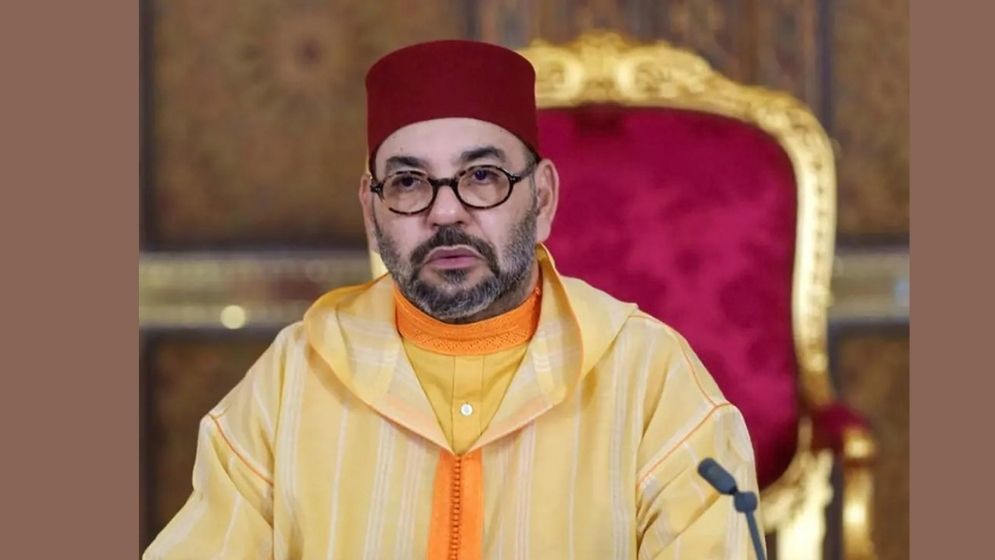
Morocco’s King Mohammed VI. File Photo
Morocco’s King Mohammed VI has called for a new generation of major strategies in water, energy, food security, industrial development, the digital economy and artificial intelligence (AI), as he urged the government and private sector to accelerate the country’s economic transformation.
The
king made the call in a speech to parliament on Friday at the opening of the
first session of the first legislative year of the 12th Legislature,
accompanied by Crown Prince Moulay El Hassan, Prince Moulay Rachid and Prince
Moulay Ahmed.
He
said the new legislative and governmental term should mark a turning point in
advancing Morocco’s ambition to become a rising and dependable economic power
while balancing economic growth with greater social and territorial equity.
The
monarch also called for faster implementation of planned infrastructure
projects, stronger strategic reserves and measures to secure supplies of
essential commodities.
He
urged the private sector to play a more active role in national development by
increasing investment, creating jobs, boosting exports and promoting
innovation.
Highlighting
the importance of young people, King Mohammed VI said youth issues should
remain at the forefront of public policies. He called for a comprehensive
approach to ensure equal opportunities through education, skills development and
economic integration.
Such
measures, he said, would strengthen young people’s confidence in national
institutions and their prospects for social advancement, while helping them
build a future based on freedom, dignity and stability.
The
king said the main challenge in the coming period would be to address problems
at the local level through practical solutions tailored to the needs of
individual regions.
He
stressed the need to improve public services, promote productive investment and
advance regionalisation and administrative deconcentration, which involves
transferring powers and resources from the central government to regional and
local authorities.
He
described further delays in implementing the administrative deconcentration
charter as unacceptable and called for the transfer of necessary
responsibilities, human resources and financial resources to provinces and
regions.
He
also urged the government to clarify the responsibilities of regional
institutions and provide them with adequate resources, alongside establishing
coordination and contracting mechanisms to help regions make decisions and
implement projects.
On
migration, the king said Morocco’s existing cooperation model had become
outdated, pointing to recurring crises despite the country’s balanced approach
to managing migration.
He
referred particularly to cooperation with neighbouring Spain, saying outdated
legal provisions and what he described as unrealistic judicial rulings were
obstructing the repatriation of minors and people making what he called false
asylum claims, while benefiting criminal networks.
He
said Morocco’s partnership with Spain was a sovereign choice and a voluntary
commitment that would not be subject to pressure, threats or blackmail.
Morocco,
he added, would present its partners with a document outlining a practical
strategic vision for a new approach to migration cooperation, shared development,
economic competitiveness and regional stability.
Concluding
his address, King Mohammed VI reminded parliamentarians that their mandate
represented both a political commitment and a moral contract with citizens,
urging them to fulfil their responsibilities to the country.