



 For all latest news, follow the Daily Sun's Google News channel.


Sweden’s opposition leads by one seat after 99% of votes counted
Md Mahmodul Haque, Nordic Correspondent
Published: 17 Sep 2026, 09:08 AM
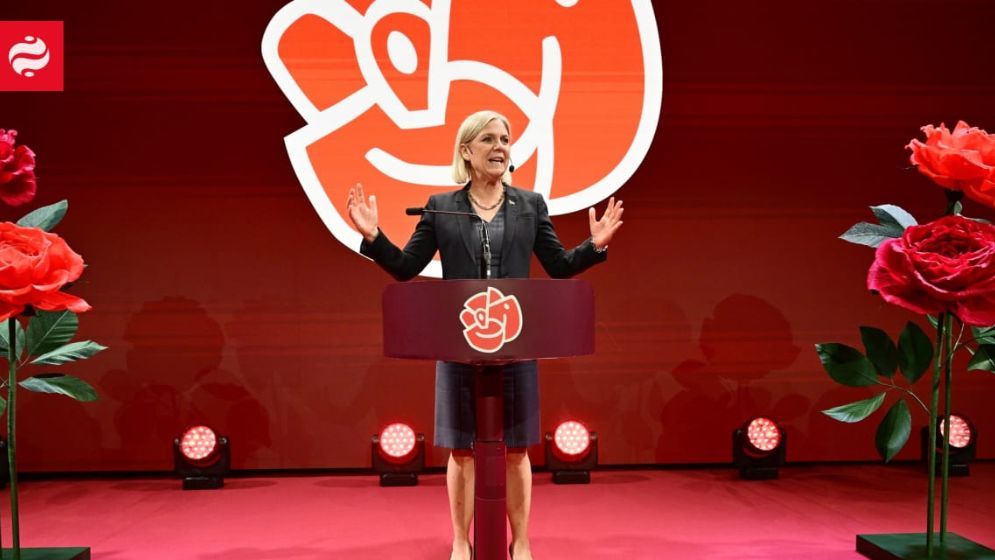
Photo: Daily Sun
Sweden’s centre-left opposition was leading the parliamentary election by just one seat after 99% of the votes had been counted, according to public broadcaster SVT, leaving the country on course for a possible change of government.
Parties led by opposition leader Magdalena Andersson of the Social Democrats were on track to secure 175 seats in the 349-seat Riksdag, while the right-wing governing bloc led by Prime Minister Ulf Kristersson was projected to win 174 seats.
Only 26,169 votes separated the two blocs as of 1647 GMT on Wednesday, underscoring how closely contested the 13 September election has been. With less than one percent of electoral districts remaining to be counted, SVT said the likelihood of the result being overturned was very low.
The governing bloc includes Kristersson’s Moderate Party, the Christian Democrats and the Liberals, along with the Sweden Democrats, which have supported the government in parliament.
The Swedish Election Authority is continuing to count late-arriving ballots, including advance and overseas votes. The final result is expected to be completed after the remaining ballots are processed.
-6aab5a3b18320.jpg)
The narrow lead has put the focus on the formation of Sweden’s next government. Even if the opposition maintains its lead, Andersson will need to navigate cooperation among the centre-left parties to form a government capable of securing parliamentary support.
The four parties currently grouped on the opposition side are the Social Democrats, the Left Party, the Green Party and the Centre Party. Their positions on government cooperation differ, which could make the post-election negotiations important.
For Kristersson’s governing bloc, the result would mean a potential change of government after four years in power if the current seat distribution remains unchanged.
The final allocation of seats will depend on the completion of the vote count and the subsequent government-formation process.