


 For all latest news, follow the Daily Sun's Google News channel.


Over 3,000 Myanmar garment workers to lose jobs as manufacturer exits Yangon
The Irrawaddy
Published: 05 Sep 2026, 05:56 PM
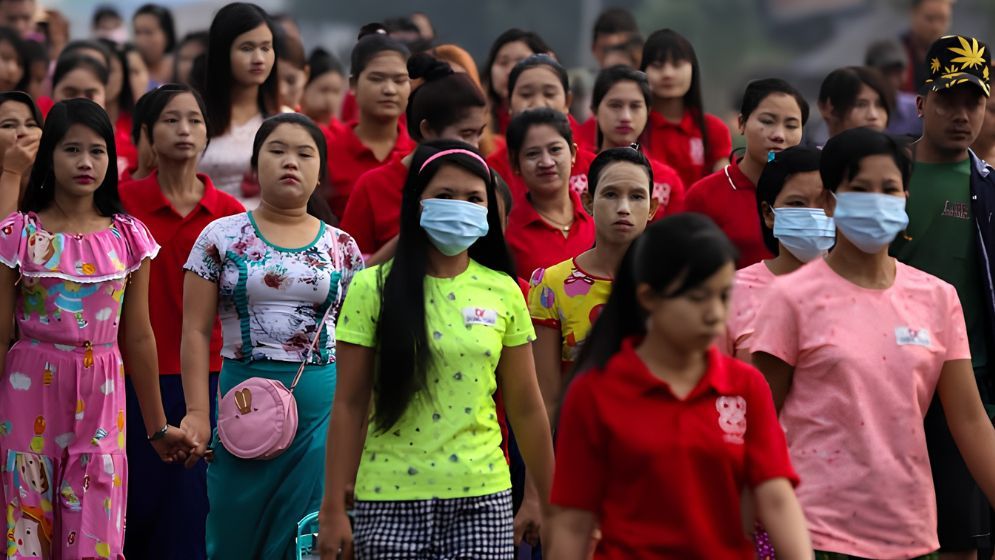
Photo: The Irrawaddy
More than 3,000 Yangon garment workers are set to lose their jobs at the end of this month after a Chinese-owned garment manufacturer in Hlaing Tharyar Township announced plans to close after 13 years in operation.
Teng Hui Myanmar said a decline in orders from its main
buyer, H&M, was the reason for the closure. The Swedish fashion brand
announced in 2023 that it was gradually eliminating military-ruled Myanmar from
its supply chain.
Teng Hui currently operates five factories in the western Yangon township, employing mainly women at one the largest garment operations in the country.
“They will be compensated as per employment contracts and the number of years they have worked,” said a manager, declining to give further details.
Local staff confirmed via TikTok that factory management
gave them notice and told them to find new employment.
“I was devastated by the sudden news of the factory
closures,” said a garment worker wo has spent the last 10 years at Teng Hui.
She said laid-off workers fear they will not be able to find new jobs.
The garment industry has been ravaged by labour shortages,
political instability, and frequent power outages since the 2021 coup, driving
up costs and factory closures.
Videos shared on TikTok show staff in Teng Hui uniforms,
tagged with farewell messages.
Under Myanmar labor law, employers are obliged to give
workers 30 days’ notice of employment termination plus compensation based on years
of service.
Garment workers earn a daily wage of around 10,000 kyats (less than US$ 3).
Meanwhile, global brands are being pressed to remove Myanmar
from their supply chains over widespread labor abuses under the military
regime.
The International Labor Organization (ILO) has sanctioned
the regime for ongoing violations of worker rights ranging from detention and
torture of union members to forced military conscription. Under Article 33 of
the ILO constitution, it has called on member governments, employers and unions
to pressure the country into compliance.
However, some observers argue that pressuring foreign companies to boycott Myanmar’s garment sector only adds to the hardships facing workers under junta rule.