


 For all latest news, follow the Daily Sun's Google News channel.


Iran crisis hampering aid to refugees as supply chain costs soar, UN warns
Reuters, Geneva
Published: 01 May 2026, 06:39 PM
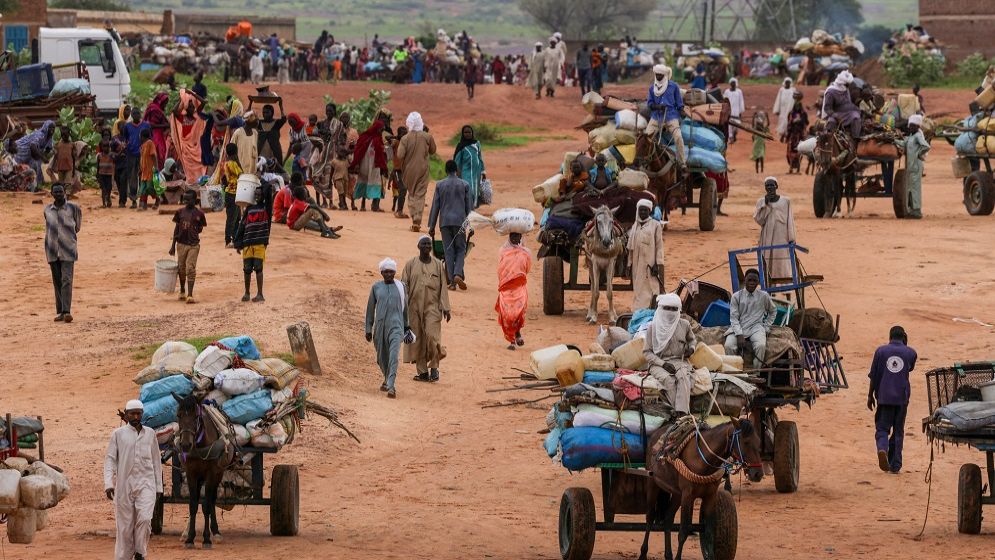
People fleeing the violence in West Darfur cross the border into Adre, Chad. File Photo: REUTERS
The cost of sending some aid to Sudan – the world's largest
displacement crisis – has more than doubled due to the Iran war, as shipping
disruption pushes up costs and delays the delivery of relief, the UN refugee
agency said on Friday.
Heightened insecurity around key Gulf shipping routes,
including the Strait of Hormuz, as well as congestion at ports, rising fuel
prices and higher insurance premiums have all hampered the delivery of aid,
particularly in Africa, the agency said.
Ships with aid that previously passed from Dubai through the
Strait of Hormuz are being replaced by ships coming from Europe around the Cape
of Good Hope, adding up to 25 days to delivery times, UNHCR spokesperson
Carlotta Wolf told reporters in Geneva.
"People in dire need are receiving things that are
ready later than what's needed," she said.
Transport costs for moving shipments of relief items from
Dubai to Sudan and to neighbouring Chad have more than doubled, rising from
$927,000 to $1.87 million, Wolf said. The UN routinely refers to the
humanitarian crisis caused by the war in Sudan as the world's largest.
Increased reliance on overland routes
The Dubai hub hosts UNHCR's biggest global stockpile of
relief items. It is one of seven stockpiles around the world, with others in
Copenhagen, Nairobi, Douala, Accra, Panama City and Termez.
Beyond the disruption to shipping in the Strait of Hormuz
since the US and Israel launched their war against Iran on February 28,
congestion at major ports, including Jeddah in Saudi Arabia and Mersin in
Turkey, along with sharply higher war risk insurance premiums – estimated at
between 0.5% and 1.5% of cargo value for Gulf transits – is adding further
pressure, Wolf said.
Increased reliance on overland routes is also fuelling truck
shortages and higher transport costs, she added.
In Nairobi, Kenya, fuel prices have risen by around 15%,
triggering delays and reducing the availability of trucks for shipments to
Ethiopia, the Democratic Republic of the Congo and South Sudan, the agency
said.
The disruptions come as UNHCR faces severe funding
constraints following global donor cuts, with its $8.5 billion appeal to assist
135 million refugees and displaced people only 23% funded.
"Every dollar that is spent additionally on
transportation is $1 less that we can provide to people forcibly on the ground,
or less people that we can support," Wolf said.
The UNHCR also warned that rising fuel prices and fertiliser
shortages were driving up food costs, exacerbating hardship for people in need.