


 For all latest news, follow the Daily Sun's Google News channel.


Remembering Death: What every believer should do
Daily Sun Report, Dhaka
Published: 15 Sep 2026, 08:56 AM
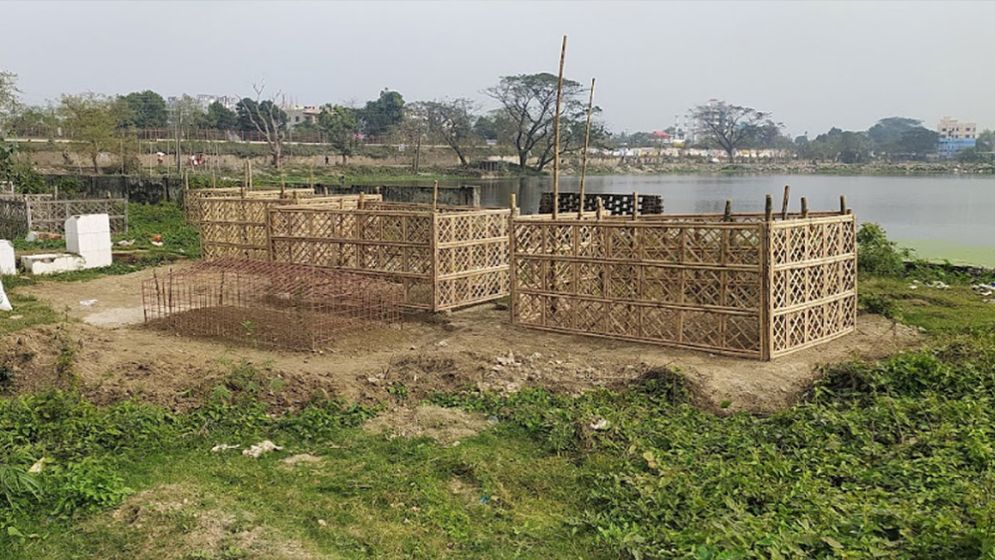
Photo : Collected
Death is an undeniable reality from which no one can escape. Wealth, power, fame or social status cannot prevent it.
Almighty Allah says, “Every soul will taste death, and you will only receive your full reward on the Day of Resurrection.” (Surah Al Imran, 3:185)
Therefore, we must prepare for the Hereafter before death arrives. Yet people often become so absorbed in worldly affairs that they behave as though this life were their final destination.
To guard against such heedlessness, believers are encouraged to remember death regularly. Remembering death has several important benefits.
It keeps people away from sin
One of the major reasons people fall into sin is that they forget death. Although everyone knows that life will eventually end, this reality often has little influence on everyday decisions. As a result, people may take forbidden acts lightly when driven by their desires.
Death, however, brings all worldly plans to an end and places a person before Allah for accountability.
Remembering death removes heedlessness and encourages people to reflect on their deeds. The awareness that even a forbidden glance, a lie or an injustice towards another person will not escape accountability makes a believer more cautious.
The Prophet Muhammad (Sallallahu Alaihi Wasallam) said, “Remember death frequently, which destroys pleasures.” (Tirmidhi, Hadith 2307)
Thinking about death reminds people that they will be accountable in the Hereafter. It also encourages them to avoid sin even when they are alone. At the same time, it removes arrogance, because the rich and the poor, the powerful and the weak, all face the same ultimate destination.
It turns people towards the Hereafter
Remembering death teaches people to value their time. Instead of wasting it on unnecessary pursuits, they become more inclined towards good deeds.
The Prophet Muhammad (Sallallahu Alaihi Wasallam) said, “Value five things before five others: your youth before your old age, your health before your illness, your wealth before your poverty, your free time before your busyness and your life before your death.” (Al-Mustadrak alaa al-Sahihain, Hadith 7846)
Death reminds us that we may be called back to Allah at any moment. Therefore, we may not get another opportunity to do good later. There is no substitute for being diligent in prayer and fasting, seeking forgiveness, giving charity and fulfilling the rights of others.
The Prophet Muhammad (Sallallahu Alaihi Wasallam) said, “When a person dies, his deeds come to an end except for three: ongoing charity, beneficial knowledge and a righteous child who prays for him.” (Muslim, Hadith 1631)
It encourages self-reflection
Remembering death encourages people to review their deeds and work towards self-purification. It should not lead to despair; rather, it should motivate believers to prepare for the Hereafter while maintaining hope in Allah’s mercy.
Allah says, “Whoever is kept away from Hellfire and admitted into Paradise has truly succeeded.” (Surah Al Imran, 3:185)
It motivates people to prepare for death
A believer’s life should not be limited to plans for the future; preparation for death should also remain in mind. No one knows when death will arrive.
The Prophet Muhammad (Sallallahu Alaihi Wasallam) said, “O Tariq! Prepare for death before it comes.” (Al-Mustadrak alaa al-Sahihain, Hadith 8949)
Abdullah ibn Umar (RA) gave an important piece of advice: “When evening comes, do not wait for the morning, and when morning comes, do not wait for the evening. Make use of your health before illness and take provisions from your life for your death.” (Bukhari, Hadith 6416)
Hasan ibn Ali al-Fayyumi (RA) said that every passing moment in a person’s life could be the moment of death, and every breath could be the last breath of life. (Fathul Kabir al-Mujib ala al-Targhib wat-Tarhib, 4/708)
Therefore, every believer should remember death frequently and prepare for the Hereafter.