


 For all latest news, follow the Daily Sun's Google News channel.


A heartfelt appeal to madrasa authorities
Daily Sun Report, Dhaka
Published: 31 Jul 2026, 10:51 AM
The role of Qawmi madrasas in shaping the religious, social and cultural consciousness of South Asia is undeniable. For generations, this system of education has spread the light of religious learning and moral values among ordinary people in this region, while contributing to the development of honest, principled and exemplary citizens. In Bangladesh’s socio-economic context, Qawmi madrasas are not merely a collection of educational institutions; they also serve as one of the country's most significant social safety nets for underprivileged and marginalised communities.
Without any government grants or budgetary support, these institutions are sustained entirely through voluntary public donations. Through lillah boarding facilities and orphanages, they assume full responsibility for the food, clothing, accommodation and medical care of millions of orphans, impoverished and vulnerable children and young people. In doing so, they relieve the state of a substantial social and economic burden.
In recent years, reports of physical and sexual abuse of children have emerged. From time to time, incidents of inhumane treatment, corporal punishment, and the highly reprehensible and unacceptable crime of sexual abuse have occurred in residential madrasas across different parts of the country.
Islamic Sharia strictly instructs believers to treat children with kindness and compassion. Unlawful sexual conduct and homosexuality are regarded in Islam as grave sins and offences warranting severe punishment. Therefore, it is both deeply alarming and shameful that certain so-called teachers have engaged in conduct that is contrary to both Islamic teachings and moral values.
It is therefore imperative that the country's leading Islamic scholars take practical and effective measures to preserve the reputation of this traditional education system, maintain public confidence, and ensure a safe future for vulnerable children.
At the same time, it must also be acknowledged that madrasa-educated individuals are human beings. They are not infallible like angels. They too are subject to human desires and instincts. Like members of every other segment of society, some among them become involved in criminal activities. Those found guilty should receive exemplary punishment commensurate with the gravity of their offences.
However, another dimension of this crisis is the existence of deep institutional bias and one-sided negative propaganda. Whenever adverse news involves someone wearing Islamic attire, certain quarters often exaggerate the facts, blending truth with falsehood to give the incident disproportionate publicity. There are also attempts to attribute the crimes of individuals to an entire community. Conversely, positive developments concerning madrasas rarely receive comparable attention. Furthermore, there have been numerous instances in which innocent Islamic scholars and imams have allegedly been falsely implicated due to personal or political vendettas. One recent example involved a maktab teacher in Feni, who was subsequently proven entirely innocent through DNA testing, while the actual perpetrator was identified.
On many occasions, old cases that have long been settled are also revived and widely circulated. Nevertheless, it must be recognised that not every report is false. Therefore, the existing problems within the madrasa education system cannot be denied under the pretext of media exaggeration or conspiracy.
If we fail to speak out now against this small number of so-called teachers and do not embark upon a process of serious self-reform, public confidence will inevitably decline. This will damage the reputation of madrasa education and have wider adverse consequences for the country's overall system of Islamic education.
In the interest of safeguarding these enduring institutions of Islamic learning, I respectfully present the following proposals to the country's senior Islamic scholars:
1. Establishment of a Central Investigation Committee
The highest authority of Al-Haiatul Ulya Lil-Jamiatil Qawmia Bangladesh should establish an independent investigation committee comprising senior Islamic scholars, legal experts and psychologists. Whenever allegations of serious physical or sexual abuse arise in any institution, the committee should promptly conduct an impartial on-site investigation. If preliminary evidence substantiates the allegations, it should recommend institutional disciplinary measures and, where appropriate, refer the accused to the relevant state law enforcement agencies. A central blacklist containing the names and identities of convicted offenders should also be maintained to prevent them from obtaining employment in any madrasa in the country. Conversely, if allegations are found to be false, the committee should publicly announce the findings through a press conference, thereby ensuring that the guilty are punished while the innocent are cleared of false accusations. Such measures would strengthen the credibility of the madrasa education system.
2. Establishment of a Complaints Cell
Al-Haiatul Ulya should establish a dedicated complaints cell through which victims can report allegations via a confidential hotline. The identity and information of complainants must be protected with the utmost confidentiality. The cell should provide psychological support to victims and their families, submit reports to the central investigation committee, and recommend appropriate action.
3. Institutional and Infrastructure Reforms
(a) CCTV surveillance and monitoring: Classrooms, corridors and, in particular, the Nurani, Hifz and residential sections of madrasas should be fully covered by CCTV cameras with continuous monitoring.
(b) Discouraging residential enrolment below a certain age: Young children should, wherever possible, receive education as day students. Separation from parental care at an early age can leave children psychologically vulnerable and increase their exposure to abuse. Therefore, children should remain under family supervision until they reach an appropriate age while attending madrasa as non-residential students. Alternative arrangements may be made for orphans and homeless children.
(c) Reforming accommodation arrangements: In residential madrasas, beds should not be placed immediately adjacent to one another. A minimum distance of approximately one arm's length should be maintained between beds. Institutions with sufficient financial capacity should gradually introduce individual beds or, at the very least, inexpensive wooden cots.
(d) Prohibiting personal services from students: Teachers should be strictly prohibited from requiring students to perform any form of personal service. Violations should result in severe disciplinary action.
4. Improving the Working Environment for Teachers and Staff
(a) Code of conduct: A clear and stringent code of conduct governing teachers' and staff members' interactions with students should be developed and rigorously enforced.
(b) Teacher training: Regular professional and behavioural training should be provided, particularly in child psychology, compassionate child-centred teaching consistent with Islamic principles, and child protection laws and policies, enabling teachers to educate with wisdom and patience.
(c) Marital status and maturity: In addition to educational and moral qualifications, preference should be given to married and mature individuals when recruiting teachers. Experienced and responsible adults should supervise Nurani, Hifz and primary-level students rather than immature young individuals.
(d) Family accommodation and leave: Madrasa authorities should develop long-term plans to provide family accommodation for teachers where possible and ensure regular, reasonable leave so that their psychological and personal well-being can be maintained.
5. Policy for Female Educational Institutions
(a) The internal administrative and academic structure of girls' madrasas should, as far as practicable, be managed entirely by female staff. Male teachers and staff should not be appointed, except for elderly male security guards at the main entrance and personnel responsible for external maintenance. All communication with guardians and visitors should be conducted through female staff.
(b) Girls' madrasas should, wherever possible, operate as non-residential institutions. Where residential facilities are necessary, strict regulations must be enforced, and under no circumstances should male teachers or staff (other than security guards) be employed.
6. Bringing Unregulated Educational Institutions Under Proper Regulation
Across the country, a growing number of poorly planned and substandard private madrasas have emerged, undermining the overall quality and credibility of madrasa education. However, similar challenges exist within the general education sector, where low-quality kindergarten-type institutions are also proliferating. Therefore, the establishment of all new educational institutions should be subject to proper planning, quality assurance and effective oversight in consultation with the relevant stakeholders. Such measures would help ensure that these institutions become more organised, effective and capable of delivering quality education.
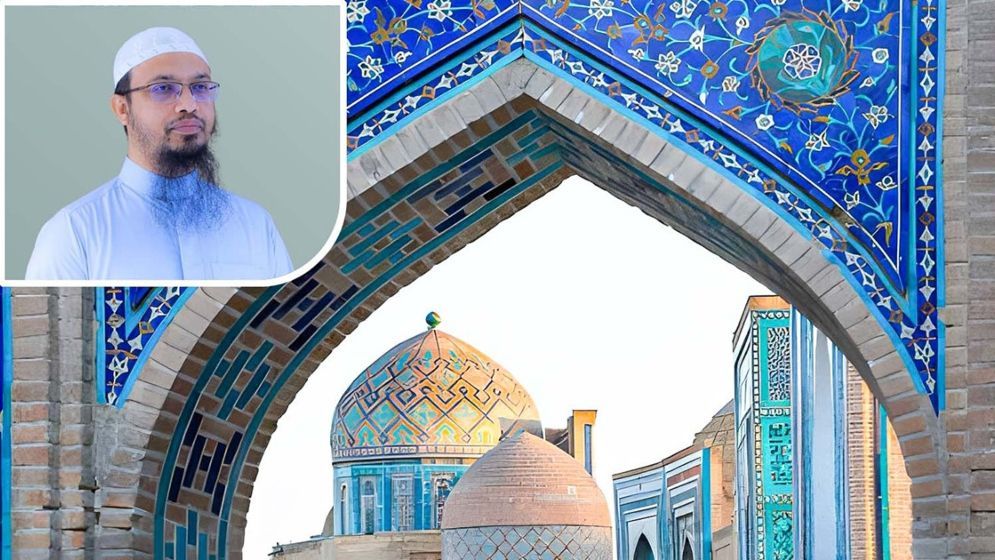
Author: Chairman, As-Sunnah Foundation