


 For all latest news, follow the Daily Sun's Google News channel.


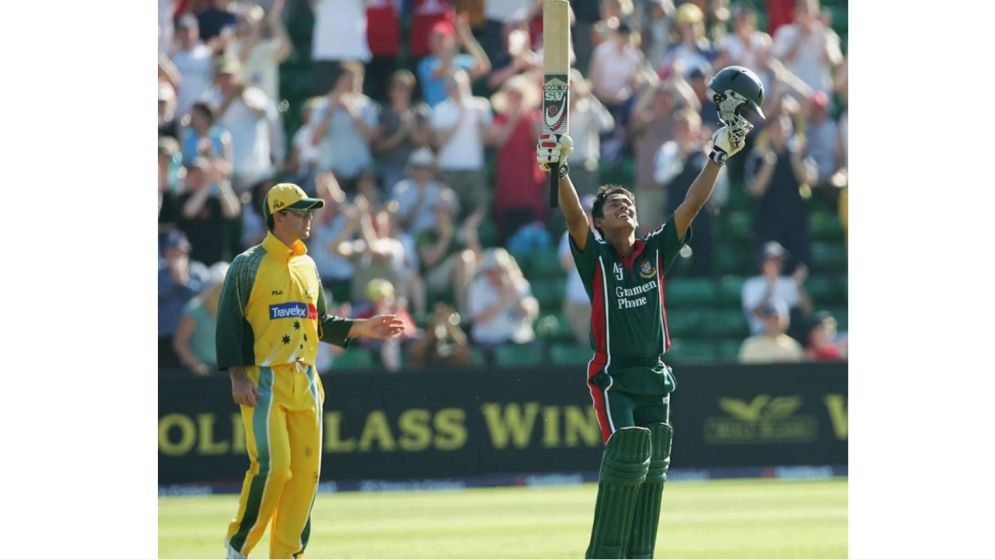
Collected Photo
When Mohammad Ashraful was boarding the flight to Harare, did he think for once that after all that has panned out in his life, especially in his cricketing career, the very African soil from where he bid farewell to his international career, will call him back again?
Mohammad Ashraful, the first superstar of Bangladesh cricket, has seen everything in his career which promised to be something that was going to put Bangladesh cricket on the map solely because of him.
South Africa, India, England or Australia – you name it, he was already on the podium with a loose leash against them, scoring big with a promise to not look back.
Fate, however, has a surprising way of pulling the strings.
The youngest Test centurion in history was in for an upsetting chapter of his life after playing his last international series in Zimbabwe, dating back to 2013.
In 2014, Ashraful was slapped with an eight-year ban by the Bangladesh Cricket Board for his involvement in match-fixing during the 2013 Bangladesh Premier League.
A generation, who grew up watching cricket because of Ashraful, was still in shock when Ashraful accepted his wrongdoings and apologised publicly.
The whole cricket community as well, much in dismay, put their hands up in shock after witnessing the “unthinkable” unfolding.
It seemed as if the “Prince” famed former captain of the national side was on the verge of disappearing into the void.
But then the cricket god slowly whispered, “Hold on!” The eight-year-ban was reduced to five years.
When a fanboy hopes against all odds, Ashraful answers. He scripted his return to domestic circuit with the hope of reinventing himself.
With multiple centuries in his second coming, even fans that were upset slowly started to roll their eyes back at him.
Years pass, fans stick through, while Ashraful’s quest for a comeback continued.
Over the years, stars drift away, and so does the relevance for a sportsperson. Ashraful was above that.
The player, who once defined “aura” before it was a trend, had to give something back to the game which gave him so much.
It almost felt like Ashraful was listening.
An article from ESPNCricinfo on 5 November, 2025 read “Ashraful named Bangladesh’s batting coach.” As a fanboy, the rejoice was imminent.
Fans who grew up idolising him, understand the turmoil a childhood hero had to go through. A whole community has lived it with him.
Hate, banter, criticism soon turned to applause, admiration and a long-lost realisation that superstars are indeed meant to come back.
Ashraful’s return to Zimbabwe after 13 years was therefore, destined.
Legend has it; a saga is not stamped to stone without a superstar who is proven guilty of offence. It is the grandeur of comeback that establishes the character.
We all are a part of Ashraful’s story. The resurgence, hence, felt very personal.
After seven long home series, Ashraful flies to Zimbabwe for his first international assignment as a batting coach.
The boy who saw Ashraful score a century against a commanding Australian team in 2005, followed by a T20-esque 94 against hosts England in the very next match, is now a man who relishes his opportunity to see his not-to-be-forgotten hero back to serve Bangladesh cricket again.