




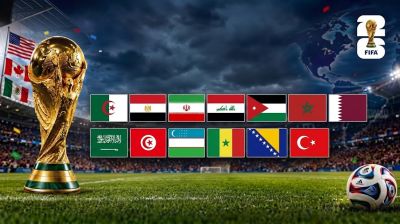
 For all latest news, follow the Daily Sun's Google News channel.


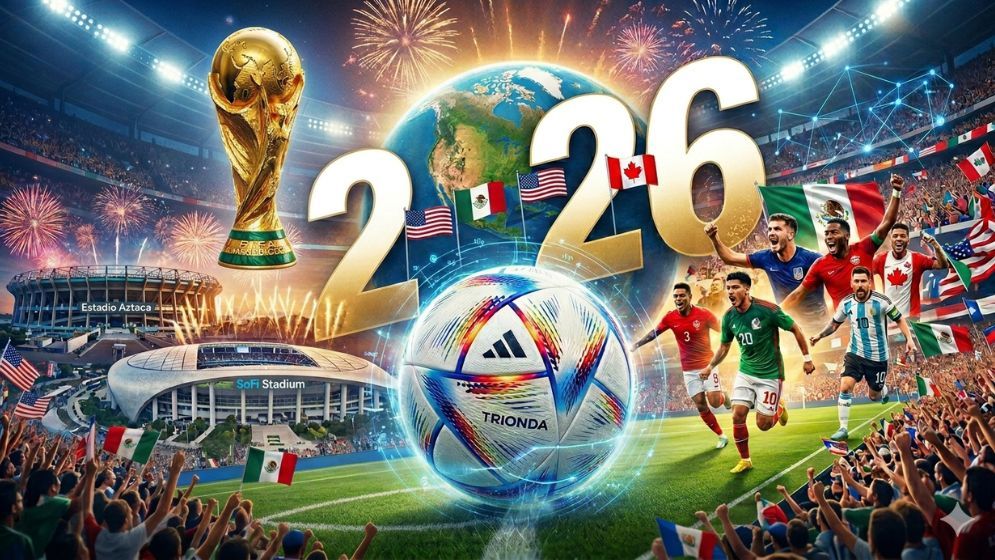
The 2026 FIFA World Cup enters a bold new era in North America with an expanded 48-team format, historic stadium milestones, and the cutting-edge, tech-driven Trionda match ball. AI-generated photo
The 2026 FIFA World Cup marks a significant departure from previous editions, introducing several changes that are expected to reshape the tournament both on and off the pitch. The competition is set to become the most distinctive tournament in football history, thanks to its expanded format, new host arrangements and cutting-edge technology.
Here are the key features that set it apart:
1. First-ever World Cup hosted by three countries
For the first time in the history of the men’s FIFA World Cup, the tournament will be jointly hosted by three nations: the United States, Canada and Mexico.
While the 2002 Football World Cup was co-hosted by Japan and South Korea, 2026 marks the first occasion on which three countries have come together to stage the competition. Matches will be played across 16 host cities throughout North America.
2. Record number of teams and matches
The 2026 edition will be the largest World Cup ever held in terms of both participating nations and fixtures.
• Expanded teams: After seven consecutive tournaments featuring 32 teams between 1998 and 2022, the World Cup will now include 48 national teams.
• Expanded matches: The total number of games will rise from 64 to a record 104.
• Longest tournament: Lasting 39 days, it will be the longest World Cup in history.
The expansion is expected to provide more nations with an opportunity to compete on football's biggest stage while giving supporters more matches than ever before.
3. New tournament format and the introduction of the Round of 32
To accommodate the larger field, FIFA has introduced a significantly revised format. The 48 teams will be divided into 12 groups of four teams. The top two teams from each group will qualify automatically for the knockout stage. They will be joined by the eight best third-placed teams. For the first time, the knockout phase will begin with a Round of 32. As a result, the eventual champions will need to win eight matches instead of seven to lift the trophy.
4. Smart match ball technology
One of the tournament’s most significant technological innovations comes from official ball manufacturer Adidas. The official match ball, known as Trionda, is equipped with a 500Hz motion sensor chip embedded inside the ball. Every touch and kick generates precise data that can be transmitted directly to the Video Assistant Referee (VAR) system in real time.
Like many modern electronic devices, the sensor requires charging before matches. A full charge reportedly provides approximately six hours of operation.
5. New football regulations
The International Football Association Board (IFAB) has introduced several measures aimed at reducing time-wasting and improving player conduct.
• Stricter punishments for offensive behaviour:
Players who deliberately cover their mouths with a hand or shirt while directing racist or offensive remarks towards opponents or match officials could face a straight red card.
• Crackdown on time-wasting:
A substituted player taking more than 10 seconds to leave the pitch may result in the incoming player being required to wait one minute before entering. Referees will apply stricter countdown procedures for throw-ins and goal kicks. Failure to comply could result in possession being awarded to the opposition or, in some circumstances, a corner kick.
• Mandatory hydration breaks:
Keeping the health of players in mind, matches will include a hydration break of approximately three minutes in each half, regardless of weather conditions, around the 22-minute mark.
6. Historic stadium milestones and enhanced entertainment
Mexico City's iconic Estadio Azteca is set to make history by becoming the first stadium ever to host opening matches at three different men's World Cups (1970, 1986 and 2026).
Meanwhile, FIFA is reportedly planning a major entertainment spectacle inspired by the National Football League’s (NFL) Super Bowl tradition. The Football World Cup final could feature a high-profile half-time musical performance, bringing a new dimension to football’s showpiece event.
A new era for the World Cup
The FIFA World Cup 2026 represents a significant evolution of the tournament. With more teams, more matches, a new competition structure, advanced technology and enhanced entertainment, it promises to be one of the most ambitious and transformative editions ever staged, offering a new experience for players, organisers and supporters alike.
As football enters a new era, the 2026 Football World Cup is poised not only to generate unprecedented excitement among fans but also to make the game faster, fairer and more technology-driven than ever before.
The analysis is written by Daily Sun journalist Md Amirul Islam