



 For all latest news, follow the Daily Sun's Google News channel.



A building begins long before its foundation is laid. It starts with a financial plan, a piece of land, an architectural vision and a series of decisions that ultimately determine the strength, comfort, functionality and long-term value of the finished property.
Behind every home, office, apartment complex and commercial development is a vast ecosystem of industries and professionals. Housing finance makes ownership and construction possible. Cement and steel provide the structural foundation. Tiles, ceramics, paints, glass, aluminium and sanitaryware shape the finished environment.
Architects and engineers transform requirements into functional designs, while technology is changing the way projects are planned, coordinated and delivered. Real estate brings these elements together and connects completed properties with the market.
In Bangladesh, these once-distinct segments are becoming increasingly interconnected. Urbanisation, changing lifestyles, rising expectations and growing awareness of quality are reshaping the construction sector.
The emphasis is gradually shifting beyond simply building more to building better, through improved quality, efficiency, design, technology and long-term value.
For millions of Bangladeshi families, owning a home remains an important long-term aspiration. Yet the combined cost of land, construction, labour and finishing materials can make homeownership difficult to achieve through personal savings alone.
This is where housing finance can play a vital role.
A well-structured home loan can enable eligible customers to purchase a completed property, construct a home on their own land or undertake approved renovation and extension work without having to arrange the entire cost upfront.
However, access to finance is only one part of the equation. The financing process itself must be transparent, accessible and manageable.
Potential borrowers should be able to understand their approximate borrowing capacity before making a major financial commitment.
Clear information about interest rates, fees, repayment periods and eligibility, supported by digital tools and transparent repayment calculations, can help customers make better-informed decisions.
A simple documentation process can also reduce unnecessary complexity. Digital application facilities and application-tracking systems can minimise repeated visits and provide customers with greater visibility throughout the financing process.
Repayment flexibility is equally important. A longer tenure may reduce the monthly instalment, while a shorter tenure can reduce the overall interest burden. Customers should have the information and flexibility necessary to choose a financing structure appropriate to their income and long-term financial capacity.
At the same time, easier access to housing finance must be accompanied by responsible lending. Borrowers need a realistic assessment of their repayment ability, while lenders must ensure that financing does not place customers under unsustainable financial pressure.
The Structural Backbone
No matter how advanced construction technology becomes, cement and steel will remain fundamental to the industry.
Cement is essential to foundations, columns, beams, slabs and other structural components, while steel reinforcement provides concrete structures with much of their strength, stability and resilience. Demand for these materials remains closely linked to residential construction, commercial development and infrastructure activity.
For homeowners and developers alike, however, material selection should never be based on price alone. Quality, specifications and suitability for the intended application are critical. Proper storage, mixing, reinforcement and construction practices are equally important.
This is where qualified engineers, skilled workers and experienced contractors play a vital role. The strength and durability of a building depend not only on the materials purchased but also on whether those materials are correctly specified, handled and installed.
From Function to Finishing
Once the structural work is complete, finishing materials begin to shape the character and experience of a property.
Tiles and ceramics have evolved from basic construction products into important elements of contemporary interior design. Homes, offices, hotels, restaurants and commercial spaces can now be defined by a wide range of colours, textures, sizes and patterns.
Yet visual appeal is only one consideration. Durability, water resistance, ease of maintenance and suitability for specific spaces are equally important.
Paint serves a similar dual purpose. It contributes to the visual identity of a property while helping to protect surfaces from everyday wear and environmental exposure.
Selecting the appropriate products for interior and exterior applications can have a meaningful impact on both appearance and longevity.
Glass, Aluminium and Contemporary Design
The changing face of architecture has brought glass and aluminium to the forefront of modern construction.
Large windows and glass elements can bring natural light, openness and visual connectivity into a space, while aluminium is widely used for doors, windows, façades and other architectural applications.
However, contemporary design must be considered alongside performance. Heat, weather exposure, safety, insulation, durability and installation quality all need to be taken into account when selecting and using these materials.
Their increasing use reflects a broader transformation in construction – one in which architecture, engineering, aesthetics and performance increasingly converge.
The Evolution of the Modern Bathroom
Sanitaryware, too, has moved well beyond basic utility.
As homeowners and property buyers place greater emphasis on comfort, hygiene and interior design, bathrooms are increasingly being treated as an integral part of the overall living environment. Product choices now involve considerations of design, durability, water efficiency, hygiene and ease of maintenance.
For developers, the quality and appearance of sanitaryware can influence the overall perception of a property. For homeowners, however, the product itself is only part of the equation. Proper plumbing, installation and long-term maintenance are equally important.
Technology Is Changing Construction
The construction industry is entering an increasingly technology-driven era.
Digital design platforms, project-management systems, modern surveying tools and computer-based modelling are helping professionals plan, coordinate and monitor projects with greater precision.
Technology can help identify design conflicts before construction begins, improve communication between architects and engineers, monitor progress and provide greater control over materials, resources and timelines.
In an industry involving multiple contractors, suppliers, consultants and specialists, better coordination can contribute to fewer errors, reduced delays and improved cost management.
This transformation is not limited to large-scale developments. As digital tools become more accessible, smaller projects and individual professionals are also finding practical ways to incorporate technology into design, planning and construction.
Building with Greater Environmental Responsibility
The environmental impact of buildings is also becoming an increasingly important consideration.
Sustainable construction extends far beyond the selection of a particular material. Building orientation, natural lighting, ventilation, insulation, water efficiency, energy consumption, waste management and material durability all influence the long-term environmental and economic performance of a property.
For Bangladesh, where urban areas continue to expand and demand for housing remains significant, the efficient use of resources will become increasingly important.
A well-designed building that consumes less energy, uses water more efficiently and requires fewer repairs can create long-term benefits for both occupants and the environment.
Where Architecture Brings Everything Together
Architecture is where many of these individual elements ultimately come together.
Good architecture is not simply about creating an attractive façade. It is about making the most effective use of available space while considering natural light, ventilation, movement, safety, comfort and future needs.
For homeowners, thoughtful planning at the design stage can reduce the need for expensive modifications later. For developers, functional and well-considered design can improve usability, customer satisfaction and the long-term appeal of a property.
Close coordination among architects, engineers, contractors and material suppliers is therefore essential. A design must ultimately work not only on paper but also within the practical realities of construction.
Real Estate: Where the Elements Converge
At the end of this interconnected chain comes real estate, where finance, construction, design and consumer demand converge.
A developer requires land, financing, professional expertise, materials and construction services. A buyer may require housing finance to purchase a completed property. Once delivered, the quality of construction, design, location, maintenance requirements, energy efficiency and overall usability can all influence a property’s long-term value.
For buyers, the lowest-priced property is not necessarily the most economical choice over time.
Construction quality, material standards, energy consumption, maintenance costs, functional design and the surrounding environment can have a lasting impact on both the ownership experience and the value of a property.
Building the Next Chapter
The importance of the construction sector extends far beyond the buildings themselves.
A home loan can create demand for a property. That property generates demand for cement and steel.
Finishing work creates opportunities for tiles, ceramics, paints, glass, aluminium and sanitaryware. Architecture, engineering, technology and construction services provide the expertise needed to bring these elements together.
The sector therefore supports a wide network of manufacturers, suppliers, developers, architects, engineers, contractors, skilled workers and service providers.
Its next phase should not be defined simply by how many structures Bangladesh builds, but by the quality of those structures, the efficiency with which they are delivered, their environmental performance and the extent to which well-planned housing remains accessible to the people who need it.
From the first financing decision to the final finishing touch, every stage matters.
As Bangladesh continues to urbanise and its cities evolve, the construction industry has an opportunity to move towards a model built on stronger materials, smarter planning, responsible finance, modern technology, thoughtful architecture and sustainable design.
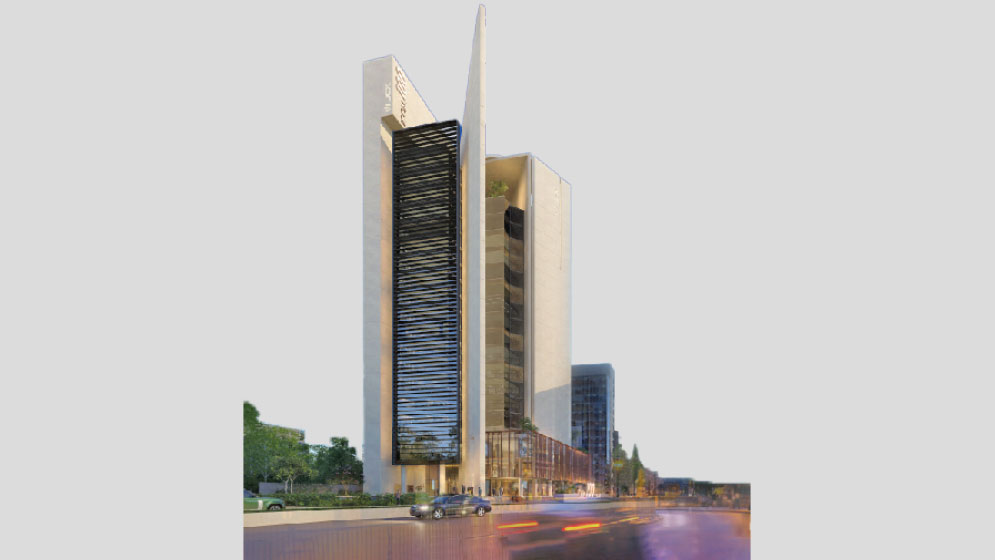
For developers such as JCX Real Estate, this evolving landscape represents both a responsibility and an opportunity – to contribute to developments that respond to changing customer needs while maintaining a strong focus on quality, functionality, design and long-term value.
Ultimately, the measure of progress should not be limited to how much we build. It should be reflected in how well we build: creating buildings that are safer, stronger, more functional, more durable, environmentally responsible and capable of delivering lasting value to the people who live and work in them.
Bangladesh’s construction sector is entering a new era. The future will belong to those who understand that a building is more than bricks, steel and concrete, it is a long-term investment in people, communities and the cities they call home.
_________________________________________________________
The author is Managing Director of JCX Developments Ltd.
Read More