



 For all latest news, follow the Daily Sun's Google News channel.


The International Day of the World’s Indigenous Peoples, observed annually on 9 August, is a reminder to recognise indigenous peoples’ rights, knowledge and contributions. It emphasises the necessity of ensuring that development reaches those furthest behind. This year, the day will be observed under the significant theme: “Honouring Indigenous Midwives: Safeguarding Life and Well-being.” This theme speaks directly to Bangladesh’s unfinished health agenda. For Bangladesh, it offers a timely opportunity to ask whether every indigenous woman, regardless of where she lives, truly has access to quality maternal healthcare, the services needed for a safe pregnancy and dignified childbirth.
It should be acknowledged here that Bangladesh has made remarkable achievements in maternal healthcare. The maternal mortality ratio has declined from 523 deaths per 100,000 live births in 2000 to 115 in 2023, one of the fastest improvements among developing countries. However, national averages often conceal deep inequalities. Only around 42 per cent of births are attended by a skilled health provider, while nearly four in every ten deliveries still take place at home. For indigenous women, particularly living in the Chattogram Hill Tracts and other remote regions, the gap is even wider. Various reports among Chakma, Marma and Tripura communities indicate antenatal care attendance far below that of the general population, with many women relying on untrained traditional birth attendants simply because a trained midwife or clinic is out of reach. Difficult terrain, scarce transport, shortages of qualified staff, language barriers and cultural distance -- all these compound the problem.
This year’s global theme is a reminder that health equity is not sameness of treatment; it is targeted investment where disadvantage is greatest, paired with genuine respect for indigenous knowledge and community leadership. Countries such as Australia, Canada and New Zealand have shown that outcomes improve when indigenous communities become partners in designing and delivering care, through indigenous health workers, culturally responsive services and durable institutional trust. Bangladesh can adapt these lessons to its own geography and culture.
The most promising lever remains the professional midwifery workforce. Since the cadre was formally established, Bangladesh has trained over 7,200 licensed diploma midwives, of whom about 2,557 now serve in government facilities. In June this year, at the International Confederation of Midwives’ Triennial Congress in Lisbon, Bangladesh made a historic pledge: to create and deploy 25,000 midwives across the public health system by 2030, the largest such commitment in the country’s history. If realised, it could bring the Sustainable Development Goal (SDG) target of fewer than 70 maternal deaths per 100,000 live births within reach. Deployment must now deliberately prioritise indigenous, coastal, haor, char and other underserved areas, where shortages remain most acute. Publicly available information does not indicate how many trained midwives are currently serving indigenous communities. Proper survey and research in this respect would help policymakers identify service gaps and ensure that resources reach the women who need them most.
Equity also demands greater indigenous representation within the health workforce itself. Encouraging indigenous young women into midwifery and nursing careers improves communication, builds community trust and ensures maternal care respects local languages and customs. Preserving cultural identity and improving health outcomes are complementary goals, not competing ones.
Digital tools can extend this reach. Telemedicine, electronic health records, mobile health applications and digital referral systems can connect pregnant women in remote villages with district specialists and help community health workers flag high-risk pregnancies early. But, technology should reinforce, not substitute for, the trusted relationship between a skilled midwife and the community she serves.
Institutional collaboration will decide whether these gains hold. The ministry of health, local government bodies, universities, nursing and midwifery institutes, professional councils, indigenous organisations, civil society and development partners must jointly strengthen culturally responsive midwifery education, implementation research and community engagement. Partnerships with international institutions experienced in indigenous health can support curriculum development, faculty exchange and evidence-based policymaking.
Financing has moved in the right direction, although it is not yet sufficient. The FY2026-27 national budget allocates Tk 69,409 crore, about Tk 694 billion, to the health sector, equivalent to roughly 1.01 per cent of GDP and nearly double the previous year's revised allocation, the largest health budget in the country's history. Within this expanded envelope, a modest, dedicated allocation, even a few billion taka ring-fenced over the next five years, could meaningfully expand midwifery education, strengthen deployment in underserved areas and support culturally responsive services for indigenous communities. Few investments would deliver comparably strong returns in healthier mothers and safer births.
This agenda sits squarely within the Sustainable Development Goals: SDG 3’s target of reducing maternal mortality below 70 per 100,000 live births by 2030, SDG 5's commitment to gender equality, SDG 10's call to reduce inequalities and SDG 17's emphasis on partnership. As Bangladesh marks this year's observance, the greatest tribute it can pay indigenous communities is not only to celebrate their heritage but to invest in their future. Ensuring every indigenous mother has access to a skilled midwife and respectful care is both a moral responsibility and sound development policy.
Bangladesh has demonstrated that determined public health reforms can save lives. The next frontier is ensuring these gains reach every indigenous family. By investing in midwives, strengthening partnerships, embracing appropriate digital tools and placing indigenous communities at the centre of health policy, Bangladesh can honour the spirit of this year’s observance while advancing the SDGs and its promise to leave no one behind.
_____________________________________
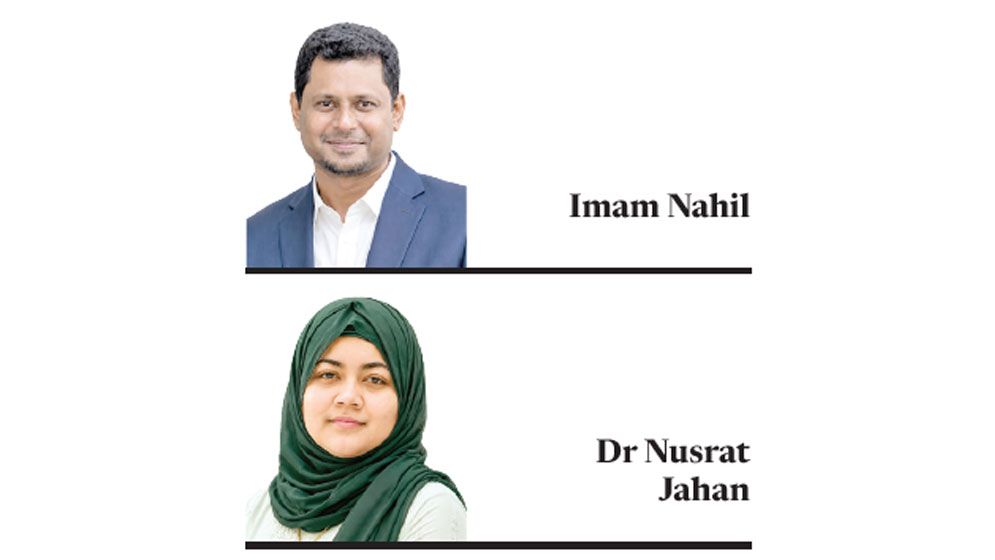
Imam Nahil is a development strategist serving at a diplomatic mission in Dhaka, while Dr Nusrat Jahan is a Bangladesh government health cadre officer and currently pursuing a master’s degree in Global Health at the University of New South Wales (UNSW), Australia. They can be reached at [email protected] and [email protected], respectively