


 For all latest news, follow the Daily Sun's Google News channel.


Nation to observe 85th death anniversary of Rabindranath Tagore today
Daily Sun Report, Dhaka
Published: 06 Aug 2026, 12:00 AM
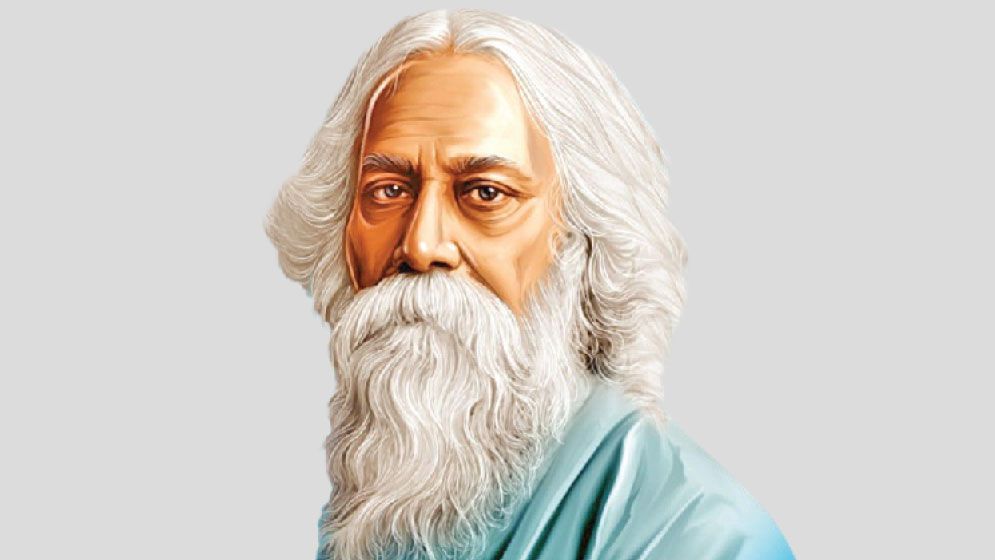
The nation is set to observe the 85th death anniversary of Nobel Laureate Rabindranath Tagore today, paying homage to the literary giant whose timeless works continue to inspire generations across the world. Fondly revered as the “Bishwakobi” (World Poet), Tagore remains one of the most influential figures in Bengali literature, music, art and philosophy.
According to the Gregorian calendar, Rabindranath died at the age of 80 on August 7 in 1941. However, his death anniversary is traditionally observed on the 22nd day of Srabon in the Bangla calendar, which falls today this year. Across Bangladesh, cultural organisations, educational institutions and government bodies have arranged a wide range of commemorative programmes to celebrate his extraordinary life and enduring legacy.
The day’s observances will include Rabindra Sangeet performances, poetry recitations, discussions, lectures, dance dramas and exhibitions highlighting Tagore’s multifaceted contributions to literature, music, education and humanism. Artists, scholars and cultural activists will reflect on the relevance of his philosophy and creative works in contemporary society.
Leading cultural organisation Chhayanaut has organised a staging of Tagore’s celebrated dance drama “Shyama” at 7:00 pm at its auditorium in Dhanmondi. The performance will feature renowned vocalists, dancers and musicians, presenting one of Tagore’s most acclaimed musical dramas that explore themes of love, sacrifice, justice and redemption.
State-run and private television channels, including Bangladesh Television, will broadcast special programmes featuring documentaries, musical performances, archival footage and discussions on Tagore’s immense contributions to Bengali culture and world literature.
Born on May 7, 1861 (25 Baishakh 1268 in the Bengali calendar) at the historic Jorasanko Thakur Bari in Kolkata, Rabindranath Tagore was the youngest of the 13 surviving children of Maharshi Debendranath Tagore and Sarada Devi. Growing up in an intellectually vibrant family, he displayed exceptional literary talent from an early age and went on to become a poet, novelist, playwright, composer, philosopher, painter and educationist.
Over a remarkable literary career spanning nearly seven decades, Tagore produced an extraordinary body of work that reshaped Bengali literature. He wrote more than 2,000 songs, creating the distinctive genre known as Rabindra Sangeet, which remains an integral part of Bengali cultural life. His literary achievements include eight novels, 84 short stories, numerous plays, essays, travelogues and thousands of poems, many of which continue to be studied and performed worldwide.
In 1921, Tagore founded Visva-Bharati University at Santiniketan with the vision of creating a centre of learning where Eastern and Western cultures could meet in harmony. His educational philosophy emphasised creativity, freedom of thought and a close relationship with nature, ideals that continue to influence modern education.
Tagore earned global recognition in 1913 when he became the first non-European to receive the Nobel Prize in Literature for the English translation of Gitanjali (Song Offerings). The award introduced Bengali literature to the international stage and established Tagore as one of the foremost literary voices of the twentieth century.
His influence transcended national boundaries. Two of his compositions were later adopted as national anthems “Amar Shonar Bangla” of Bangladesh and “Jana Gana Mana of India” making him the only poet in history whose works serve as the national anthems of two sovereign nations. His writings on humanity, freedom, nationalism, nature and universal brotherhood continue to resonate across cultures and generations.