


 For all latest news, follow the Daily Sun's Google News channel.


The office of the president is not a political reward. Rather, it is the symbol of the nation’s highest constitutional trust. Although the president’s executive powers are limited under the constitution, his moral responsibility, constitutional duties and national significance are immeasurable. The president is the symbol of the state’s continuity. He is the guardian of the constitution and one of the foremost representatives of national unity. For this reason, the person chosen for this office must be someone capable of rising above party, creed, religion and political division to earn the trust of the entire nation.
In Bangladesh’s political history, we have long witnessed intense political polarisation, constitutional crises, power struggles, and mutual distrust. Given this reality, the presidency should never be used as a reward for party loyalty. Instead, someone must be chosen who is known to the ruling party, the opposition, and the general public alike as an honest, impartial, and dignified individual.
The president's first and foremost quality must be genuine patriotism. For him, Bangladesh’s sovereignty, independence, and national interest must come before the interests of any party, individual, or foreign power. He must be someone who has worked for the country at every stage of his life and whose past conduct testifies to patriotism, integrity, and a sense of responsibility.
The president's personal and professional life must be beyond question. There should be no credible allegations against him of corruption, abuse of power, financial irregularities, human rights violations, or moral lapses. When the public sees a person in the state’s highest constitutional office, it is from his integrity that they will draw their trust in the state. A dishonest person can never uphold the dignity of the constitution.
One of the most important qualities of a president is political neutrality. Whatever party he may have been associated with in the past, after assuming the presidency, his only identity must be that he is the President of Bangladesh. He is not the spokesperson of any political party but the guardian of the constitution and the representative of the entire nation. Neutrality and fairness must be reflected in his every decision, every statement, and every constitutional act.
It is essential that the president have deep knowledge of the constitution. He must have a clear understanding of every article of the constitution, the roles of the state’s constitutional institutions, and the fundamental principles of the rule of law. When a political crisis or constitutional complication arises, he must make impartial and prudent decisions in light of the constitution. The constitution must be his sole guide.
A president must possess moral courage. When necessary, he must be able to take a firm stand in defence of the constitution and the interests of the state, disregarding political pressure, party influence, or personal requests. At the same time, he must never overstep his own constitutional boundaries. He must exercise responsibly the powers the constitution has granted him and abide faithfully by the limits it has set.
The president should have a long and accomplished career of experience. He may be a person who has made outstanding contributions in administration, the judiciary, the armed forces, diplomacy, education, research, social service, or any other important national field. Experience will help him make prudent decisions in times of crisis and enable him to build effective coordination with the state’s various institutions.
The president should have a clear understanding of international relations and the changing realities of global politics. In today’s world, economics, technology, climate change, security, regional geopolitics, and diplomacy are all deeply interconnected. Abroad, the president carries the dignity of the country as Bangladesh’s representative. His personality, wisdom, decorum, and diplomatic skill will help brighten Bangladesh’s image on the international stage.
It is extremely important that the president possess independent thought and conscience. He must not be beholden to any individual, group, political party, or foreign influence. His decisions must be entirely independent, just, and constitutional.
Humility, decorum, and humanity are essential qualities of a president. He is not a powerful figure beyond the reach of the people but a symbol of the people’s trust. Respect for ordinary people, tolerance of differing opinions, and restrained conduct will make his character all the more dignified.
Establishing national unity is one of the president's foremost duties. He must speak in a language that creates harmony rather than division. No citizen should feel isolated because of religion, ethnic identity, or political differences. Every statement of the president must carry a message that unites the nation.
The government’s responsibility in selecting the president is extremely important. If the government truly wishes to build strong democratic institutions, that mindset must be reflected in the selection of the president as well. Not party loyalty, but honesty, patriotism, morality, constitutional knowledge, administrative experience, and broad acceptability must be given the highest priority.
Where possible, an effort should be made to build broader political consensus in the process of selecting the president. The constitution may not make this mandatory, but in the national interest, the government could consider the opinions of opposition political parties, eminent constitutional experts, academics, former justices, diplomats, representatives of civil society, and other respected members of society. This would increase both the president's acceptability and the public’s trust.
Before nominating anyone for the presidency, the prospective candidate’s past life, financial transparency, moral character, professional reputation, commitment to constitutional values, and contribution to the public interest should be impartially verified. Those against whom there are allegations of corruption, abuse of power, or serious moral controversy should not be considered for this office.
The presidency should never be a tool of political compromise, a reward for party loyalty, or an honorary post after retirement. It is a constitutional trust, entrusted by the people into the hands of one individual. Therefore, in appointing someone to this office, the government is not merely choosing an individual; it is also sending an important message about the nation’s future political culture and democratic standards.
Today, Bangladesh is passing through a time when strong institutions, good governance, accountability and the establishment of the rule of law are more urgent than ever before. If a patriotic, honest, impartial, non-partisan, constitutionally committed, prudent, and broadly acceptable president can be chosen, it will not only enhance the dignity of the presidency itself; it will strengthen democracy, increase public trust in constitutional institutions, and further consolidate Bangladesh’s standing on the international stage.
The president belongs to no political party; he belongs to the whole of Bangladesh. The constitution must be his guide, justice his ideal, the people his responsibility, and Bangladesh’s sovereign interest his highest commitment. The government that selects a president with this principle in mind will not merely be filling a constitutional office; it will also be laying a stronger foundation for building a powerful, dignified, and democratic state for future generations.
_____________________________
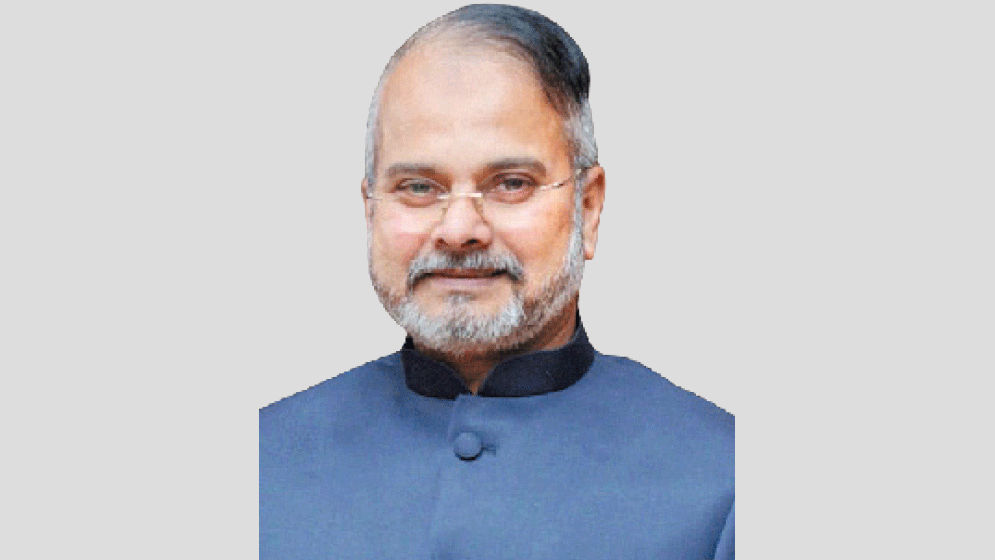
The writer is a retired Major
General, geopolitical and
security analyst. He can be
reached at [email protected]