


 For all latest news, follow the Daily Sun's Google News channel.


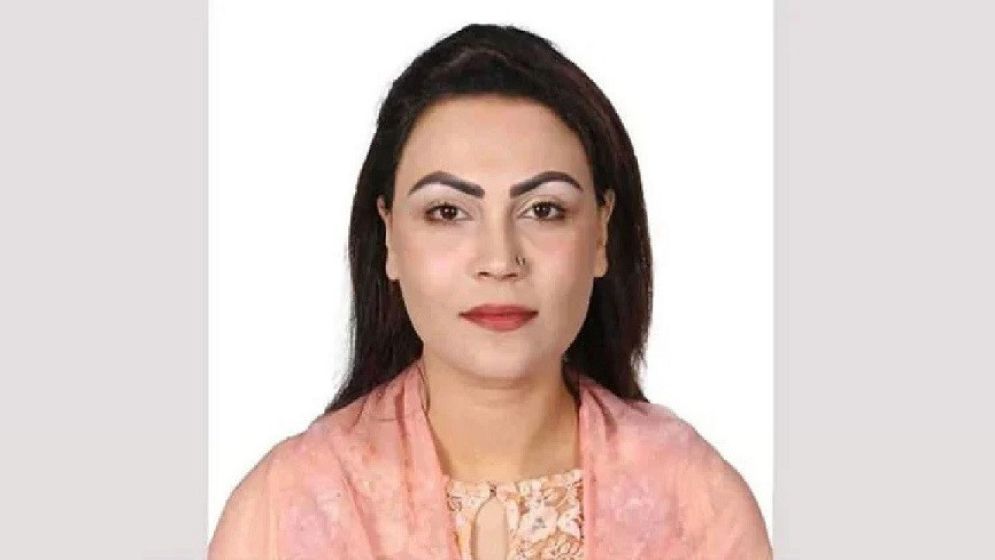
Prof Muhammad Yunus is a Nobel Peace Laureate. He served as the chief adviser of the interim government for the last year and a half. During his time in power, he told many stories about changing the fate of the country’s people and daily offered a long list of where he would lead the nation. Everyone now knows the state of the country after this year and a half under the Yunus era. I do not wish to discuss that today. But where is this patriotic messenger of peace today?
At the very beginning of the rainy season, sudden floods hit nearly half of the country, including Chattogram and the three hill districts. In the Chattogram division, torrential rains caused floods and landslides that left over a hundred people dead. Rise in river water levels, sudden floods, and mountain runoffs flooded vast areas, severely disrupting normal life and affecting millions in five districts. The government, various political parties, and businessmen have stood by the distressed people according to their means. People from all walks of life stepped forward with whatever capacity they had to support those affected by the flood. Yet, during this disaster, these helpless people could not hear even a single word of consolation from the Nobel Peace Laureate. Far from standing beside the victims, the former chief adviser did not express even a bit of sympathy for them.
This matter demands discussion for three reasons:
First, Prof Yunus’s birthplace is Chattogram; he is a son of Chattogram. He grew up and was educated here. He started his career at the University of Chittagong and began his research on microcredit in Jobra village of Chattogram. Grameen Bank was established from here, which earned him widespread international recognition. Therefore, it is only natural that he would have a special love and compassion for Chattogram and its people. For this reason, when he selectively appointed people from Chattogram to various important positions after becoming the chief adviser, none of us raised an objection. Regional affection is natural for everyone, no matter how global a player he might be. As chief adviser, he visited Chattogram multiple times and addressed the people there as his own. So, when the most severe flood in recent times struck Chattogram, we expected him to rush there, stand beside the affected people, and inspire the helpless with his magical speeches. Hearing his sweet words, people who lost everything in the flood might have forgotten their pain. But what happened? He did not go to Chattogram. Instead, he remained busy with new projects at the Yunus Centre in Dhaka.
Second, Prof Muhammad Yunus always talks about poverty alleviation. He received the Nobel Peace Prize for establishing peace through poverty alleviation. After receiving the award in 2006, Prof Yunus claimed he would send poverty to a museum. Twenty years have passed since he won the Nobel Prize, yet the world is not free of poverty, and the number of poor people in Bangladesh has increased. Most notably, after Prof Yunus assumed office as chief adviser, 15 million new people in Bangladesh fell below the poverty line. Despite having a massive opportunity to govern the country with the goal of poverty eradication, Yunus failed to utilise it. Thus, the flood in Chattogram presented an opportunity for Prof Yunus to prove his sincerity toward poverty alleviation. He could have proven that he does not do everything merely for his own fame and reputation, and that he is truly sincere about changing the fate of the poor and marginalised. However, the silence and indifference of this messenger of peace proved once again that whatever he does, he does for his own interest. He has no accountability or sympathy toward flood victims or people in distress during disasters.
Third, Yunus has more than 20 social business organizations, all of which include commitments to undertake various measures for disaster relief. Yet, during this historic and devastating disaster in Chattogram, Yunus himself proved that the primary objective of these institutions is to conduct business by putting poor people on display. Neither he nor his organizations have any contribution toward poverty alleviation or the socio-economic development of the people.
Prof Muhammad Yunus is the symbol of Bangladesh’s civil society. He is the undisputed leader of the country’s civil society members, especially those who vendor development, for whom Yunus is a guiding light. These civil society members bring in huge sums of money from abroad by telling tales of development and promising to change the fate of the poor, while leading luxurious lives themselves. Although the fate of ordinary people never changes at these “development shops,” these civil society members position themselves as the conscience of the nation. Speaking of good governance and human rights, they character-assassinate politicians. To keep their development business running, they spread propaganda against the private sector so the country’s economy cannot become self-reliant. In the name of development, they want to permanently trap the country in a cycle of foreign loans and grants. Yet, when the country’s people are in danger or facing disasters, they are nowhere to be found.
The recent flood in Chattogram and other parts of the country brought this truth to the forefront once again. It is not just this flood; our civil society members never stand by people during any crisis. Their sole job is to criticise others. The way they talk makes it seem as though they are the only saints while everyone else is bad. However, why these saints go into hibernation during every national crisis remains unanswered.
Audite Karim is an author and playwright. Email: [email protected]
Read More