


 For all latest news, follow the Daily Sun's Google News channel.


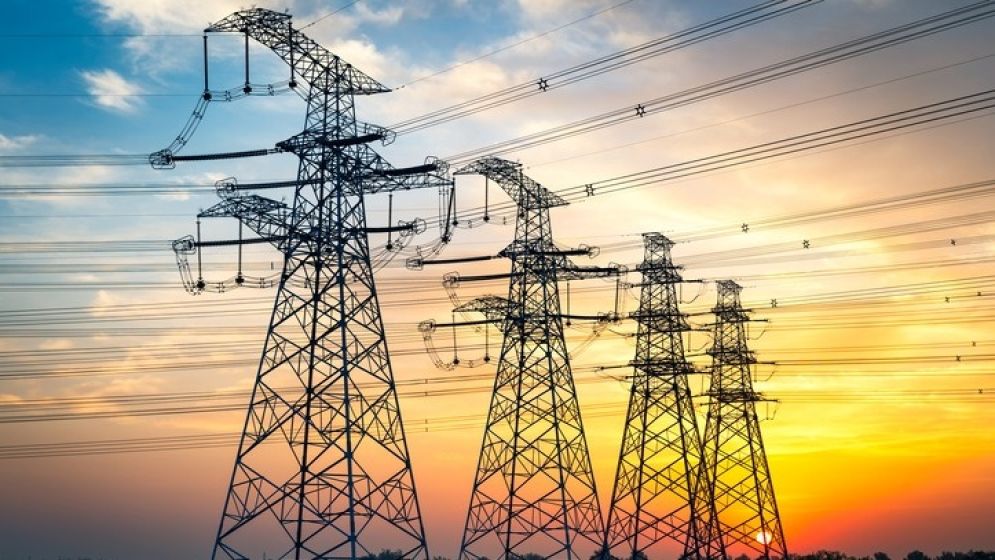
Bangladesh is moving toward another round of electricity price hikes, as authorities push ahead with a proposal to raise tariffs amid mounting fiscal pressure and rising living costs.
The Power Division has given policy approval to increase electricity prices, with the Bangladesh Power Development Board (BPDB) proposing a 17% to 21% hike at the wholesale level. The Bangladesh Energy Regulatory Commission (BERC) has taken the proposal into consideration and formed a technical committee to examine it.
In this regard, BERC Chairman Jalal Ahmed told the media on Wednesday that retail electricity tariffs are usually adjusted proportionately in line with any increase in wholesale prices.
“That is why a technical committee has been formed after taking the wholesale price hike proposal into consideration,” he said, adding that one of the five distribution companies has already submitted its proposal for a tariff increase, while the remaining companies are expected to do so within the next couple of days.
If approved, the increase in bulk tariffs will be reflected at the retail level. Officials say wholesale electricity prices may rise by Tk1.20 to Tk1.50 per unit, which could push retail tariffs up by as much as Tk1.38 per unit, depending on consumption patterns.
Adding to the pressure, liquefied petroleum gas (LPG) prices have also surged in recent weeks, compounding the cost burden on households. The price of privately supplied LPG was raised for the second time on April 19, with an increase of Tk17.62 per kilogram, following an earlier hike of Tk32.30 at the start of the month, according to the Bangladesh Energy Regulatory Commission.
As a result, the price of a widely used 12kg cylinder jumped from Tk1,728 to Tk1,940 – up by Tk212 within weeks.
Compared to March, when the same cylinder cost Tk1,341, prices have risen by nearly Tk600, driven by higher global energy costs and increased shipping expenses amid ongoing geopolitical tensions.
The move comes shortly after the government raised fuel prices on 18 April through an executive order, intensifying pressure on households already struggling with higher living costs. According to the adjustment, diesel and kerosene prices were increased by Tk5 per litre, octane by Tk6 per litre, and petrol by Tk4 per litre.
The latest proposal also coincides with rising inflation, which climbed to 9.04% in April. Economists link the sustained price pressure to global energy market volatility, driven by geopolitical tensions in the Middle East that have disrupted supply routes and pushed up fuel import costs.
Officials say that the planned electricity tariff hike is aimed at reducing the growing subsidy burden in the power sector. The government is expected to provide more than Tk56,000 crore in subsidies this fiscal year, largely due to high import costs of LNG, coal, and oil, as well as capacity payments to underutilised power plants.
Under the proposal, lower-income consumers using minimal electricity are likely to be protected, while higher-usage households – particularly those consuming more than 400 units per month – may face the biggest increase. Around 37% of consumers could be directly affected, while 63% low-usage users may remain largely shielded.
The BERC will review proposals from BPDB and distribution companies before holding public hearings, after which a final decision will be made.
Energy experts warn that while the tariff hike may ease fiscal pressure, it could further drive inflation and raise production costs across industries, eventually impacting the prices of goods and services. Consumer groups have also criticised the move, arguing that inefficiencies in the power sector should be addressed before increasing tariffs.
Improved efficiency urged to lighten consumers’ burden
Prof M Shamsul Alam, energy adviser to the Consumers Association of Bangladesh (CAB), told the Daily Sun that the justification of tariff hikes based on “deficit claims” is not new and cannot be accepted as a solution. He argued that electricity generation already carries around 40% excess cost, which should be reduced through improved efficiency and tighter control of unnecessary expenditure, rather than passing the burden on to consumers.
He also warned that the current approach to raising electricity prices is unlikely to be acceptable to consumers, especially at a time when households are already under pressure from rising fuel costs and inflation.
Dr Mustafa K Mujeri, former chief economist of Bangladesh Bank, told the Daily Sun that the proposed electricity tariff hike comes at a time when households are already under severe pressure from rising fuel costs, LPG price adjustments, and persistent inflation.
He noted that repeated increases in energy prices tend to have a cascading effect across the economy, raising transport costs, production expenses, and ultimately consumer prices, further weakening consumer demand.
He said that while fiscal pressures in the power sector are real, policy responses must carefully balance cost recovery with affordability, especially for middle and lower-income households whose real incomes have been eroded by inflation over time.