


 For all latest news, follow the Daily Sun's Google News channel.


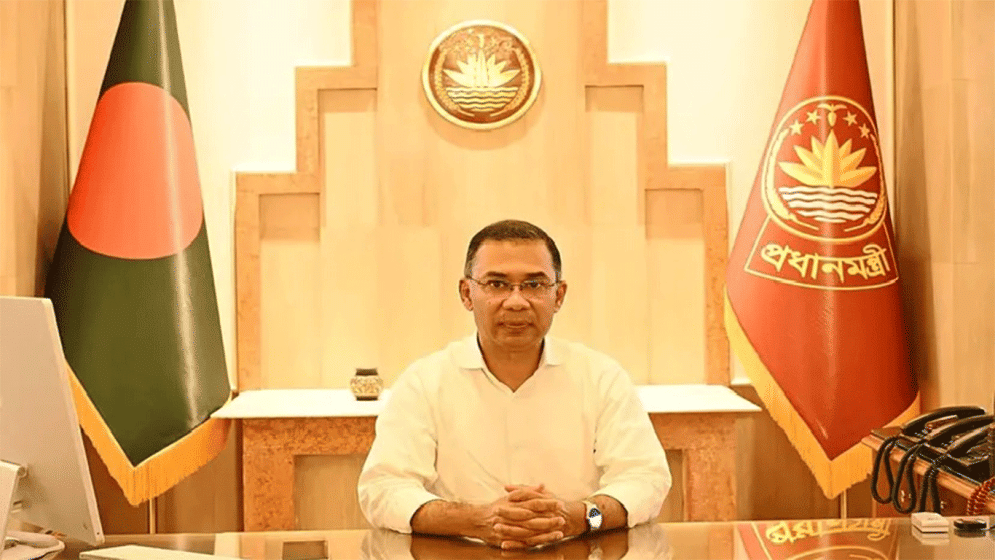
Prime Minister Tarique Rahman. File Photo
Good governance, the rule of law, and a resilient democracy cannot be secured by the government alone. The true foundation of a stable and prosperous state lies in the awareness, responsibility, and participation of its citizens. While leadership sets direction, it is the collective effort of the people that determines whether those ambitions are realised.
Following a decisive electoral victory, Prime Minister Tarique Rahman has assumed office with a clear mandate to rebuild the state. His early actions suggest a willingness to move swiftly on campaign pledges, and expectations among the public are understandably high. Yet it would be unrealistic to expect eventhe most determined leadership to achieve such transformation single-handedly. Citizens, too, must recognise their role in ensuring that policies are effectively implemented and that reform efforts take root.
The challenges facing the country are considerable. Years of politicisation, nepotism, and alleged misuse of public resources have weakened institutions and placed significant strain on the economy. Reversing this decline will take time. Institutional reform, economic recovery, and the consolidation of democratic practices cannot happen overnight. Meaningful progress will require patience, consistency, and cooperation between the state and its people.
Tarique Rahman’s agenda appears to encompass a wide range of reforms, including constitutional and political restructuring, strengthening the judiciary, improving governance standards, expanding economic opportunities, and enhancing public services such as education and healthcare. Environmental protection has also been highlighted as an important priority. These are ambitious goals, and their success will depend not only on policy design but also on public engagement and accountability.
It is here that citizens become indispensable. State rebuilding is not confined to parliament or government offices; it begins in everyday life. Small acts of civic responsibility – maintaining cleanliness, respecting public spaces, and following basic rules – may seem insignificant, but collectively they contribute to a culture of order and accountability. A society that values discipline and responsibility creates the conditions in which larger reforms can succeed.
In the early weeks of his administration, there have been visible efforts to initiate change. Measures aimed at restoring discipline within public institutions, particularly in administration and the economy, suggest a focus on stabilisation. Social initiatives – such as various support cards for families, farmers, and expatriates – indicate an attempt to extend state services more effectively. Infrastructure and transport improvements have also been prioritised, reflecting the need to address everyday challenges faced by citizens.
However, the responsibility for sustaining these efforts does not rest solely with the government. Citizens must remain vigilant, ensuring that power is exercised responsibly and that democratic norms are upheld. Constructive criticism, when grounded in facts, is vital for accountability. Blind opposition or the spread of misinformation, on the other hand, only undermines progress.
Ultimately, a government provides the framework for governance, but it is the people who bring that framework to life. Complaints are easy; meaningful participation is far more demanding. For reforms to succeed, there must be a shared commitment between leadership and citizens, grounded in mutual trust and cooperation.
Tarique Rahman has called for patience and unity as the country navigates this period of reconstruction. Balancing public expectations with limited resources will not be easy, and setbacks are inevitable. However, sustained progress depends on maintaining a collective focus on the national interest, rather than allowing divisions to dominate.
The vision of rebuilding the state is not merely a political agenda; it represents a broader aspiration for a stable, inclusive, and prosperous Bangladesh. Turning that vision into reality will require more than policy announcements – it will demand active participation from all segments of society, from ordinary citizens to professionals and expatriates.
In the end, the success of any government is inseparable from the actions of its people. If citizens rise to the occasion – embracing responsibility, integrity, and cooperation – the prospects for meaningful and lasting reform will be far stronger.