


 For all latest news, follow the Daily Sun's Google News channel.


New study highlights growing urban inequality in Asia-Pacific
Daily Sun Report, Dhaka
Published: 25 Feb 2026, 12:00 AM
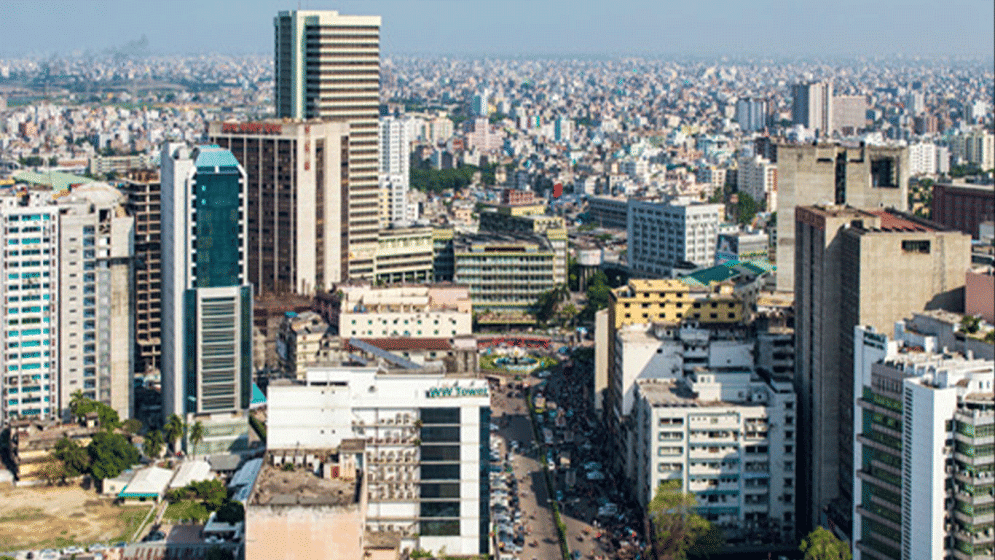
File Photo
A new report warns that rapid urban growth in Asia and the Pacific is accompanied by rising inequality, with 697 million people living in slums, more than 65% of urban workers in informal jobs, and 2.3 billion people exposed to unsafe air.
The report titled “Inclusive Urban Futures: From Inequality to Opportunity,” was launched on Tuesday at the opening of the 13th Asia-Pacific Forum on Sustainable Development in Bangkok.
The Economic and Social Commission for Asia and the Pacific (ESCAP), together with the Asian Development Bank and the United Nations Development Programme, launched the report.
It calls for urgent action to make cities more inclusive and resilient. The report highlights people-centred solutions that deliver results, including community-led housing and service delivery, initiatives to expand decent work and social protection for informal workers, and approaches to improve air quality, waste management and climate resilience. With the window to achieve the Sustainable Development Goals narrowing, regional leaders urged faster progress.
Armida Salsiah Alisjahbana, UN under-secretary-general and executive secretary of the Economic and Social Commission for Asia and the Pacific (ESCAP), said that the recent weakening of multilateralism threatens global partnerships and could unravel channels for technology transfers, and the financing needed for sustainable development. She said with Asia and the Pacific now a stronghold for both technology and finance, the region holds the means of implementation for sustainable development in its hands.
“We must collectively consider anew how regional cooperation could provide solutions for our rapidly evolving world,” she added.
Lok Bahadur Thapa, president of the United Nations Economic and Social Council (ECOSOC) underscored the importance of the Pact for the Future, saying that when Asia and the Pacific act collectively on issues such as climate resilience, connectivity, trade or social protection, it reinforces stability, reduces fragmentation and strengthens the credibility of the international system.
Beyond regional commitments, much of the work will depend on national and local action.
Speakers at the APFSD further emphasized three practical enablers: political leadership willing to take difficult decisions, better use of timely data to adapt policies as conditions change, and stronger collaboration with businesses and civil society to deliver results on the ground.
Speakers highlighted that progress in the region is uneven despite improvements in basic services.
Challenges remain in safely managed sanitation and water security, particularly in poorer and climate-vulnerable countries where droughts, floods and saltwater intrusion threaten access.
Electricity access is widespread, but the “last mile” challenge persists in remote areas, with unreliable and costly power.