


 For all latest news, follow the Daily Sun's Google News channel.


Bangladesh eyes US tariff cut, Japan trade deal nears
Daily Sun Report, Dhaka
Published: 28 Jan 2026, 12:00 AM
File Photo
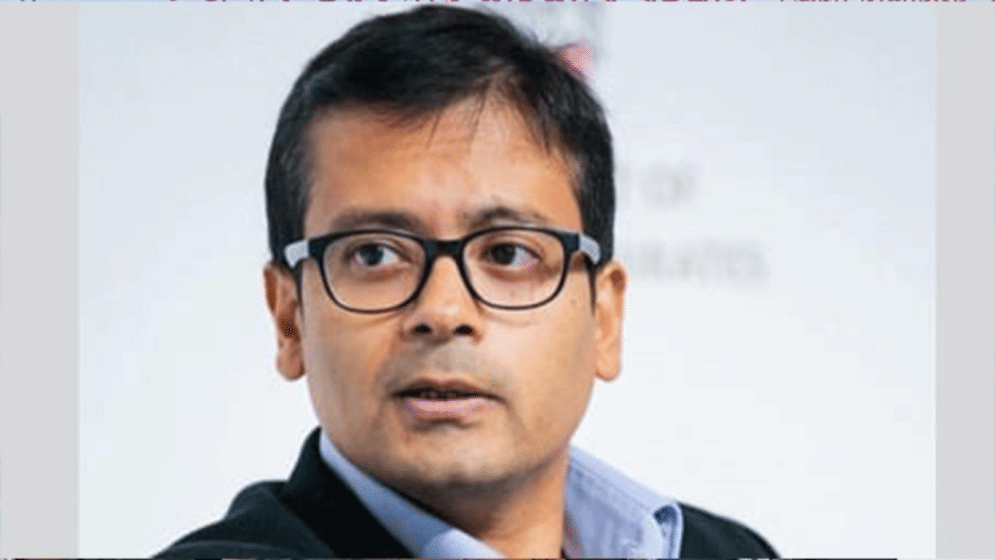
Chief Adviser’s Special Envoy on International Affairs Lutfey Siddiqi said on Tuesday that Bangladesh could see a reduction in the reciprocal tariffs imposed by the United States on its exports within days, signalling a potential thaw in bilateral trade relations.
Briefing reporters at the Foreign Service Academy on Bangladesh’s engagements at the World Economic Forum (WEF) annual meeting in Davos, Lutfey said Washington had demonstrated clear intent to lower tariffs and an announcement could come by the end of this week or early next week.“The intention on the US side is clear. We expect a positive decision soon,” he said, noting, however, that the extent of any reduction from the current 20 per cent reciprocal tariff remains uncertain.
Lutfey said he raised the issue in discussions on the sidelines of the Davos meeting with US Treasury Secretary Scott Bessent, a member of President Donald Trump’s Cabinet.
He added that several elements of US non-tariff policy align with the reform agenda of Bangladesh’s interim government.
He also pointed to a sharp fall in Bangladesh’s trade deficit with the United States, previously estimated at around $6 billion.
“Taking these factors into account, the US is showing openness to easing trade barriers on Bangladesh,” he said.
On trade relations with the European Union, Lutfey said discussions were held with EU Commissioners Roxana Mînzatu and Jozef Síkela on the prospects of a Free Trade Agreement (FTA).
“Bangladesh has clearly expressed its interest, and the EU has shown willingness. However, their process is slow,” he said, noting that the EU is currently prioritising FTA negotiations with India and may turn next to Vietnam.
“There is no reason to panic, but engagement must continue. I will leave detailed notes for the next government,” he added.
Lutfey cautioned that securing GSP Plus benefits after Bangladesh’s graduation from least developed country (LDC) status would be challenging, warning that heavy export concentration, particularly in garments, could jeopardise eligibility.
Referring to talks with World Trade Organization Director-General Ngozi Okonjo-Iweala, Lutfey said Bangladesh has been advised to reduce reliance on multilateral trade frameworks and pursue bilateral agreements.
“In the future global trade environment, it will be difficult to remain competitive without FTAs or EPAs,” he said.
He described negotiations with Japan on an Economic Partnership Agreement (EPA) as productive, citing assurances from Japan’s economy minister that a deal could be signed within one to two weeks.
Bangladesh will also enjoy duty-free access to the Japanese market for three years after LDC graduation. Talks are ongoing with South Korea, while negotiations with Singapore are at an advanced stage.
Lutfey said discussions with Thailand focused on investment in Bangladesh’s food processing sector and the use of Thai ports to boost trade.
He also raised the Rohingya crisis with UN Special Envoy on Myanmar Julie Bishop, noting that Bangladesh must remain firm on its legitimate demands amid increasingly complex regional geopolitics.