



 For all latest news, follow the Daily Sun's Google News channel.


Tax-free housing sector could revitalise 3,600 industries, boost revenue
Manwar Hossain
Published: 16 Jun 2026, 11:09 AM
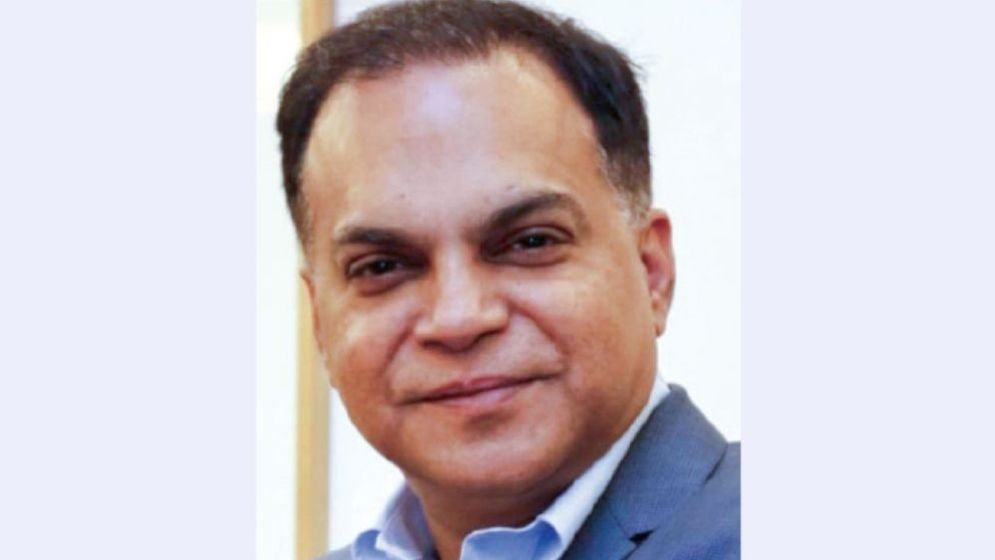
Manwar Hossain
I view this year’s budget as a blueprint for building the foundations of a Bangladesh that is “ready for the future”. It is an exceptional budget that goes beyond conventional calculations and numerical targets.
After several years of routine budgets, this can be regarded as a catch-up budget. Its emphasis on human resource development, particularly through increased focus on social protection, education and healthcare, is highly encouraging. In this era of global connectivity, the plan to introduce a “third language” is an excellent initiative that will open up new opportunities for young people. While some have described the budget as overly ambitious, I disagree. If the economy operates at full capacity and maintains strong momentum, achieving the revenue target is by no means impossible.
Housing Sector, Backward Linkages and Tax Policy
I have always supported making the housing or real estate sector completely tax-free. Housing is not only a basic human necessity; it is also a sector that, when revitalised, automatically stimulates around 3,600 associated service and manufacturing industries. Any revenue forgone through tax exemptions for the housing sector would be more than offset by the additional revenue generated through the growth of these linked industries.
For example, our cement industry is currently operating at only 55% of its production capacity. If this can be increased to 80%, the sector alone could generate an additional Tk25 billion in annual tax revenue.
Similarly, the substantial multiplier effects on the steel, ceramics, paints, cables, fittings, logistics and banking sectors would significantly advance the economy.
Debt Dependence versus Global Equity Capital
One weakness of the budget, however, is its excessive reliance on borrowing. Long-term prosperity cannot be secured through debt alone. Bangladesh must now move beyond debt financing and place greater emphasis on attracting foreign equity capital and partnership investments into infrastructure development.
At present, nearly $2 trillion in global institutional funds are seeking long-term, stable infrastructure investment opportunities.
Bangladesh is a highly promising investment destination. Why should we not be able to attract several billion dollars in direct investment from these funds into our major infrastructure projects? The time has come to adopt a strategic policy aimed at reducing dependence on borrowing and increasing foreign equity participation.
That said, I was quite surprised by the increase in import duties on PVC resin. PVC-based products represent one of Bangladesh’s most promising value-added export sectors. With the right support, this industry has the potential to become the country’s second-largest export sector within the next decade.
The newly increased import duty will not only hinder this export potential but also discourage the growth of an industry that has begun expanding through small-scale investors in towns across the country. Furthermore, the increase in the assessment value set by the National Board of Revenue (NBR) is not based on factual market data. In my view, this constitutes a blemish on an otherwise commendable budget. I consider it an unintended oversight and urge the authorities to correct it without delay.
Author: Chairman, Anwar Group of Industries