


 For all latest news, follow the Daily Sun's Google News channel.


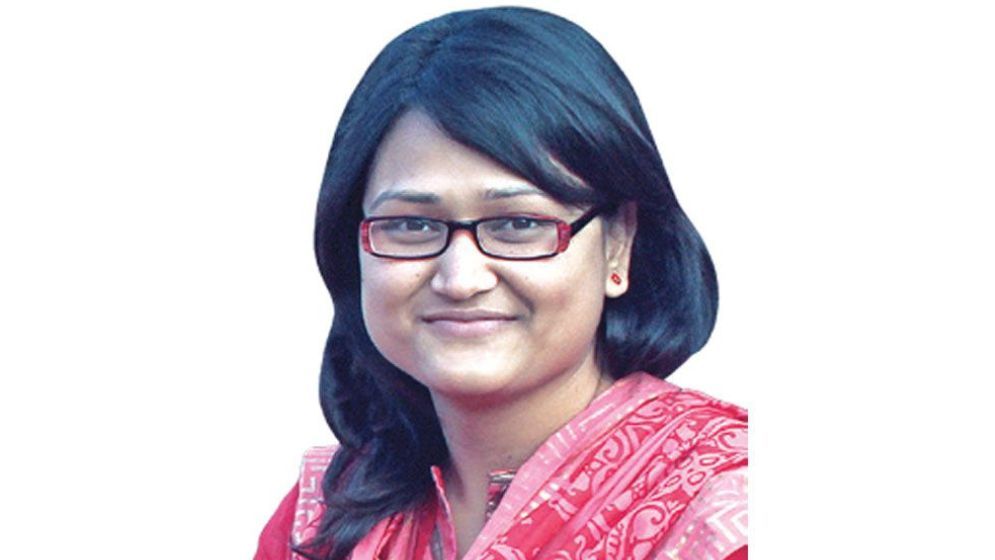
Kaniz Kakon
Every Eid arrives with a familiar music: hurried footsteps in markets, the fragrance of food rising from kitchens before dawn, the excitement of children counting new clothes, the embrace after prayer, and the quiet relief of families waiting for togetherness. Yet Eid-ul-Azha carries a deeper call than celebration alone. It asks us to pause before the idea of sacrifice and to ask what it means in a society where many people already silently sacrifice every day. The rickshaw puller who works through the heat so his child can go to school, the mother who hides her own hunger to feed others, the migrant worker who sends money home but spends Eid far from loved ones, the teacher who keeps hope alive in crowded classrooms, and the flood-affected family that rebuilds after every season of loss, all live close to the moral heart of Eid. We often reduce sacrifice to a ritual performance, but its spiritual depth lies in the transformation of the self. It teaches restraint in a culture of display, generosity in a time of inequality, humility in an age of self-promotion, and trust in God when life feels uncertain. As Bangladesh breathes in the warmth of Eid, the question before us is not only how beautifully we celebrate, but how deeply we understand what celebration demands from us.
The story at the centre of Eid-ul-Azha is not one of loss or fear; it is one of surrender, faith, and moral awakening. Prophet Ibrahim’s willingness to obey God is remembered not because sacrifice is beautiful in itself, but because sincere devotion requires the courage to place truth above possession, conscience above comfort, and divine command above ego. In contemporary life, sacrifice rarely appears as a dramatic test. It appears in ordinary choices: whether we will be honest when dishonesty is profitable, kind when anger is easier, and generous when nobody can force us. Bangladesh today needs this ethical meaning of sacrifice perhaps more than ever. We are a nation rich in emotion, resilience, memory, and faith, yet we often struggle to turn these strengths into public compassion. We grieve together after tragedy, but forget quickly. We speak of development, but tolerate humiliation in hospitals, roads, workplaces, schools, and homes. Eid asks us to connect the private tenderness of the home with the public morality of the nation. If we can spend joyfully with our families, can we also refuse corruption that steals from other families? If we can distribute meat to neighbours, can we also work for a society where charity is not the only answer to injustice? The highest meaning of sacrifice is not the temporary giving of something we own; it is the permanent disciplining of what owns us, greed, arrogance, indifference, envy, and the desire to win at any cost.
Eid also reveals the unequal geography of happiness in our country. For some, it means decorated homes, generous meals, family photographs, and relaxed conversations after prayer. For others, it means unpaid wages, unaffordable transport, medical bills, loneliness, or the painful effort to appear happy for the sake of children. This is not a reason to darken the festival; rather, it is a reason to make the festival more truthful. Joy becomes deeper when it is not blind. Faith becomes stronger when it notices suffering. A society becomes more humane when celebration does not hide inequality but awakens responsibility toward it. In Bangladesh, Eid has always carried a communal spirit: neighbours exchange food, relatives forgive old hurts, elders bless the young, and children move between homes as if the whole para belongs to them. We must protect this culture from the growing loneliness of modern life, where success is measured by consumption and relationships are weakened by comparison. The poor should not be made to feel ashamed during Eid, and the middle class should not be trapped in performance. The meaning of Eid is not found in the price of clothing, the size of the animal, the number of photographs, or the elegance of a dining table. It is found in sincerity, dignity, sharing, and the tenderness with which we include those who might otherwise be left outside the circle of happiness.
This Eid, we also need to consider the quiet sacrifices expected of women, caregivers, and the elderly. In many homes, Eid joy rests on invisible labour: women planning, cooking, cleaning, hosting, serving, managing guests, calming children, and maintaining the family's emotional balance, while others call it a holiday. Their work is love, but love should not become exhaustion without recognition. An Eid guided by Islamic values and human dignity must honour the labour that makes celebration possible. It must teach sons to help mothers, husbands to share responsibility, daughters to rest without guilt, and families to understand that care is not naturally assigned to one gender; it is a moral duty shared by all. The elderly, too, deserve more than ceremonial respect. Many parents wait for phone calls, visits, and patient conversations more than for expensive gifts. In a fast-moving society, neglect often hides behind busyness. Eid reminds us that presence is also a form of charity. Sitting beside an aging parent, listening to a widow’s story, including a domestic worker at the table, paying workers before the festival, forgiving a sibling, checking on a lonely neighbour, or calling a teacher who shaped our life, these small acts carry enormous ethical weight. A country is not changed only through laws; it is changed through habits of the heart repeated until they become culture.
Therefore, an Eid special message for Bangladesh should not be limited to greeting cards and decorative words. It should become a national reflection on what kind of people we are becoming. We have endured political uncertainty, economic pressure, climate anxiety, public grief, and social mistrust, yet we remain a people who know how to gather, pray, feed, remember, and hope. This is not a small strength. But hope must be protected from becoming mere sentiment. Eid-ul-Azha teaches us that renewal demands – the surrender of cruelty in speech, dishonesty in work, selfishness in comfort, arrogance in power, and indifference toward suffering. It asks the wealthy to remember accountability, the powerful to remember humility, the educated to remember service, the young to remember purpose, and families to remember forgiveness. It asks the nation to imagine development not only as roads, bridges, buildings, and numbers, but as the expansion of dignity in everyday life. When a child can celebrate without fear, when a worker receives fair wages before Eid, when a woman rests after serving others, when a poor family receives support without humiliation, and when citizens disagree without hatred, then Eid moves from ritual to social transformation. In the end, Eid is not only about what we give up for God; it is about what we become through that giving.
The writer is an Assistant Professor in the Department of Philosophy at IUBAT and is currently on study leave, residing in Oslo, Norway