


 For all latest news, follow the Daily Sun's Google News channel.


From Grassroots to National Policymaking: The Illustrious Political Journey of Mir Shahe Alam
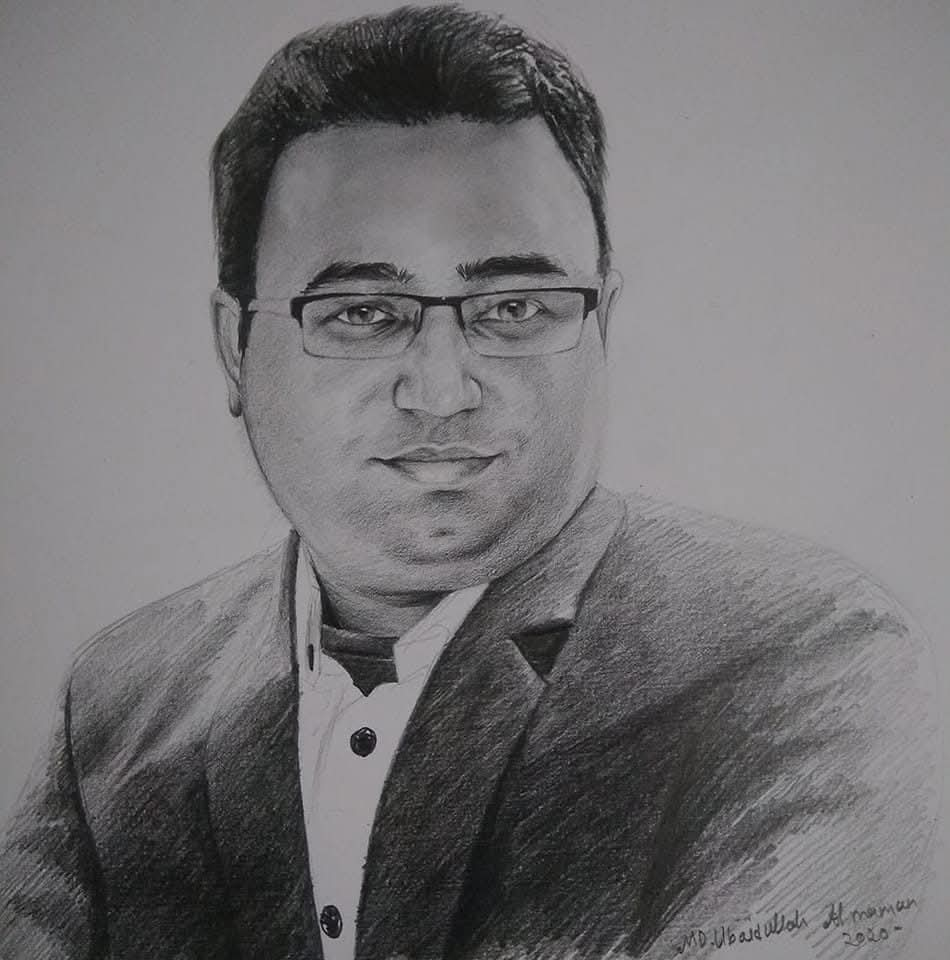
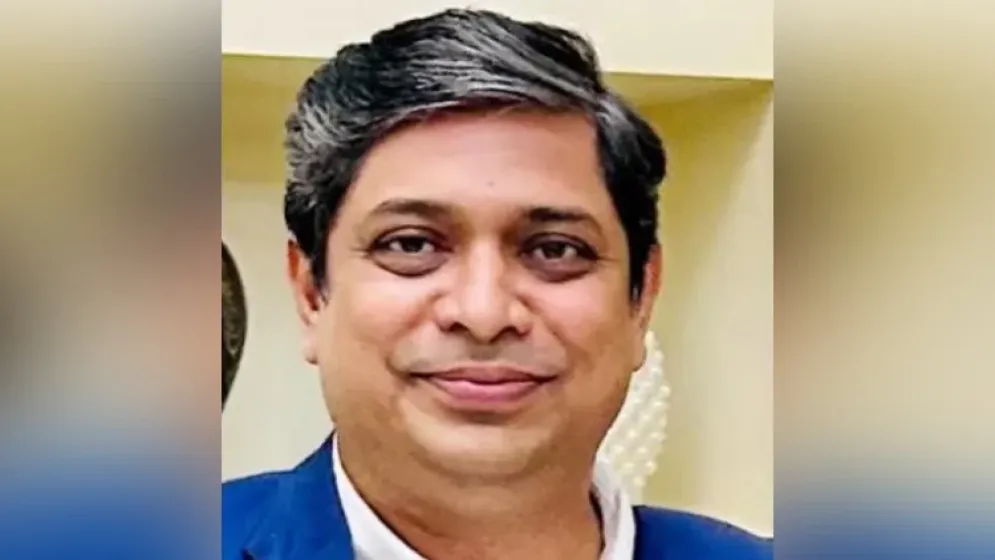
Mir Shahe Alam | File Photo: Collected
In the history of Bangladeshi politics, it is often seen that many leaders emerge with skyrocketing popularity, while others silently prove their indispensability through steadfast work. However, the struggle of those who rise through the ranks by embracing the dust and soil of the grassroots, becoming companions to the joys and sorrows of the common people, is uniquely inspiring. In the contemporary political landscape of Bangladesh, Mir Shahe Alam is such a luminous star. Currently serving as the State Minister for Local Government, Rural Development, and Co-operatives (LGRD), his political ascent is not merely a personal triumph but a grand recognition of the merit, labor, and public engagement of grassroots politicians. Mir Shahe Alam’s political journey began from the very heart of the masses. When he started his tenure as the Chairman of Atmul Union Parishad in Shibganj, he was only 23 years old. As one of the youngest public representatives of that time, the foresight and dedication he displayed are still fondly remembered by the people of Bogra. The long span between being a Union Parishad Chairman and becoming a State Minister of the Government of the People’s Republic of Bangladesh is an epic of continuous struggle and earning public trust. When a grassroots leader assumes a significant role in state governance, their decisions reflect a deep understanding of reality. This is because they intimately know the problems of the rural paths, the grievances of the ordinary farmer, and the specific reforms needed to strengthen the local government system.The key to Mir Shahe Alam’s political success lies in his indomitable patience and unwavering loyalty to his organization. He is not just a public representative but has established himself as a skilled organizer. During his time in various leadership roles at the Shibganj Upazila and Bogra District levels, he proved repeatedly that no obstacle is permanent when one possesses the love of the people and integrity toward the party. His political wisdom was never confined to seminars; he applied it effectively in administration. During his tenure as a Director of BRTC and BSCIC, his transparency and ability to make swift decisions were remarkable. At that time, he demonstrated how a government institution could be made people-friendly and profitable. Being elected as a Member of Parliament from the Bogra-2 (Shibganj) constituency and subsequently being appointed as the State Minister for LGRD added a new dimension to his career. The Ministry of Local Government is a department directly involved with rural infrastructure, sanitation, potable water, and the daily lives of the common people. Since Mir Shahe Alam’s own experience stems from being a Chairman of both Union and Upazila Parishads, he knows the intricacies of this ministry thoroughly. He understands that to keep the wheels of the rural economy moving, local governments must be made more powerful and autonomous. Since taking office, he has personally focused on monitoring rural development projects across the country, which is significantly enhancing administrative efficiency. A major aspect of Mir Shahe Alam’s politics is his humanitarian quality. He is not a leader who merely gives orders; he is an excellent listener. The common people of Shibganj regard him as one of their own. Even at the center of power, he has not forgotten his roots. He visits his constituency every week, listens to the people, and stands by many through personal initiatives. The success of a politician lies in a relationship where the people do not fear them but love them and feel confident sharing their problems. Mir Shahe Alam has earned this trust over a political odyssey spanning four decades. His political philosophy is primarily centered on development and peace. He believes that development should not be limited to skyscrapers or highways; its benefits must reach the person at the furthest corner of the village. His specific vision for the development of Bogra, a historically neglected region of North Bengal, is always evident. He is working tirelessly toward his dreams of establishing a modern public university in Bogra, operationalizing the airport, and eliminating unemployment through agro-based industrialization. An analysis of this long journey reveals that Mir Shahe Alam never sought success through shortcuts. He believes in a foundation built grain by grain through public support. In today’s era of volatile politics, where many are blinded by the lure of overnight positions, Mir Shahe Alam stands as a brilliant exception. He has proven that with steady work and an unbreakable connection with the people, success is inevitable. His journey sends a powerful message to the young politicians of tomorrow: politics is not just about power; it is an arduous test of service and sacrifice. Analysts believe that Mir Shahe Alam’s current tenure will open new horizons for rural development in the country. His commitment to protecting climate-vulnerable rural settlements and his challenge to make the local government system technology-friendly—aligning with the transition from Digital Bangladesh to Smart Bangladesh—is truly commendable. Under his leadership, the LGRD Ministry is expected to become more dynamic, moving the nation closer to the goal of transforming every village into a hub of urban amenities. In conclusion, Mir Shahe Alam is not just a leader of a specific area or party; he is a robust voice in the political culture of contemporary Bangladesh. His journey from the grassroots to the Secretariat is as colorful as it is significant. The vow of serving the people with which he entered politics remains his guiding light. It is the expectation of the common people that he continues this mission throughout his life. The more experienced and people-oriented leaders like Mir Shahe Alam reach the policy-making level, the faster the fortune of the common man will change. Every step of his political life will remain a vital pillar in building the prosperous Bangladesh of the future.
The writer
is a PhD researcher at the University of Dhaka. He can be contacted at: [email protected]