



 For all latest news, follow the Daily Sun's Google News channel.


Govt's multifaceted initiatives to address energy crisis
M Raihanul Islam
Published: 23 Mar 2026, 10:48 PM
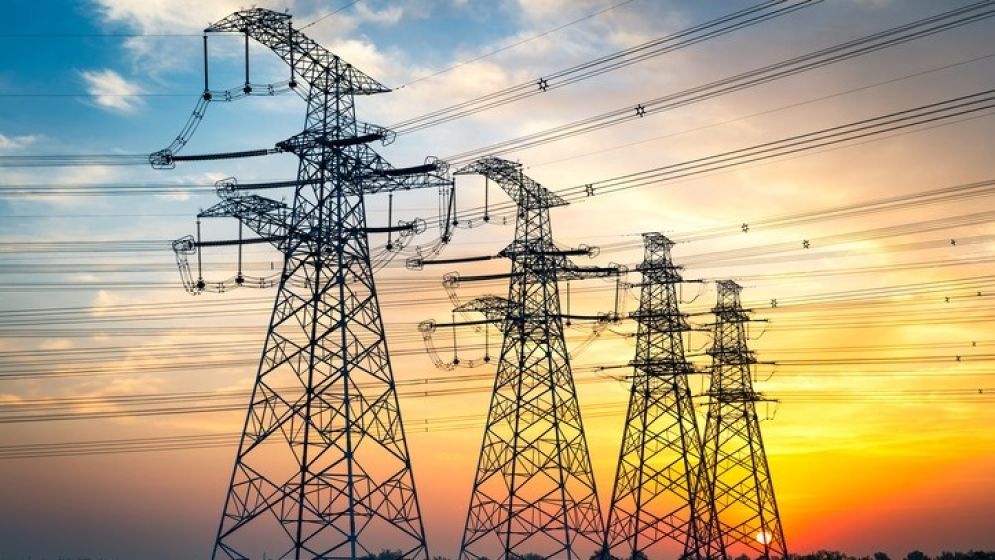
Photo: Collected
In the context of ongoing instability in the Middle East and fluctuations in the global energy market, the pressure on Bangladesh’s energy sector has now become a significant national issue. Increased crowds at filling stations across the country, including in the capital Dhaka, heightened public interest in fuel collection, and growing concern over the situation together indicate that the country is going through a sensitive period. However, the government has taken timely and coordinated measures to address this challenge, which are playing an important role in controlling the crisis.
As Bangladesh largely depends on energy imports, any instability in the international market directly impacts the country. Tensions involving Iran, the United States, and Israel, along with uncertainties surrounding the Strait of Hormuz, have created pressure on global energy supply. In this reality, the Bangladesh government has taken swift diplomatic and policy initiatives to manage the situation.
Firstly, the government has placed special emphasis on sourcing energy from alternative suppliers. Active communication is being maintained with countries such as India, China, and the United States. A proposal has been made to India for additional diesel supply, and initiatives have been taken to strengthen long-term energy cooperation with China. At the same time, discussions are ongoing with potential sources such as Brunei, Africa, and the Americas. As a result, diversification of energy supply is being ensured, which is crucial for future stability.
Secondly, the government is procuring fuel from the spot market as needed to avoid any supply shortages. At the same time, existing stock management is being handled efficiently, which is helping to meet the country’s demand.
Thirdly, the government has urged citizens to adopt a more energy-efficient mindset. To this end, a five-point directive has been issued, including reducing unnecessary electricity and fuel consumption, avoiding decorative lighting, limiting the use of private vehicles in favor of public transport, and preventing fuel smuggling and illegal sales. These initiatives are having a positive impact on the country’s overall energy management.
Fourthly, a rationing system has been introduced to ensure the balanced distribution of fuel. Through this measure, optimal use of limited resources is being ensured. The allocation of fuel based on vehicle categories is helping people from all sectors receive the necessary supply.
Fifthly, administrative activities at the field level have been intensified to maintain normal fuel supply. Measures such as increasing supply at the divisional level, coordinating allocations at filling stations, and strengthening the activities of law enforcement agencies are ensuring an orderly environment. As a result, the fuel distribution process is becoming more transparent and effective.
In addition, the government is regularly increasing fuel reserves and monitoring the supply situation. Through timely decision-making and implementation as needed, the situation is being kept under control. Policy adjustments are also being made in line with changes in the international market, reflecting the government’s forward-looking planning.
According to experts, such timely and practical measures during a crisis are highly positive for the country. At the same time, conscious public participation is making these initiatives even more effective. Practicing energy conservation and following government guidelines are especially important in the current situation.
In the long term, the government is also focusing on increasing the use of renewable energy, developing domestic resources, and building a technology-driven management system in the energy sector. If these initiatives are implemented, the impact of such global instability will be significantly reduced in the future.
Overall, it can be said that in the face of global challenges, the coordinated, planned, and effective measures taken by the Bangladesh government are playing a supportive role in stabilizing the country’s energy sector. With a combination of government initiatives and public cooperation, overcoming this crisis is possible—this is the hope shared by all.
Author: Journalist and Political Analyst