



 For all latest news, follow the Daily Sun's Google News channel.


The Oscars: Hollywood’s most prestigious award, shaped by glory, controversy
AP, California
Published: 03 Sep 2026, 11:39 AM
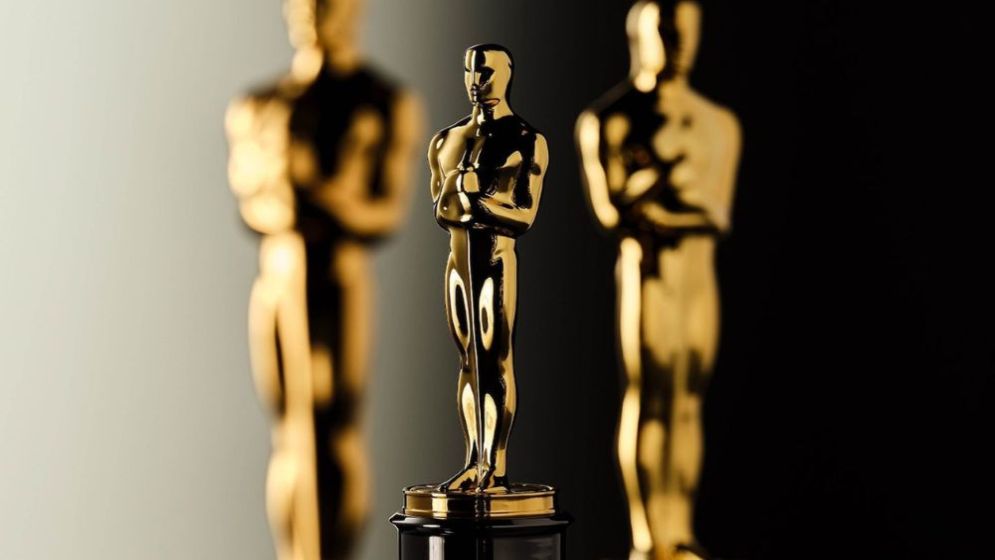
Photo: Collected
Winning an Oscar remains one of Hollywood’s highest honors, but behind the glamour of the golden statuette lies a history marked by mystery, controversy and rules that have often sparked debate.
The Academy Awards have come a long way since their modest debut in 1929, when the inaugural ceremony reportedly lasted just 10 minutes. Today, the Oscars have evolved into the centrepiece of Hollywood’s awards season, an elaborate spectacle shaped not only by stars and filmmakers, but also by studios, campaign strategists, critics, media organizations, stylists and thousands of industry professionals working behind the scenes.
The origins of the Academy itself were also far from simple.
Hollywood producer Louis B. Mayer helped establish it at a time when the film
industry was trying to improve its public image and strengthen the influence of
major studios.
Even the origin of the name “Oscar” remains uncertain. One
popular story says Academy librarian Margaret Herrick nicknamed the statuette
after her uncle, though no one knows for sure who first gave the award its
famous name.
Over the years, the Oscars have produced both celebrated
choices and controversial decisions.
Classic films such as Citizen Kane and Brokeback Mountain
lost the Best Picture award, while Crash and Green Book won the top prize.
Other acclaimed films, including 2001: A Space Odyssey, Do the Right Thing and
Hoop Dreams, were not even nominated for Best Picture. Acclaimed filmmaker
David Lynch, meanwhile, never won a competitive Oscar.
Despite such criticism, an Oscar remains the most widely recognized
award in the film industry.
The statuette itself is worth far less than its symbolic
value. It costs about $400 to produce, but studios can spend tens of millions
of dollars campaigning for awards. Winning can lead to higher salaries and
greater career opportunities, although an Oscar is no guarantee of long-term
success.
The trophy also comes with strict ownership rules. Winners of Oscars awarded after 1951 cannot sell or dispose of their statuettes without first offering them to the Academy for $1.
The popularity of the Oscars has also changed over the
decades. Television audiences have risen and fallen since the ceremony was
first broadcast in 1953, while the Academy has repeatedly faced criticism over
its membership and lack of diversity.
In 2015, the hashtag #OscarsSoWhite sparked widespread
criticism and pushed the Academy to make major changes in its membership.
Critics have questioned the Oscars' relevance almost since
the awards began. Yet the ceremony continues to attract global attention every
year.
For Hollywood, the Oscar remains both a symbol of artistic achievement and a reminder of the industry's flaws — shaped by talent, ambition, money, power and, often, controversy.