


 For all latest news, follow the Daily Sun's Google News channel.


Climate relocation must give people a voice: Neil Adger
He said the RMMRU conference could showcase the contribution of Bangladeshi research and science to global debates
Daily Sun Report, Dhaka
Published: 08 Oct 2026, 07:56 PM
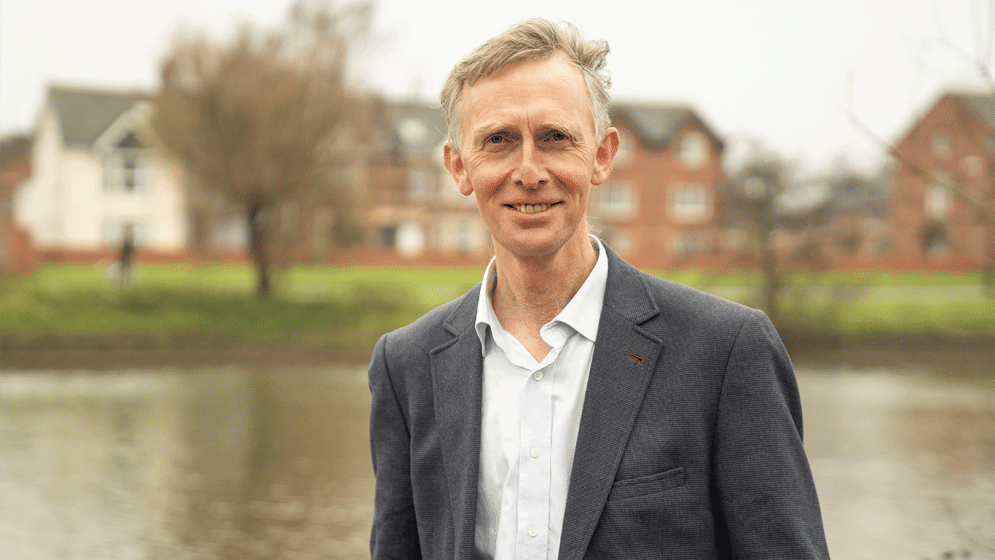
Photo: Courtesy
Professor Neil Adger of the University of Exeter has said planned relocation can provide a durable solution to climate-induced displacement if affected communities have a meaningful voice in deciding their future and new settlements are supported by adequate public services.
During an interview ahead of the Refugee and
Migratory Movements Research Unit’s (RMMRU) 30th anniversary international
conference, Adger said climate impacts were escalating, making planned
relocation an increasingly important issue for countries such as Bangladesh.
He said relocation should not focus solely on
providing houses but must also include public services, public spaces, gardens
and other facilities needed to create viable communities. Displaced people, he
stressed, must have agency in planning their movement.
“Fewer projects, but do them better” should be the
approach, Adger said, noting that planned relocation would likely become more
expensive and access to suitable land remained a major challenge.
Adger, who has collaborated with RMMRU for around 15
years, said Bangladesh had valuable lessons to offer the international
community on planned relocation, identifying people at risk from climate change
and managing migration in cities.
He said the RMMRU conference could showcase the
contribution of Bangladeshi research and science to global debates.
On improving living conditions and livelihoods for
climate-displaced communities, Adger emphasised human rights, agency and
empowerment. He also stressed the role of government in providing
infrastructure and creating democratic spaces where communities, civil society
and the private sector can prepare for future challenges.
He said research itself should empower affected
communities rather than simply treating people as sources of data. Researchers
should engage directly with local communities, stakeholders and city officials
so that the research process contributes to meaningful change.
For Bangladesh, Adger said implementation of
existing policies should remain a priority. He particularly pointed to the
Delta Plan and called for stronger attention to coastal communities, secure
land tenure, the right to move, opportunities for return and circular
migration, and safe and resilient destinations for migrants.
He also warned against excessive concentration of
Bangladesh’s population in a few large metropolitan areas. Such concentration
could create challenges related to food security, congestion and exposure to
climate risks.
Adger said maintaining vibrant rural economies was
equally important, arguing that investment in rural services and communities
would support sustainable futures and reduce the pressures that contribute to
distress migration.
He called for an integrated approach linking climate
adaptation, regional development and public services across government, saying
Bangladesh’s future planning should encompass sectors ranging from education
and labour to the environment and central planning.
Reflecting on his long collaboration with
Bangladesh, Adger said the country’s scientific community had much to share
with the world. He described his continued work with RMMRU and Bangladeshi
researchers as “a joy, a delight and an honour.”