


 For all latest news, follow the Daily Sun's Google News channel.


The upcoming SSC and equivalent examinations, beginning April 21, represent a significant milestone as the first under the new government. The current minister for education is renowned for his previous success as state minister between 2001 and 2006, when he took bold steps to eradicate unfair practices in public examinations. Given his legacy of challenging the prevailing culture of academic dishonesty, education stakeholders demanded his return to this role—a demand the government has wisely addressed. This examination period serves as an “acid test” for the minister. Currently, the education sector suffers from a systemic illness where students prioritise high grades and employment over actual learning, often seeking success without diligence or industry.
To combat this, the minister has issued strict directives to ensure a smooth, fair process, warning that wrongdoers will face severe penalties. His comprehensive strategy includes identifying high-risk centres, installing functional CC cameras, and conducting “helicopter missions” for sudden hall inspections. Security measures will be rigorous; students will undergo thorough searches before entry, and restrooms will be repeatedly inspected. To provide a legal framework for these actions, the law regarding unfair means will be changed. The draft paper of the Public Examination Offences Amendment Act has been approved. Through it, the law introduced in 1980 has been made tougher to give stern punishment to the wrongdoers along with the cheat.

Accountability is a cornerstone of these reforms. Teachers and invigilators will be held responsible for any lapses during the exams. To prevent internal collusion, school teachers are barred from entering centres hosted at their own institutions, and only the hall secretary is permitted to carry a mobile phone. Furthermore, the era of “mercy” marking is over. Teachers who award excessive or lenient marks outside standardised assessment norms will face punishment. This measure aims to reverse the “zero merit” trend caused by years of inflated pass rates and poor student competency.
Logistical innovations have also been introduced to prevent question paper leaks. Questions are now delivered in foil packs within security envelopes that cannot be resealed once opened. A strict protocol requires that packets be opened only 15-20 minutes before the exam in the presence of a tag officer, a police officer, and the centre secretary, all of whom must sign off on the process. Additionally, the ministry has cancelled 292 ‘venue centres’ (sub-centres) which were historically the most vulnerable sources for leaks, maintaining them only in remote areas like Nikli and Austagram due to a lack of alternatives.
It happens interestingly that our education -related people and the authorities, without putting water in the proper place, are seen to spend time talking about by-products such as vanishing coaching centres and notes and guidebooks and private tuition, etc. If examinations are taken in a leak-proof and trustworthy way, other by-products of mismanaged education will automatically disappear or become weak. In the previous years there was a competition among the education boards to increase the pass percentage as well as the number of so-called GPA-5 holders without any meaning. Nobody could get any meaning from the results. Do higher grades mean students’ spontaneous descriptive capacity about their text and the topic they read? Can they describe any chapter of their books by themselves? Can they write anything of their own? Can they describe anything critically? Nothing! Students who do not have any connection with books, class, tutorials or assignments would get a GPA of 5. Stakeholders used to bleed internally to witness this sad situation in the educational field. Things must be changed, and from somewhere and by somebody things must start. We think the initiatives taken by the new education minister may bring some positive changes here.
Earlier all our education boards used to make questions separately, which creates another discrepancy as students come to enrol in higher educational institutions following the same syllabus curriculum, but they have different results because of difference in question papers. To ensure future fairness, the minister has declared that identical question papers will be introduced across all boards starting with the next HSC exams, ensuring students are evaluated on a level playing field. He also aims to conclude all public examinations by December 31 each year to prevent the loss of valuable academic time.
It is a very timely decision that we have clamoured for years together. All declarations and decisions deserve praise. The successful implementation of these decisions will drive students towards class, strengthening the situation of institutional education. It will make them serious in studies, leaving the ‘mob culture’ and other unlawful activities they resort to doing now. Guardians will also be serious, and a social change will occur. These honest intentions and decisive actions deserve the nation’s full support as they steer the country toward quality education.
____________________________________________
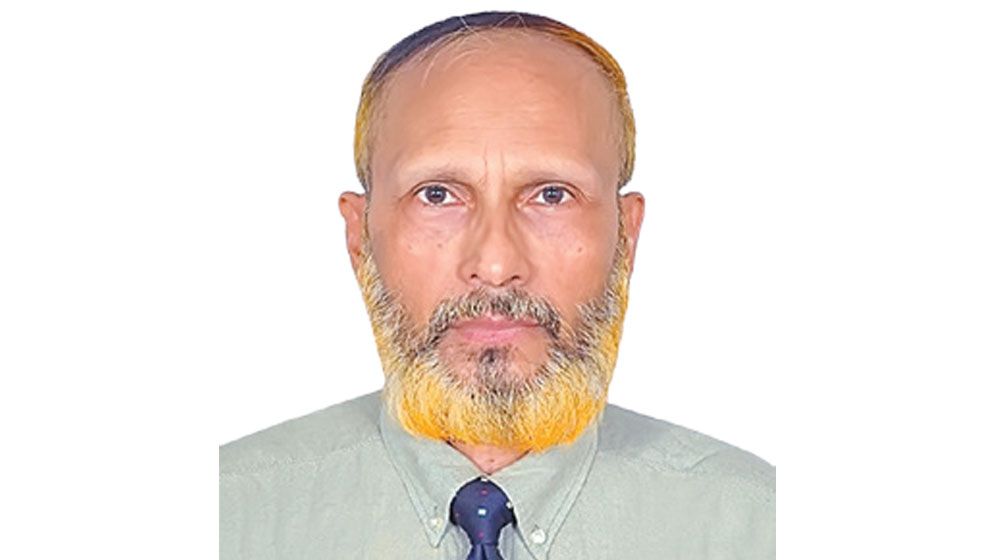
The writer is President of English Teachers’ Association of Bangladesh.
He can be reached at [email protected]