


 For all latest news, follow the Daily Sun's Google News channel.


Bangladesh-Denmark partnership boosts local insulin manufacturing
Daily Sun Report, Dhaka
Published: 02 Jul 2026, 12:36 AM
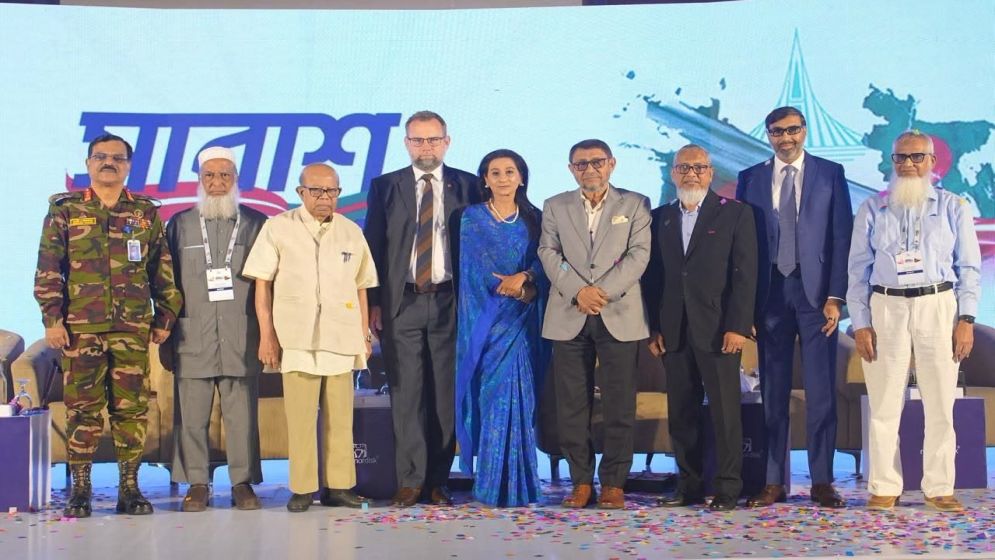
Denmark hails Bangladesh-Denmark partnership as locally produced insulin boosts healthcare access. Photo: Embassy of Denmark in Bangladesh.
The Embassy of Denmark in Bangladesh has highlighted a major Bangladesh-Denmark healthcare partnership following the launch of locally manufactured Novo Nordisk modern insulin cartridges, saying the initiative will improve access to quality diabetes treatment while strengthening the country's pharmaceutical manufacturing capacity.
In a Facebook post published on 30 June, the embassy said the collaboration between Danish healthcare company Novo Nordisk and Eskayef Pharmaceuticals Ltd. demonstrates how Danish innovation and expertise can help improve access to high-quality medicines and support Bangladesh's growing biopharmaceutical industry.
Speaking at the launch of the locally produced Novo Nordisk Penfill insulin cartridges, Danish Ambassador to Bangladesh Christian Brix Møller said the partnership goes beyond introducing a new product.
He said its long-term value lies in the transfer of advanced technical knowledge, the strengthening of quality assurance systems, and the development of local manufacturing capacity that will support Bangladesh's healthcare and industrial ambitions for years to come.
The launch ceremony was attended by Health and Family Welfare Minister Sardar Md Sakhawat Husain and Director General of the Directorate General of Drug Administration (DGDA) Major General Md Shameem Haidar, reflecting the government's commitment to expanding healthcare access and promoting pharmaceutical innovation.
According to the Danish embassy, the partnership has enabled the transfer of advanced biopharmaceutical manufacturing technology from Novo Nordisk to Bangladesh, allowing local production of insulin cartridges that meet international quality standards.
The embassy also said domestic production is expected to reduce the price of modern insulin cartridges by around 18 per cent, making diabetes treatment more affordable for nearly 15 million people living with diabetes across Bangladesh.
The initiative is backed by a US$30 million investment aimed at strengthening Bangladesh's pharmaceutical manufacturing ecosystem and expanding opportunities in regional and global value chains.
The embassy noted that the partnership will help build local industrial capacity through technology transfer and technical expertise while enhancing Bangladesh's position as a producer of high-quality medicines with greater export potential.
Describing collaboration as the cornerstone of Denmark's long-standing engagement with Bangladesh, the embassy said partnerships like this demonstrate how international cooperation can improve public health while supporting sustainable industrial development and economic growth.