


 For all latest news, follow the Daily Sun's Google News channel.


BGMEA chief offers Vietnam-level wages if facilities match
Daily Sun Report, Dhaka
Published: 23 Nov 2026, 12:57 PM
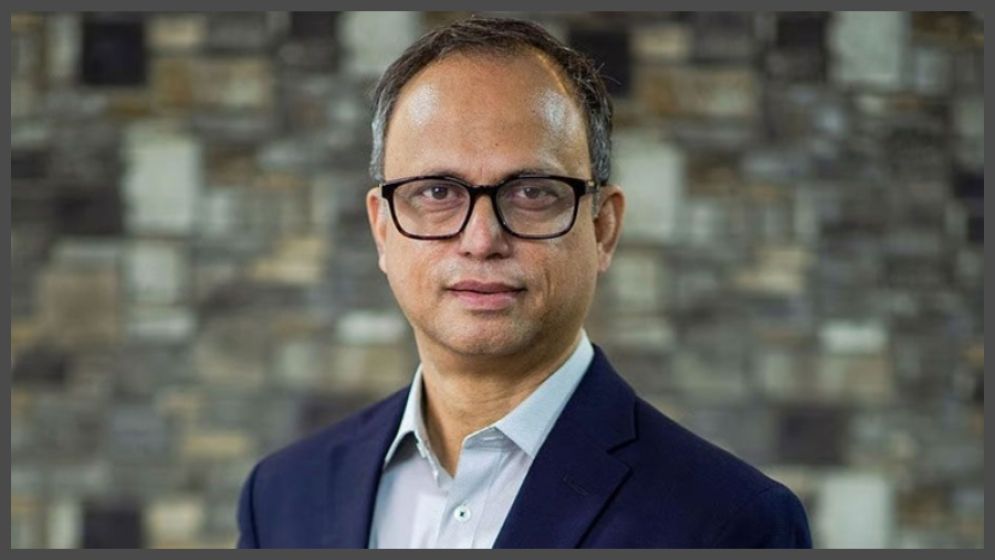
Bangladesh Garment Manufacturers and Exporters Association (BGMEA) President Mahmud Hasan Khan. Photo: BSS
Bangladesh's garment manufacturers are willing to pay workers wages similar to those in Vietnam if the country can ensure comparable infrastructure, logistics and other business facilities, Bangladesh Garment Manufacturers and Exporters Association (BGMEA) President Mahmud Hasan Khan said on Saturday.
Speaking at a programme titled "Garment Workers' Wages: Fairness and Industry Development", organised by the Power and Participation Research Centre (PPRC) on 22 November, he said the country's garment industry was operating under less favourable conditions than its competitors.
Mahmud said Bangladesh lagged far behind Vietnam in lead times, lacked a deep-sea port and had weaker backward linkage industries and inadequate energy support.
He also said that although the minimum wage for garment workers was Tk12,500, their average monthly earnings stood at Tk19,600.
The programme brought together representatives of garment manufacturers, labour organisations and researchers, who stressed the need for a permanent, transparent and evidence-based wage-setting framework to ensure fair wages while maintaining the industry's competitiveness and sustainability.
Bangladesh Institute of Labour Studies (BILS) Executive Director Syed Sultan Uddin Ahmed said workers often believed that their concerns would not receive attention unless they took to the streets.
"Workers assume that unless they take to the streets, their concerns will not come up for discussion. We need to overcome this crisis of trust," he said.
In response, Mahmud questioned whether street protests should remain the only way to resolve labour disputes and called for a change in this mindset.
PPRC Executive Chairman Hossain Zillur Rahman, who chaired the programme, said demonstrations could be understandable as a means of drawing attention to workers' demands, but disorder was undesirable.
Syed Sultan said workers in other countries received various forms of government-backed social protection, while Bangladesh's system remained largely dependent on factory owners.
He also identified several weaknesses in the country's wage-setting process, including inadequate data, the absence of a national minimum wage, a lack of clarity over the minimum wage base and insufficient research by the wage board.
Taslima Akhter, president of Bangladesh Garment Sramik Sanghati, opposed including overtime earnings in the calculation of minimum wages. She said workers' regular earnings for standard working hours should be the basis for determining the minimum wage.
Musleh Uddin Ahmed, a member of the minimum wage board, expressed hope that negotiations would produce an effective wage structure for garment workers within this month.
Meanwhile, garment entrepreneur and former BGMEA president Anwar-Ul Alam Chowdhury Parvez, who is currently president of the Bangladesh Chamber of Industries (BCI), highlighted the challenges facing the garment sector.