


 For all latest news, follow the Daily Sun's Google News channel.


US trade deal will strengthen Bangladesh economy: Foreign Minister
The trade deal will allow duty-free access of Bangladeshi garments, which are produced with US cotton, to the American market, he says
Daily Sun Report, Dhaka
Published: 17 Jun 2026, 08:11 PM
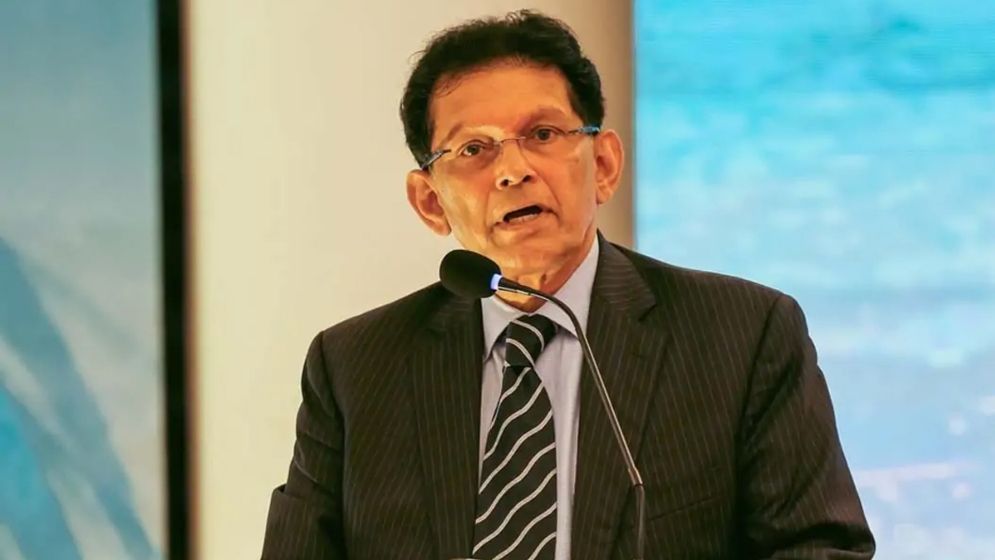
The interim
government’s trade deal with the US will help attract foreign investment into Bangladesh,
bolster energy security, and strengthen the country’s position in the global
value chains, said Foreign Minister Khalilur Rahman at the parliament on Wednesday.
He highlighted
the benefits from the trade deal when responding to a question from Gazipur-5
MP AKM Fazlul Haque Milon.
The trade deal will allow duty-free access of Bangladeshi garments, which are produced with US cotton, to the American market, the foreign minister said.
The Porf
Yunus-led interim administration signed the Agreement on Reciprocal Trade with
the US on 9 February, three days before the general elections. At the time,
Khalilur Rahman served as the national security adviser to Chief Adviser Prof Muhammad
Yunus.
The deal
was signed to ward off hefty tariff pressures from the Trump administration,
which threatened to decimate the Bangladesh's bellwether garment industry.
However, many economists and business leaders have voiced concerns that the deal requires Bangladesh to purchase US cotton, soybean, energy products, wheat and aircraft at higher prices compared with the rates offered by other exporting nations.
Increased
trade opportunities with other nations
The BNP
government has also bolstered efforts to secure favourable trade terms with a number
of other nations. Officials are working further to expand and diversify the country’s export basket.
To this
end, talks have been launched for signing a Comprehensive Economic Partnership
Agreement (CEPA) with the UAE, and works are progressing on signing free trade
deals with Malaysia, Singapore and Thailand, the foreign minister told the
parliament.
Bangladesh
has also expanded export destinations beyond the traditional markets in Europe
and North America. New destinations span regions like the Middle East, Africa,
Southeast Asia, South America, Central Asia and Eastern Europe, the minister
noted.
The country
is also working to enhance trade ties the Middle East’s Gulf Cooperation
Council (GCC), Latin America’s Mercosur bloc and other economic alliances.