


 For all latest news, follow the Daily Sun's Google News channel.


Govt eyes shift to investment-led growth model: Titumir
Daily Sun Report, Dhaka
Published: 05 Mar 2026, 12:00 AM
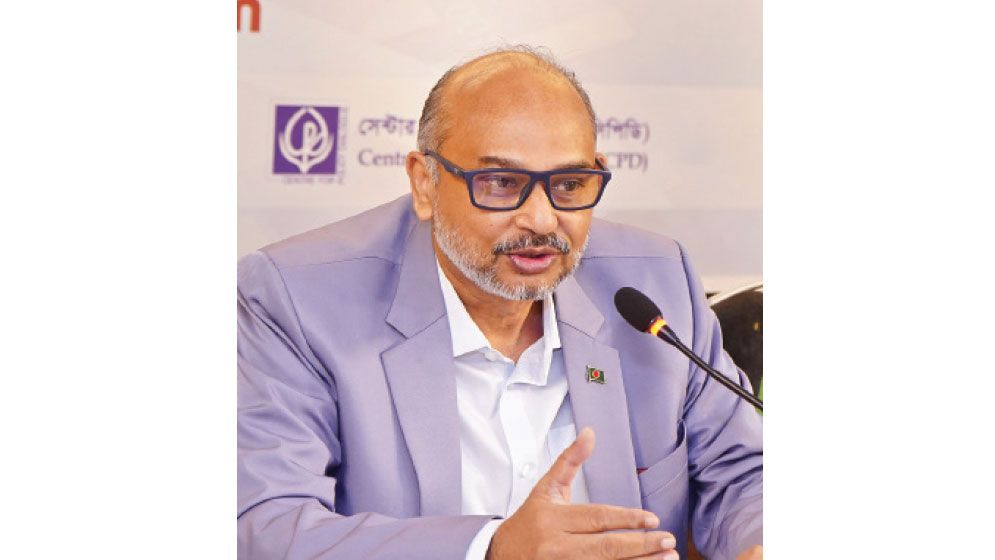
The government is set to shift from a consumption-driven growth model to an investment-led, sustainable economic trajectory, Prime Minister’s Economic Affairs Adviser Dr Rashed Al Mahmud Titumir said.
Speaking at a roundtable on the new government’s development priorities on Wednesday, he said the administration’s mandate rests on five pillars, including state reform, equitable socio-economic development and restoring stability to what he described as a fragile economy.
A build-up of debt between 2009 and 2024, he noted, created macroeconomic pressure, prompting a focus on curbing wasteful expenditure and reforming revenue management.
To improve transparency in social protection, the government will introduce a “One Citizen, One Card” system under a Digital Public Infrastructure framework to integrate public services and databases.
“No public service will be delivered outside digital platforms,” he said, adding that the move would reduce leakages and strengthen accountability.
On LDC graduation, Titumir stressed boosting productive capacity, export diversification and competitiveness.
He also said steps have been taken in the energy sector to renegotiate contracts and reduce system losses to lower the annual Tk60,000 crore subsidy burden.
Governance and banking concerns
Centre for Policy Dialogue Executive Director Dr Fahmida Khatun said recovery requires transparency, accountability and good governance.
Ongoing Asset Quality Reviews are revealing the extent of non-performing loans (NPLs), which stood at 35.7% in September before declining in December following large-scale rescheduling.
She called for reducing defaulted loans, recovering laundered assets and safeguarding Bangladesh Bank’s independence.
Better coordination between monetary and fiscal policies, along with stricter market monitoring, is also needed to tackle supply-driven inflation, she said.
Foreign exchange reserves have begun to stabilise, supported by a 21.76% rise in remittance inflows during July-January, she added, urging export diversification beyond ready-made garments.
Private sector worries
Business leaders expressed concern over banking fragility and energy shortages.
ICC Bangladesh Vice President AK Azad said the average NPL rate stands at 30.60%, nearing 50% in state-owned banks, and warned that recovery is impossible without action against wilful defaulters.
He noted government borrowing has risen by 32.19%, while private sector credit growth remains around 6.1%. Gas shortages are also hampering investment, with thousands of industrial units awaiting connections.
Azad suggested shifting household gas supply to LPG to prioritise industry and reducing non-productive public expenditure.
Revenue collection has fallen short by Tk36,000 crore in six months, while GDP growth declined from 4.22% to 3.97% in the last fiscal year.
Participants agreed that restoring macroeconomic stability, strengthening governance and ensuring an investment-friendly climate are essential for sustainable growth amid global uncertainties.