


 For all latest news, follow the Daily Sun's Google News channel.


PM calls for united efforts to build a better Bangladesh
BSS, Tokyo
Published: 28 Oct 2026, 08:54 PM
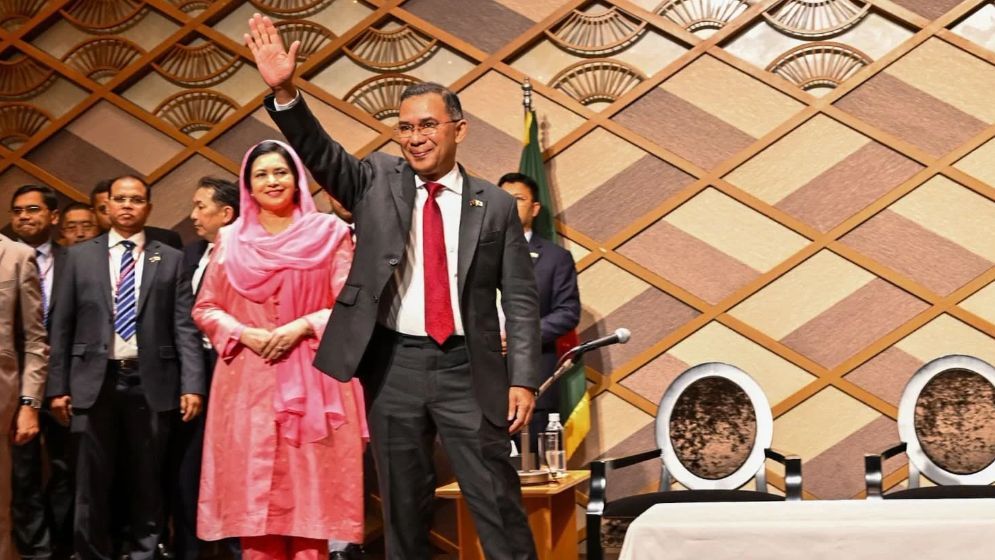
Photo: PMO
Prime Minister Tarique Rahman on Wednesday called on expatriate Bangladeshis and people living at home to work together for the country’s development and the welfare of its people, saying that a better Bangladesh would benefit all citizens, both at home and abroad.
“Our first plan is to do something good for the country. Whether we live at home or abroad, wherever we are, we should try to do whatever we can to benefit the country and its people,” he said while exchanging views with members of the Bangladeshi community in Japan at Hotel New Otani in Tokyo this evening.
His wife, Zubaida Rahman, was present at the meeting.
Reiterating his call for collective efforts for national development, the prime minister said Bangladeshis living abroad remained citizens of the country and had opportunities to contribute to its progress.
He stressed the need for joint efforts to strengthen the economy, education, healthcare and workforce skills, urging everyone to work from their respective positions for the welfare of the people.
Responding to questions from expatriate Bangladeshis about various issues, Tarique Rahman outlined the government's plans to improve education and healthcare, develop a skilled workforce and expand Bangladeshis' participation in Japan's labour market.
Emphasising the importance of developing a skilled workforce for Japan, the prime minister said Bangladeshi workers should receive proper training, Japanese-language education and an understanding of Japanese culture before being sent to the country.
Such preparation would help strengthen Bangladesh's position in Japan's labour market and sustain the acceptance of Bangladeshi workers there in the long term, he added.
On engaging expatriate Bangladeshis proficient in Japanese as language instructors in the country, Tarique Rahman said interested individuals should also come forward.
He noted that a recruitment notice for Japanese-language teachers had attracted fewer applications than expected.
Expatriates skilled in Japanese could contact the Ministry of Education or the Ministry of Expatriates' Welfare and Overseas Employment to explore possible initiatives in this regard, he said.
On education, the prime minister said the government was prioritising a stronger foundation in primary education while planning to introduce a third language alongside English to expand students' opportunities for higher education and employment.
“Opportunities will be created to learn Japanese, German, French and several other foreign languages. Students will be able to choose a language according to their preferences.”
He said planning for the initiative had already begun, expressing hope that schools could start offering Japanese and several other foreign languages next year.
The government also wants to provide students with opportunities to participate in sports, arts and cultural activities alongside academic studies, he said, adding that technical and vocational education would receive priority.
Tarique said equipping students with foreign-language skills and opportunities to develop their abilities in sports and cultural activities would give them additional advantages in education and employment at home and abroad.
On healthcare, the prime minister said improving the quality of medical services was a major government priority, particularly to ensure access to essential healthcare for rural people, women and children.
“The government has planned to increase the number of beds in upazila health complexes from the existing 50 to 150 each over the next five years.”
Initiatives would also be taken to introduce dialysis services at the upazila level and expand specialised healthcare for women and children, he said, expressing hope that these measures would reduce the need for rural patients to travel to district and divisional cities for advanced treatment.
Noting the heavy patient burden at major hospitals, Tarique said strengthening healthcare services at the grassroots level would ease pressure on larger hospitals and help ensure better treatment for seriously ill patients.
He also announced plans to recruit 100,000 health workers to raise health awareness at the village level, with women accounting for at least 80% of the proposed workforce.
The workers would visit households to promote healthy lifestyles and raise awareness about nutrition and the prevention of diabetes, heart disease and high blood pressure, he said.
The prime minister said greater emphasis on preventive healthcare would help reduce the incidence of diseases and ease pressure on the country's healthcare system.
Japan unit BNP President Mir Rezaul Karim Reza chaired the event, which was attended by leaders and activists of different units of the party.