


 For all latest news, follow the Daily Sun's Google News channel.


Humaiun leaves for Azerbaijan, Iraq to deepen ties
BSS, Dhaka
Published: 13 Oct 2026, 08:30 PM
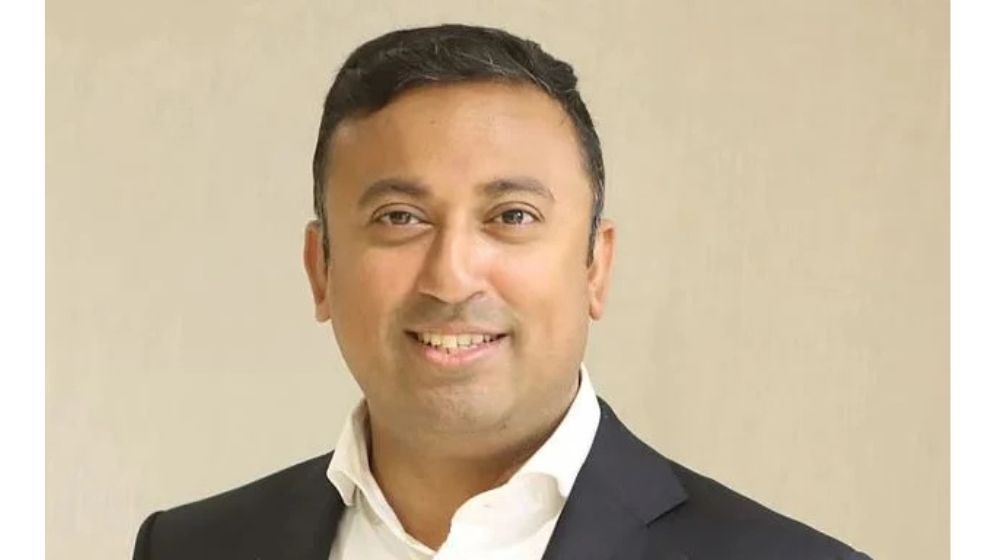
State Minister for Foreign Affairs Humaiun Kobir. File Photo
State Minister for Foreign Affairs Humaiun Kobir is set to visit Azerbaijan and Iraq this week as Bangladesh seeks deeper engagement with central Asia and stronger diplomatic cooperation with the Muslim world.
“I am going to Azerbaijan tonight. I will be there from 15
to 16 October,” he told journalists at the foreign ministry this afternoon and
disclosed the details of his upcoming overseas engagements.
The state minister said that he would participate in a
high-level gathering under the Conference on Interaction and Confidence
Building Measures in Asia (CICA) in Baku.
Kobir said that the gathering would bring together foreign
ministers and senior officials dealing with foreign affairs, security and
related policy issues.
Highlighting the strategic importance of the visit, Kobir
said Bangladesh now needs to develop greater engagement with central Asia,
describing the region as a new space and dimension for the country’s foreign
policy outreach.
“Central Asia is a new space and dimension from the foreign
policy projection point of view, and we are building engagement there,” he
said.
He also said that Bangladesh sees considerable scope for
expanding political, economic and strategic engagement with the central Asian
countries as Dhaka seeks to diversify its external relations.
Following his Azerbaijan engagement, Kobir said he would
travel to Baghdad to attend a meeting of foreign ministers of the Organisation
of Islamic Cooperation (OIC) on 17 October.
“I will participate and lead the delegation on behalf of our
government,” he said.
The state minister will also deliver a statement on behalf
of Bangladesh at the OIC meeting.
Kobir said Bangladesh attaches importance to the Baghdad gathering at a time when significant geopolitical changes are taking place across the Middle East.
Referring to Iraq’s transformation after decades of conflict and instability, he said a new horizon for development and international engagement was emerging in the country.
“Baghdad is an interesting place to be at this time. After going through turbulent times over the last 20 years, a new space of opportunity and engagement has opened up,” he said.
He said Bangladesh would explore possibilities for further engagement with Iraq as well as the wider region as countries affected by prolonged instability gradually enter a new phase.
Kobir underscored Bangladesh’s strong interest in peace and stability in the Middle East, noting that the region is home to a huge number of Bangladeshi expatriate workers.
“Peace and stability in the Middle East are of interest to Bangladesh. We have nearly eight million workers there and a very large workforce,” he said.
Their safety, welfare and wellbeing remain among the
government’s highest priorities, particularly amid conflicts and security
threats in different parts of the region, he added.
The state minister said instability in the Middle East could
have implications not only for Bangladeshi expatriates but also for the
country’s economic and energy interests.
He said numerous diplomatic and informal channels were
currently engaged in efforts to find peaceful solutions to regional conflicts.
“Many stakeholders are formally and diplomatically engaged
to bring about a peaceful resolution. There are also informal and back-channel
discussions,” he said.
Kobir said Bangladesh, with its longstanding experience and
internationally recognised role in UN peacekeeping, would positively consider
any proposal to contribute to safeguarding peace and stability in the Middle
East.
“We will always positively consider any proposal that comes
to Bangladesh to participate in safeguarding peace and stability in the Middle
East and beyond,” he said.