


 For all latest news, follow the Daily Sun's Google News channel.


Yunus-era US deal could make governing extremely difficult: Habib
Daily Sun Report, Dhaka
Published: 17 Sep 2026, 08:06 PM
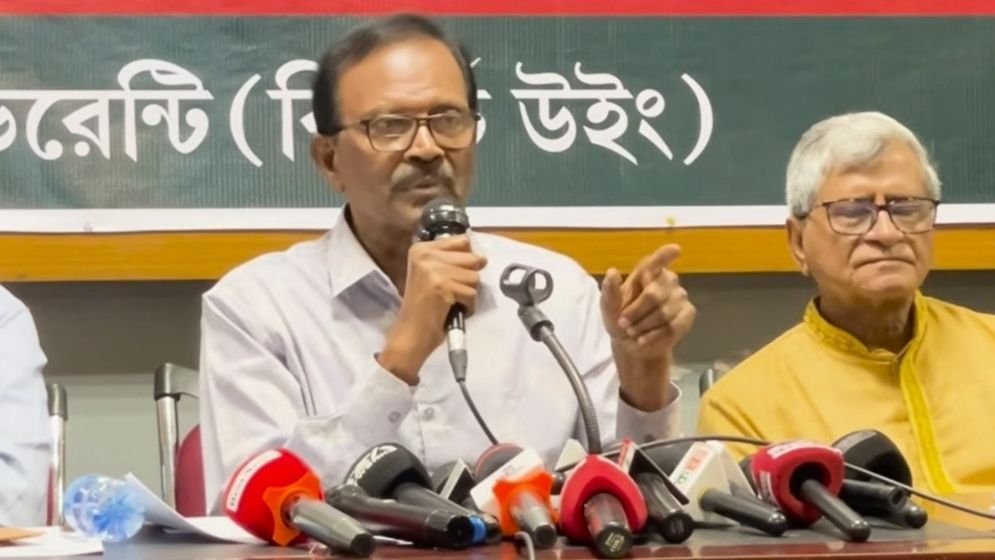
Photo: Collected
BNP Chairman’s adviser and Pabna district BNP convener Habibur Rahman Habib has said an agreement signed with the United States by the former interim government led by Professor Muhammad Yunus could make it extremely difficult for any government to run the country.
He made the remarks at a discussion at the
National Press Club in Dhaka on Wednesday afternoon.
Habib said he had strongly protested the
former interim government’s plan to hand over the operation of Chattogram Port,
questioning why an unelected interim administration would take such decisions.
“Whatever good government comes to power, governing
the country will be extremely difficult because of this agreement,” he said,
referring to an agreement with the United States signed on 9 February, three
days before the 12th parliamentary election.
He claimed that Bangladesh would need US
approval to purchase weapons for national sovereignty under the agreement.
“Many food items have to be imported. We will
have to buy them at prices they determine,” he said, adding that there were
many other provisions that could put pressure on Bangladesh.
Habib also opposed handing over Chattogram
Port to any foreign entity, saying the operator would deduct its operational
costs and profit before paying Bangladesh.
“As a result, our revenue will naturally be
lower. A huge amount of dollars will leave the country through this port
because payments to them will have to be made in dollars,” he said.
The BNP leader said the current government
was elected by the people and would not compromise the country’s interests.
He also said Bangladesh was now able to stand
more confidently in the international arena and claimed that other countries
had started showing greater respect for the country.
Referring to India, Habib said the previous
government had been eager to visit the neighbouring country, while India was
now eager to bring the current government to its side.
He alleged that India was trying to impose
new conditions but said the elected government would not bow to New Delhi.