


 For all latest news, follow the Daily Sun's Google News channel.


Mahfuj Alam criticises alleged use of far-right groups in politics
Mahfuj further alleged that over the past two years, far-right groups had been nurtured by political actors
Daily Sun Report, Dhaka
Published: 06 Jul 2026, 07:34 PM
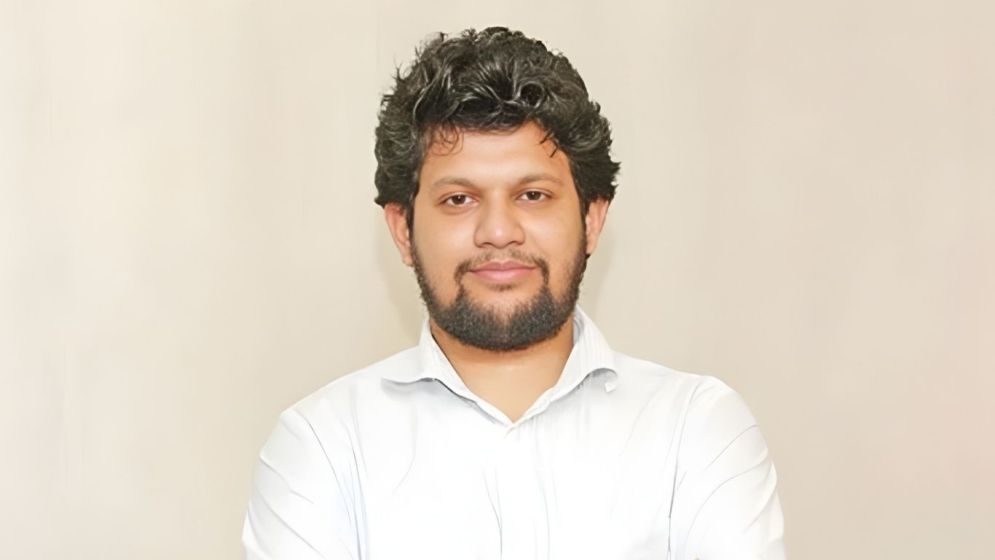
Former interim government adviser Mahfuj Alam. File Photo
Former adviser to interim government Mahfuj Alam has alleged that far-right groups were used for political purposes and later abandoned after serving their role, making the claims in a strongly worded social media post on Monday.
In the post, titled "Game Over, Khoda
Hafez!", Mahfuj criticised what he described as the use of extremist
elements as "mercenaries" in incidents of mob violence, including
attacks on shrines, newspaper offices, and cultural institutions.
He claimed that certain right-wing political actors
had relied on far-right groups to achieve electoral objectives but were now
distancing themselves from those elements after the political process had ended.
Mahfuj further alleged that over the past two years,
far-right groups had been nurtured by political actors and had attempted to
portray the July uprising as an exclusively "Islamic,"
"traditionalist," or "revivalist" revolution. According to
him, this narrative contributed to growing disillusionment with the July
movement among secular and Liberation War-minded sections of the middle class.
The former adviser said he had been speaking out
against what he described as far-right vigilantism and "digital mob"
activities since early last year and claimed that doing so had exposed him to
harassment and coordinated attacks.
Concluding his post, Mahfuj warned that "the
days ahead are a time of reckoning for everyone," suggesting that those
responsible for encouraging such activities would eventually be held
accountable.
His remarks have sparked renewed discussion on
social media over political polarisation, extremist groups, and the legacy of
the July uprising.