


 For all latest news, follow the Daily Sun's Google News channel.


Environment protection a top govt priority: Mintoo
Daily Sun Report, Dhaka
Published: 25 Jun 2026, 02:40 PM
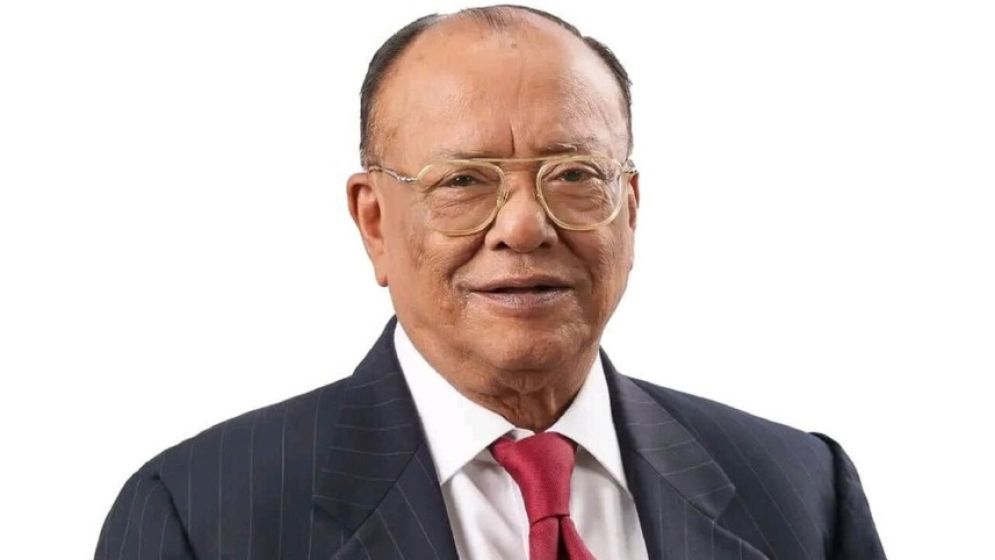
Environment, Forest and Climate Change Minister Abdul Awal Mintoo. Photo: Collected
Environment, Forest and Climate Change Minister Abdul Awal Mintoo on Thursday said environmental protection remains a key priority of the government mentioning that the Prime Minister personally follows environmental issues across the country and places strong emphasis on conservation and greening initiatives.
Speaking at a seminar titled “Commitment to Protect the Overall Environment of the Country” organised by Poribesh Unnayan Sangstha Bangladesh at the National Press Club, the minister said the Prime Minister’s commitment to environmental issues extends beyond policymaking and is reflected in close monitoring of activities ranging from tree plantation programmes to local environmental conditions.
Referring to the Prime Minister’s recent visit to China, he said environmental issues featured prominently in his discussions at the World Economic Forum meeting and added that he remains actively engaged in tracking environmental initiatives across Bangladesh.
The minister said that the Prime Minister’s attention to environmental matters often exceeds that of the ministry itself and cited examples of his direct intervention regarding local environmental concerns.
He said protecting the environment alone is not enough and stressed the need to focus equally on environmental improvement.
Calling for collective action, he said government efforts must be supported by citizens, civil society and environmental organisations to ensure sustainable environmental management and a healthier future for the country.
The minister said Bangladesh continues to face multiple environmental challenges, including air pollution, water pollution, noise pollution and environmental degradation caused by rapid urbanisation and population pressure.
Referring to the country’s environmental condition, he said environmental improvement would not come automatically and requires coordinated efforts from government institutions, civil society and citizens.
Highlighting the impact of brick kilns, the minister said one of the major concerns is soil degradation, as conventional brick production depends heavily on agricultural topsoil and reduces land fertility.
He said although there are legal provisions to phase out traditional brick kilns, alternative solutions must be developed before fully discontinuing them. These include promoting automated brick technologies and expanding the use of block-based construction materials to reduce environmental damage.
The minister also stressed the importance of increasing greenery and preserving natural resources, noting that environmental conservation should not be limited only to forests but should include trees and green spaces across the country.
He said Bangladesh contributes only a small share of global carbon emissions but remains among the countries most vulnerable to climate change impacts. Therefore, adaptation and environmental protection remain national priorities.
Referring to constitutional obligations, he said Article 18A of the Constitution mandates the state to protect and improve the environment and preserve natural resources, biodiversity, wetlands, forests and wildlife for present and future generations.
The minister said the government has already implemented several laws and regulations, including the Environment Conservation Act, 1995, and the Environment Conservation Rules, 2023, to strengthen environmental governance.
He added that the government has undertaken initiatives to reduce plastic pollution, improve waste management and enhance climate resilience under long-term national adaptation plans extending to 2050.
Calling for broader social engagement, the minister said protecting the environment is a shared responsibility and urged all stakeholders to contribute actively toward building a cleaner, healthier and more sustainable future for Bangladesh.