


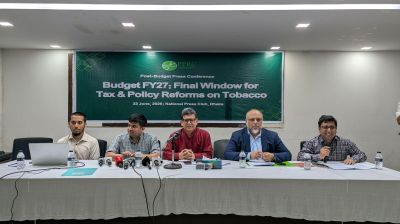
 For all latest news, follow the Daily Sun's Google News channel.


PROGGA calls for higher health budget allocation for NCD control in Bangladesh budget 2026–27
Daily Sun Report, Dhaka
Published: 23 Jun 2026, 03:13 PM
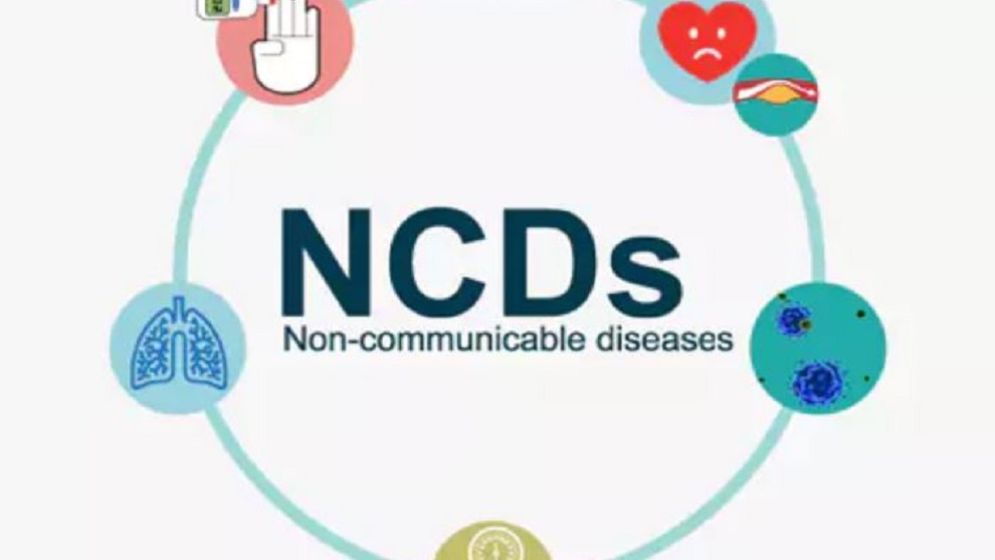
Health advocacy organisation PROGGA has called for a greater share of the proposed national health budget for the 2026–27 fiscal year to be directed towards controlling non-communicable diseases (NCDs), particularly hypertension, as Bangladesh records a rising burden of chronic illnesses.
The proposed national budget for 2026–27 marks a significant shift in public health financing, with the health sector allocation increased to 7.4 percent of the total national budget—up from a long-standing average of around 5 percent.
In terms of economic output, the allocation now stands at 1.01 percent of GDP, compared to just 0.58 percent in the previous fiscal year. Public health experts have described the increase as a positive and necessary step towards strengthening Bangladesh’s healthcare system, though they stress that efficient prioritisation will be crucial for impact.
Despite the budget increase, experts warn that non-communicable diseases remain severely underfunded. NCDs currently account for 71 percent of all deaths in Bangladesh, yet only 4.2 percent of the total health budget is allocated for their prevention and control.
According to the Health and Morbidity Status Survey 2025 by the Bangladesh Bureau of Statistics (BBS), hypertension has emerged as the leading disease among the country’s top ten health conditions.
Hypertension is also a major risk factor for cardiovascular disease, stroke, kidney failure and other chronic illnesses.
A 2025 report by the World Health Organization (WHO) estimates that 283,800 people died from cardiovascular diseases in Bangladesh in 2024, with hypertension contributing to 52 percent of those deaths.
Health economists note that investments in early detection and treatment of hypertension offer significant economic returns. Research indicates that every Tk1 invested in hypertension screening and treatment can generate up to Tk18 in overall benefits through reduced healthcare costs and improved productivity.
However, inadequate funding has led to persistent gaps in service delivery, including inconsistent availability of anti-hypertensive medicines at primary healthcare facilities across Bangladesh.
Responding to the proposed budget, ABM Zubair, Executive Director of PROGGA, emphasised the need for targeted spending within the expanded health allocation.
“A significant portion of the increased health budget should be invested in addressing hypertension and other non-communicable diseases. Ensuring the availability of hypertension medicines at all grassroots-level healthcare facilities would substantially reduce the burden of non-communicable diseases,” he said.