


 For all latest news, follow the Daily Sun's Google News channel.


Govt aims to turn brain drain into brain circulation: Mahdi Amin
A proposed ‘Expatriate Card’ system to help track Bangladeshis working abroad under a structured framework, he says
Daily Sun Report, Dhaka
Published: 13 Jun 2026, 09:27 PM
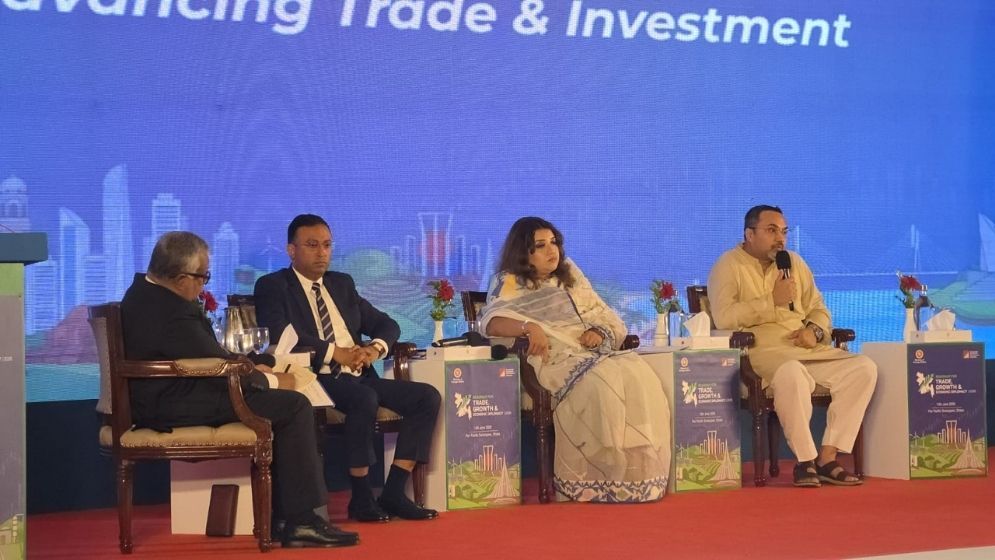
Photo: Courtesy
Prime Minister’s Adviser Mahdi Amin has said that the government aims to transform the country’s long-standing “brain drain” into “brain circulation” by utilising the skills and expertise of expatriate Bangladeshis.
“We
want to ensure that expatriates living in different countries can play a more
active role. We aim to transform the historical brain drain into brain
circulation, where overseas Bangladeshis contribute directly to national
development,” he said.
He
made the remarks on Saturday while speaking at a conference titled “Trade,
Economic Growth and Economic Diplomacy Action Plan” held at a city hotel.
The
event was organised by the Ministry of Foreign Affairs and the Bangladesh
Investment Development Authority (BIDA).
Mahdi Amin, who also serves as a spokesperson for the Prime Minister’s Office, said the government’s focus had initially been on blue-collar employment abroad but future plans include expanding opportunities for white-collar professionals as well.
He
added that expatriates would be encouraged to return, invest in Bangladesh, and
transfer their knowledge, experience and technological expertise into the
country’s economic ecosystem.
“If we can support them with the right
policies and tools, it will help realise Bangladesh’s global aspirations,” he
said.
Referring
to the history of overseas employment from Bangladesh, Mahdi Amin said labour
migration began during the tenure of former President Ziaur Rahman, while the
Ministry of Expatriates’ Welfare and Overseas Employment was established under
former Prime Minister Khaleda Zia.
He
further said that structured migration, skill development and market
diversification are central to the government’s vision. According to him,
future migration policy will focus on reducing intermediaries, ensuring
transparency and expanding destination countries.
The adviser said the government also aims to increase skilled
migration and promote greater female participation in overseas employment,
noting that women currently account for around 5% to 7% of annual migrant
workers.
He
stressed the need for diversifying labour markets, occupations and demographic
participation, adding that a proposed “Expatriate Card” system would help track
Bangladeshis working abroad under a structured framework.
Under the proposed system, the location of expatriates abroad could be identified and managed within a government database, he said.
He
said the government is also working to simplify visa application procedures,
including the introduction of verifiable QR-coded financial and educational
documents.
Mahdi
Amin said a new programme has already been introduced allowing students to
receive loans of up to Tk10 lakh for short-term courses or third-language
studies abroad.
He
added that demand assessments are being conducted in collaboration with the
Ministry of Foreign Affairs to align skills training with global labour market
needs.
Describing
migration as part of a broader ecosystem, he said Bangladesh must work closely
with destination countries to ensure safe, transparent and well-managed labour
mobility.