


 For all latest news, follow the Daily Sun's Google News channel.


Measles crisis in Bangladesh sparks call for international action
Daily Sun Report, Dhaka
Published: 06 Jun 2026, 01:18 PM
File Photo
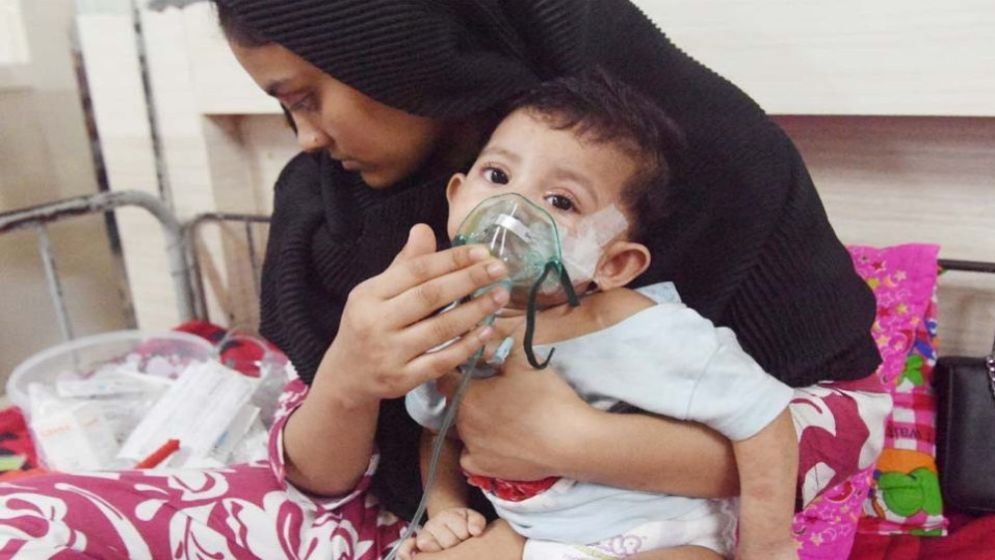
A growing measles outbreak in Bangladesh has triggered urgent calls for international attention, amid reports that tens of thousands of children have been infected and a rising number have died or suffered severe illness.
In a statement issued on 5 June 2026 by the Global Center for Democratic Governance (GCDG), Canada, expressed deep alarm over the worsening situation, describing it as both a public health emergency and a warning sign of weakened immunisation systems and failures in protecting vulnerable children.
The statement said families across the country were mourning the loss of children to a disease that is preventable through timely vaccination and effective public health interventions.
According to assessments by the World Health Organization, the outbreak has been fuelled by declining measles-rubella vaccination coverage, immunity gaps among children, disruptions in vaccine availability during 2024–2025, delayed government decisions, and the failure to implement a planned nationwide supplementary immunisation campaign in 2024.
The WHO has reportedly warned that continued transmission is likely unless immunity gaps are urgently addressed through high-quality vaccination drives and strengthened disease surveillance.
The statement highlighted several major concerns linked to the outbreak.
It said a significant number of children either missed vaccination completely or received only one dose of the measles vaccine. Children under the age of five reportedly account for 79 per cent of confirmed cases, while children under two account for 66 per cent and infants under nine months comprise 33 per cent of infections.
The statement noted that the outbreak had also affected infants too young to receive routine measles vaccination, leaving them dependent on strong community immunity for protection.
Concerns were also raised over disruptions in routine immunisation services. According to the statement, community-based vaccination and outreach programmes were severely affected during an extended period of workforce disruption, including a reported seven-month strike by community health workers.
It said these frontline workers play a vital role in identifying unvaccinated children, supporting routine immunisation efforts, conducting community outreach, and maintaining local surveillance systems.
The statement further cited vaccine supply shortages and programme management failures as major contributing factors. It referred to WHO findings that nationwide measles-rubella vaccine stock-outs during 2024–2025 significantly weakened vaccination coverage and increased the number of susceptible children.
Questions were also raised regarding vaccine procurement and outbreak management during the interim administration. The statement alleged that, despite repeated warnings from UNICEF about growing immunity gaps and the risk of a large-scale outbreak, measles vaccination did not receive adequate priority.
It further claimed that experienced immunisation experts were not fully involved in key decision-making processes and that authorities deviated from established procurement systems, resulting in delays in vaccine procurement and deployment during a critical period.
The outbreak has reportedly had a disproportionate impact on young children, residents of urban informal settlements, hard-to-reach populations, and other vulnerable communities.
In response to the crisis, the statement urged international public health institutions, child rights organisations, human rights bodies, development partners, parliamentarians, and global civil society networks to support an independent and transparent assessment of the outbreak and the effectiveness of the response.
It also called for international support to restore routine immunisation services, strengthen vaccine supply systems, identify and vaccinate missed children, improve accountability and evidence-based decision-making, and mobilise technical and financial assistance to prevent further loss of life.
“Every child has the right to protection from vaccine-preventable diseases,” the statement said, adding that the outbreak should serve as a call to action for all stakeholders committed to public health, child rights, and human dignity.
The statement concluded by saying that the people of Bangladesh deserve accountability, transparency, and a stronger health system capable of preventing similar crises in the future.