




 For all latest news, follow the Daily Sun's Google News channel.


Eastern Refinery faces closure risk amid supply disruptions
100,000-tonne crude shipment from Malaysia expected by 13 April; efforts underway to bring stranded Saudi vessel
Daily Sun Report, Dhaka
Published: 04 Apr 2026, 11:03 AM
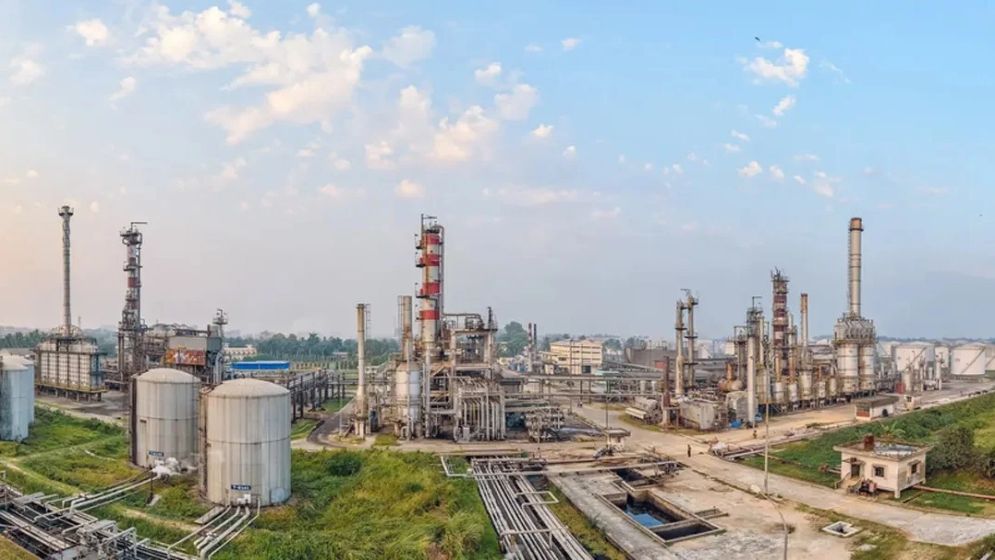
Bangladesh’s only state-owned oil refinery, Eastern Refinery PLC (ERL), is facing a potential shutdown due to a shortage of crude oil following more than six weeks without fresh supplies. Officials warn that unless a new shipment arrives soon, refinery operations may have to be halted.
To avert the crisis, the Bangladesh Petroleum Corporation (BPC) is working to import 100,000 metric tonnes of crude oil from Malaysia as an alternative source. The shipment is expected to arrive by 13 April. Sources say that if the consignment reaches on time, the refinery may continue operating without interruption.
BPC Chairman Rezwanur Rahman said all efforts are being made to keep the refinery running. “We are in the process of importing 100,000 tonnes of crude oil from Malaysia. Once the letter of credit is opened within the next couple of days, a vessel will be chartered. If everything proceeds as planned, we hope the shipment will arrive between 10 and 13 April. In that case, we may not need to shut down Eastern Refinery,” he said.
He added that efforts are also underway to bring in the crude-laden vessel Nordic Pollux, currently stranded in Saudi Arabia due to the ongoing Middle East conflict. The ship is believed to be carrying around 100,000 tonnes of crude oil.
Typically, ERL imports crude from Saudi Arabia and the United Arab Emirates. However, due to the current disruption, authorities are seeking alternative sources such as Malaysia to stabilise supply.
Sources said the last crude shipment—approximately 100,000 tonnes—arrived on 18 February. No further consignments have reached the country since then. Following the escalation of conflict in the Middle East on 28 February, shipping through the Strait of Hormuz—a vital global oil corridor—has been disrupted. Nearly 20 per cent of the world’s fuel supply passes through this route, including Bangladesh’s crude imports.
BPC usually imports three shipments of crude every two months for ERL. However, two scheduled consignments could not be delivered due to the crisis, leading to the current shortage. The refinery processes around 4,100 to 4,200 tonnes of crude per day. As of 30 March, its crude stock stood at about 30,000 tonnes—sufficient to sustain operations until 7 April, according to an official at the time.
Another source indicated that the refinery is now reducing daily processing rates to stretch the remaining stock for a few more days. Attempts to contact ERL Managing Director Sharif Hasnat for comment were unsuccessful.
Commissioned in 1968, the Patenga-based refinery in Chattogram has an annual refining capacity of approximately 1.5 million tonnes. In addition to diesel, it produces 13 types of fuel and by-products, including LPG, furnace oil, petrol, kerosene, naphtha and bitumen.
Industry insiders warn that a shutdown of ERL would put additional pressure on the country’s energy security. The refinery meets around 20 per cent of national fuel demand, which stands at roughly 6.8 million tonnes annually. As crude oil is cheaper than refined fuel on the global market, a halt in refining would force Bangladesh to increase imports of refined petroleum products, likely raising costs.
ERL General Manager (Development and Control) Mohammad Tajul Islam said current stock could sustain operations until 10–12 April. “If the Malaysian shipment arrives within that timeframe, a shutdown may be avoided. However, if there is a delay, the plant may have to be closed for a short period,” he said, adding that such temporary closures are not unusual, as the refinery is routinely shut down for maintenance for one to two months each year.
Source: Bangladesh Pratidin