


 For all latest news, follow the Daily Sun's Google News channel.


Beyond the Boundaries of Birth Defects: The Possibility of a New Life Through Plastic Surgery
Professor Dr. Aiyub Ali
Published: 25 Nov 2026, 10:31 AM
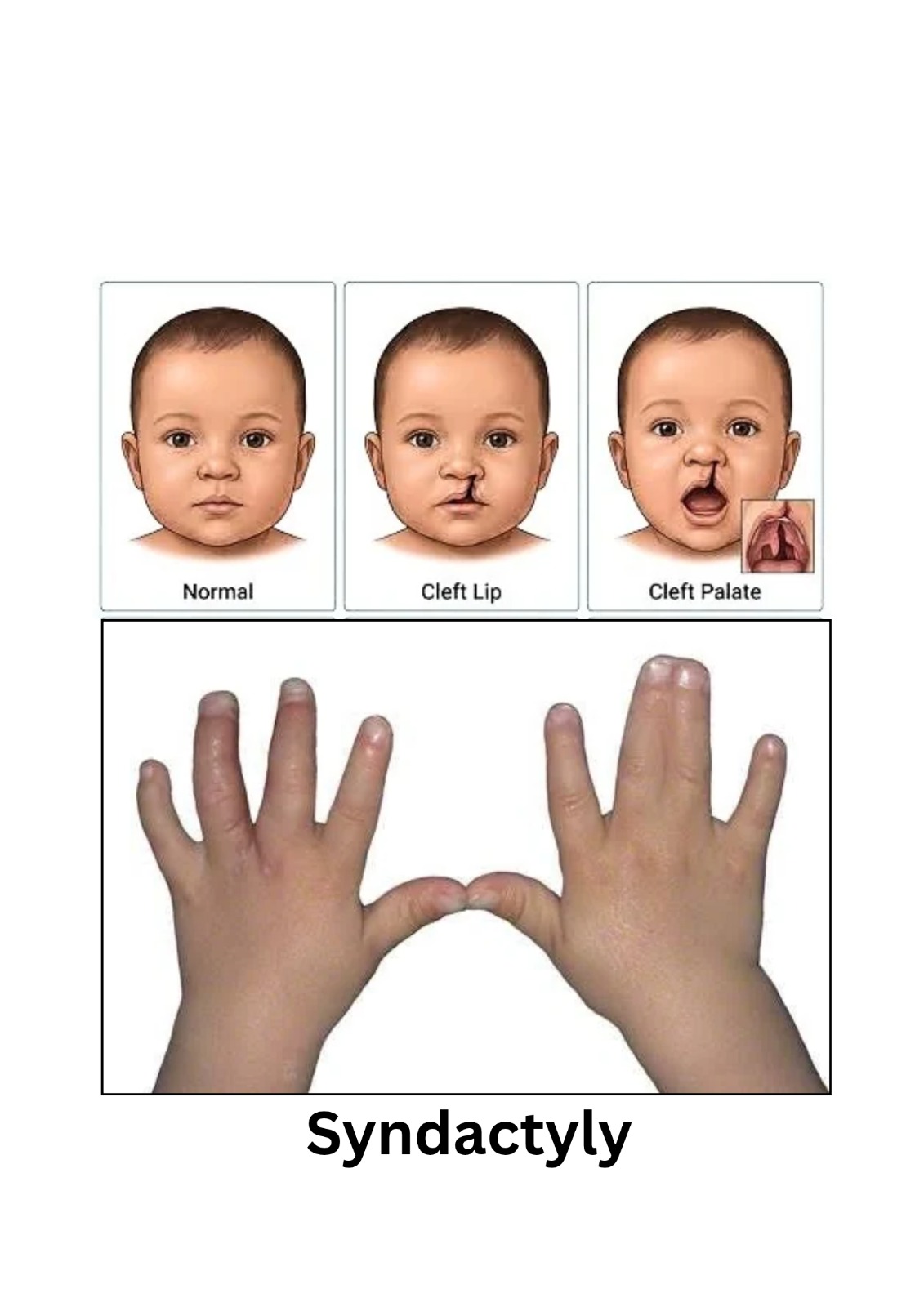
The birth of a child signifies a new rainbow of dreams in the sky of a family. However, if that child is born with a congenital physical anomaly, the anticipation is often replaced by unknown anxiety, silent pain, and societal questioning. Whether it is a cleft lip, a cleft palate, syndactyly (webbed fingers), an absent ear, or variations in facial or body structure—sadly, it is true that in our society, these children are still often surrounded by superstition, curiosity, or negative comments, which create deep wounds in a child's tender mind.
Yet, the question is very simple: Is being born with a congenital defect a child's fault or sin? Absolutely not. Congenital physical defects are neither a curse nor the result of any invisible sin. It is a reality of embryological development within medical science—a large portion of which can be effectively corrected through modern medicine and reconstructive plastic surgery. With timely, scientific medical treatment, these children can also enjoy a normal childhood, self-confidence, and a bright future.
Why Do Birth Defects Occur?
In medical science, variations in physical structure or function that occur during a baby's formation in the womb are termed congenital anomalies or birth defects. Factors behind this can include genetic mutations, family history, environmental influences, certain infections during pregnancy, the use of specific medications, maternal uncontrolled diabetes, or nutritional deficiencies. Often, a combined effect of multiple factors is at play; in many cases, no specific cause can be identified.
Therefore, blaming the mother for a child's birth defect is completely irrational and inhumane. By seeking medical advice prior to conception, taking necessary folic acid, maintaining a balanced diet, controlling diabetes, and avoiding high-risk medications, the risk of many congenital issues can be reduced.
Diverse Problems, Scientific Solutions
The scope of congenital anomalies is quite broad. Cleft lip and palate are among the most well-known examples. Additionally, syndactyly (webbed fingers or toes), polydactyly (extra digits), microtia (congenitally absent or underdeveloped ears), hemifacial microsomia (incomplete development of one side of the face), clubfoot (talipes equinovarus), birthmarks, vascular anomalies, and cranial (skull) structural issues are also observed.
For each child, an individual treatment plan is required, considering the type of anomaly, its severity, physical capabilities, and age. In some cases, a single specific surgery is the primary solution, while in others, observation, medication, physiotherapy (physical therapy), or coordinated care from multiple specialists becomes necessary.
Plastic Surgery: The Science of Reconstructing Life
Hearing the term "plastic surgery" brings to mind concepts of only cosmetic enhancement or external beauty for many. In reality, the most sensitive and humane foundation of this branch is reconstructive surgery. Where an organ has remained incomplete due to natural causes or where normal function has been impaired, an attempt is made to restore form and function with the help of subtle techniques and medical science.
Restoring the natural structure of the lip after cleft lip repair, creating the path for eating and clear speech through cleft palate treatment, ensuring the normal grip and mobility of the hand by separating webbed fingers, or the reconstruction of an absent ear—all are included in this treatment. In complex cases, the team-based role of pediatricians, anesthesiologists, dentists, orthodontists, and speech therapists, alongside the plastic surgeon, makes a major difference in the patient's overall well-being.
The Importance of Timing and Staged Progression
Selecting the right time for the treatment of congenital anomalies is extremely important. Generally, cleft lip surgery is considered within 3 to 6 months of age, and cleft palate surgery between 9 to 18 months—although the timing is determined based on the child's weight, overall health, and the protocol of the medical center. For hand anomalies, the timing is decided by understanding which digits are involved, the condition of bones or nails, and how much function is affected. In complex structural defects, it may be necessary to proceed in stages.
Every child is different, so it is safest to rely on specialist physicians rather than rumors or unverified information.
The Light of Confidence in Anatomical Form
The true success of treatment is not limited to external changes. When a child smiles comfortably for the first time after surgery, gradually learns to speak their mind clearly after palate repair, or holds a pencil in their own hand to draw lines on paper after the separation of webbed fingers—a new life begins at that moment. In many cases, multiple stages, regular practice, and long-term care are required; yet, every small progression gradually brings the child into the mainstream of normal life. When they go to school, socialize with friends, and talk about their dreams, the humanistic meaning of reconstructive treatment is fulfilled.
Our Collective Commitment
Our country's government medical college hospitals, specialized centers, and private institutions have facilities for the treatment of congenital anomalies. Furthermore, through various humanitarian and charitable initiatives, many children from underprivileged families are also getting the opportunity for necessary surgeries. Yet, due to a lack of awareness, financial crises, and delays in reaching doctors, many still fall behind.
A congenital defect is not a child's identity or a limit to their potential. They need love, dignity, and timely medical care, not pity. Through the combination of science, skill, and humanity, may every child regain a normal childhood and fearless self-confidence—this is our collective expectation.
Author: Former Professor and Head of the Department, Plastic Surgery, BMU (Ex-PG Hospital), Dhaka.