


 For all latest news, follow the Daily Sun's Google News channel.


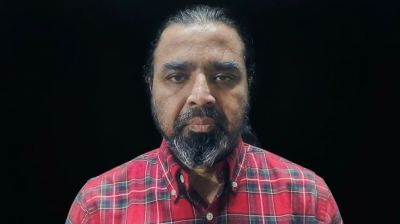
Sayeed Khokon arrested, remanded over July killing
Daily Sun Report, Dhaka
Published: 18 Nov 2026, 12:00 AM
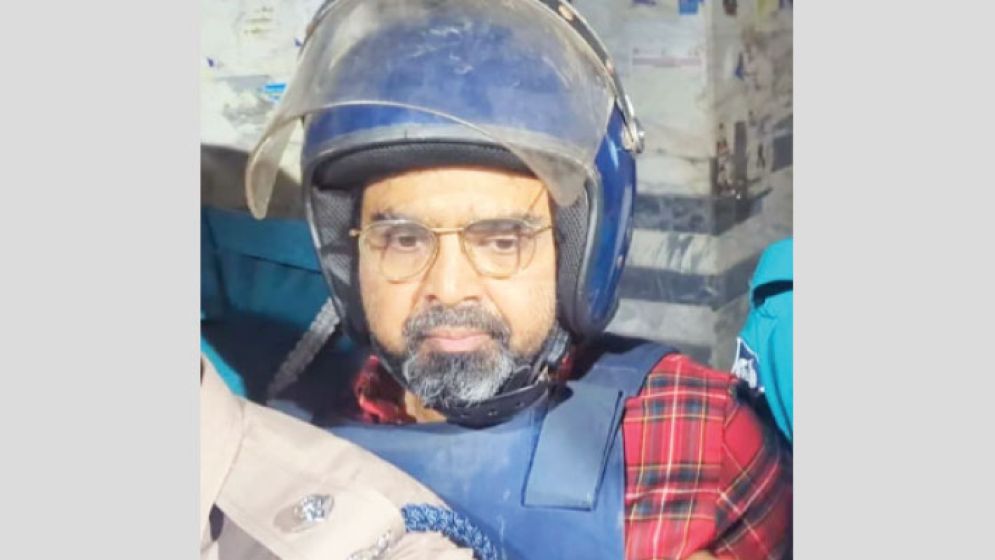
A Dhaka court on Tuesday placed Awami League leader and former Dhaka South City Corporation (DSCC) mayor Mohammad Sayeed Khokon on a seven-day remand in a murder case linked to the July uprising filed with Dhanmondi police station.
Dhaka Metropolitan Magistrate Mehedu Hasan passed the order after a hearing, said public prosecutor Omar Faruk Faruqui.
The Special Response Battalion (SRB) arrested Khokon around 7am
from a Baridhara house acting on a tip-off and handed him over to the Detective Branch (DB). DB sources said he had been frequenting the residence for three to four months but did not live there permanently. The DB had previously tried to arrest him.
In the evening, DB Inspector Md Sujan Haque, the case investigator, produced him before the court and sought a 10-day remand.
The prosecution argued that Khokon was directly involved in suppressing the 2024 student-mass uprising and, after the fall of the Hasina government, went into hiding and plotted to destabilise the country. The defence, including Advocate Abu Sayeed Sagor, countered that the FIR contained no specific allegation against him and that he had been implicated merely to harass him.
Filed on 26 August last year, the case names 176 accused, including ousted prime minister Sheikh Hasina and Khokon.
The complainant, Abdul Matin, alleged that on 4 August 2024, during the anti-discrimination student movement, sound grenades, tear gas shells, bombs, rubber bullets and live rounds were fired at protesters in front of Bank Asia, west of Jigatola bus stand in Dhanmondi. His 14-year-old son, Abdul Motalib, was shot in the chest and neck and died on the spot.
The remand application said preliminary interrogation indicated Khokon's involvement, alleging that he ordered and financed the supply of arms and harsh measures to suppress the movement. It further alleged that after the government's fall, he hid in different parts of Dhaka, organised flash processions and maintained contact with fugitive top leaders and activists to destabilise the country.