


 For all latest news, follow the Daily Sun's Google News channel.


Reconciliation with AL not bad idea, but difficult: Zahed
Govt may cut fuel prices if global oil market stabilises
Daily Sun Report, Dhaka
Published: 07 Oct 2026, 12:00 AM
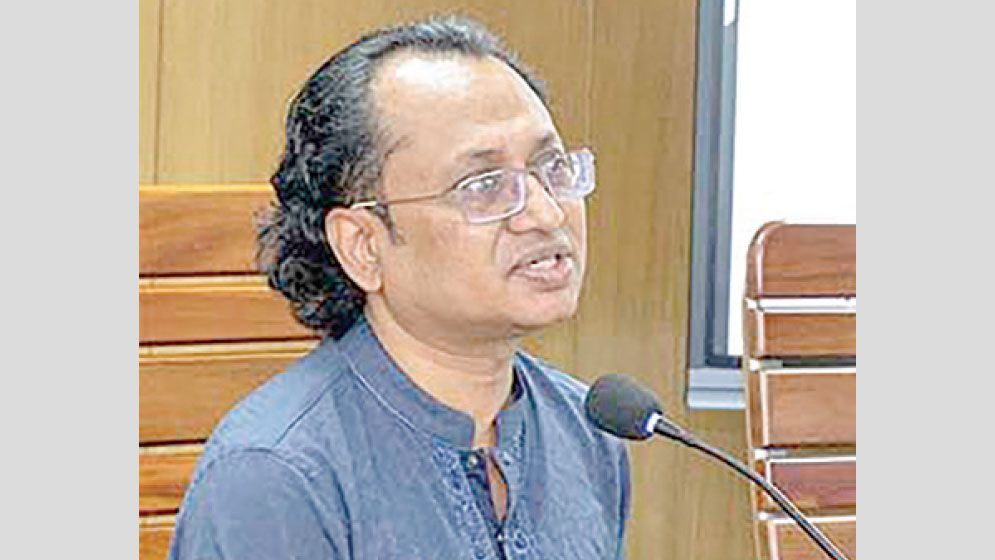
Prime Minister’s Information and Broadcasting Adviser Dr Zahed Ur Rahman said on Tuesday reconciliation with the Awami League (AL), whose political activities are currently banned, is not a bad idea, but initiating such a process remains difficult amid continued threats from the party’s leadership.
Speaking at his weekly press briefing at the Secretariat in Dhaka, Zahed said any reconciliation process must begin with the AL’s willingness to seek it and acknowledge its wrongdoing.
“Any reconciliation process must begin with the party’s willingness to seek it and acknowledge its wrongdoing, but the Awami League itself does not want it,” he said. “If the Awami League wants reconciliation, it must first meet the basic conditions. Only then can talks begin,” he said in response to a question.
He said the party and its chief had continued to blame and threaten the government since 5 August 2024, despite calls for reconciliation made at the Bay of Bengal Conversation in Dhaka on Monday.
Zahed said those who remain in Bangladesh, including active AL supporters, are citizens of the country, making reconciliation a positive option.
He also urged those who favour reconciliation to engage with the AL and help reach a decision on the matter.
On fuel prices, the adviser said the government would consider lowering domestic prices if global oil prices declined and remained stable at a lower level.
He said the government had previously adjusted fuel prices in line with international market trends to contain losses and offset higher global costs.
“If the global fuel oil price declines and remains stable in the international market, our government must consider its readjustment,” he said.
Zahed said stabilising commodity prices and resolving the fuel crisis were among the government’s top priorities. He added that lower fuel prices and a stable supply chain could help revive local and foreign investment, create jobs and ease inflationary pressure.
On battery-run auto-rickshaws and illegal electricity connections, he said the government had formulated a policy and warned that attempts to create disorder in the energy sector would be treated as criminal offences.
He said the government would make decisions on the Chattogram Port and Teesta Master Plan based on national interests.
On market monitoring, Zahed said mobile courts alone could not control inflation and that the government was focusing on strengthening supply chains.
He also said the rice allocation under the VGF programme would be increased from 10kg to 20kg to ease the hardship of low-income people.