


 For all latest news, follow the Daily Sun's Google News channel.


‘Power sector owes Tk56,000cr as fuel import costs climb by $2b’
Daily Sun Report, Dhaka
Published: 28 Apr 2026, 12:00 AM
Unpaid bills and soaring import costs are pushing the power and energy sector to breaking point, with outstanding dues to electricity producers reaching Tk56,000 crore and fuel import expenditure climbing by a further $2 billion.
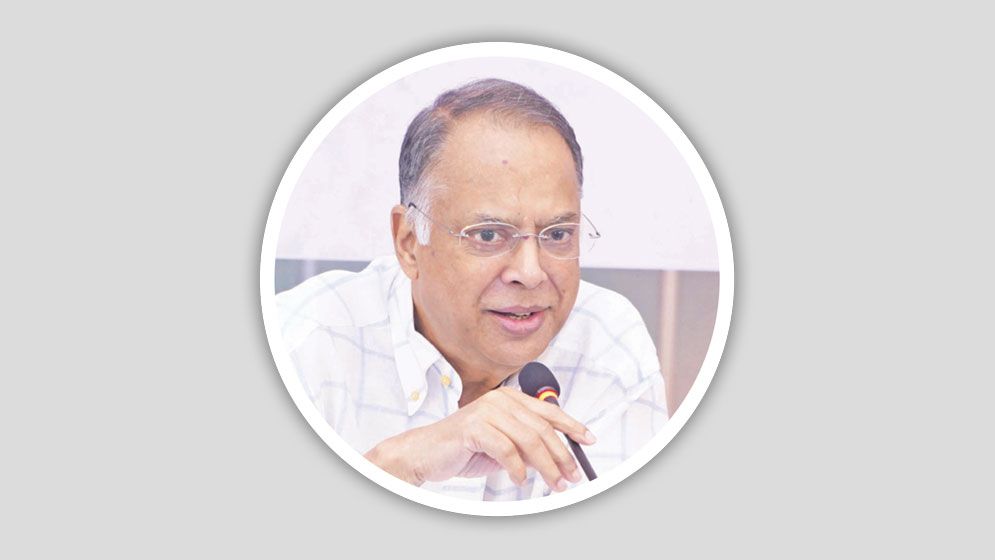
Power, Energy and Mineral Resources Minister Iqbal Hassan Mahmood Tuku disclosed the figures at a dialogue hosted by the Centre for Policy Dialogue (CPD) in Dhaka on Monday, warning that the debt pile had begun to choke the supply chain.
“Due to these outstanding dues, fuel imports have become challenging. We are working to clear the payments as quickly as possible,” he said.
The minister attributed the cost surge to sustained turbulence in global energy markets, which has sharply inflated Bangladesh’s import bill for coal and liquid fuels.
With arrears mounting, suppliers have grown reluctant to extend credit, leaving several power plants short of the fuel needed to run at full capacity – despite the country holding adequate installed capacity on paper.
The consequences are being felt directly by consumers.
Daily load shedding has hovered between 1,200MW and 1,500MW in recent weeks, exposing the widening gulf between electricity demand and actual generation.
The minister offered guarded hope that conditions could ease in the near term. Efforts to settle arrears and restart idle private plants are expected to bring load shedding down to between 800MW and 900MW within a week.
He also acknowledged that long-standing structural failings, including inadequate planning and prolonged shutdowns at certain facilities, had deepened the crisis.
On the longer horizon, the government is betting on solar energy to reduce the sector’s vulnerability to global commodity swings.
The minister restated a target of generating 10,000MW of solar power within five years, with idle land belonging to the railways and other state agencies earmarked for large-scale installations.
Newly emerged riverine land is also under consideration, while policy and tax incentives are being designed to bring in private investment.
Separately, a mechanism to allow households to sell surplus rooftop solar power back to the national grid is in the works.
Clearing the debt overhang and securing stable fuel supplies, the minister stressed, remain the immediate priorities before any structural recovery can take hold.