


 For all latest news, follow the Daily Sun's Google News channel.


Anu Muhammad alleges corporate lobbying in energy sector under interim govt
Daily Sun Report, Dhaka
Published: 01 Apr 2026, 12:00 AM
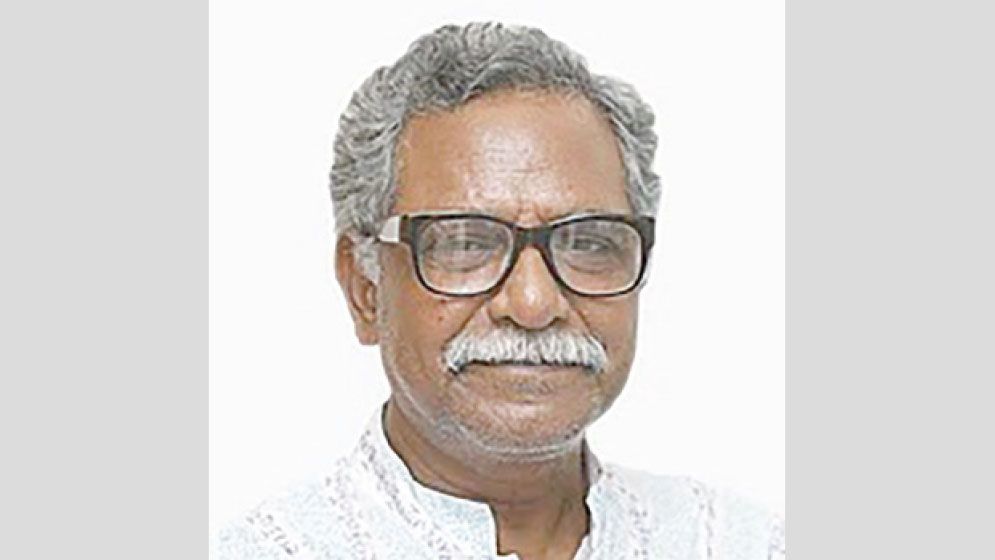
Economist Prof Anu Muhammad on Tuesday alleged that several advisers and special assistants of the immediate past interim government acted as corporate lobbyists in the power and energy sector.
He said such practices increased Bangladesh’s dependence on foreign firms and contributed to a costly, policy-driven energy crisis, now worsened by ongoing conflicts in the Middle East.
“A multinational company was effectively controlling them,” he said, adding that the country was being pushed into a cycle of financial and structural dependency.
He made the remarks at a roundtable titled “Fuel Sector Reforms and CAB’s 13-Point Demands” held at the CIRDAP auditorium in the capital. The event was organised by the Consumer Association of Bangladesh (CAB) and attended by economists, energy experts, politicians and rights activists.
Anu Muhammad said there had been expectations of democratic reform under the interim government, but those hopes were not fulfilled. Instead, he alleged, efforts were focused on striking deals with foreign companies.
He argued that the current energy crisis stems from policies that prioritised imports and foreign financing. “We cannot overcome this situation if we remain dependent on import-based and loan-driven agreements with foreign companies,” he said.
The economist pointed to the role of global financial institutions and development partners, including the World Bank, the International Monetary Fund (IMF), the Asian Development Bank (ADB) and the Japan International Cooperation Agency (JICA), in shaping Bangladesh’s energy framework.
He claimed that the country’s import-oriented electricity system was not accidental but the result of long-term planning. “It was part of a master plan, largely influenced by external actors,” he said.
Criticising past policy direction, he said authorities failed to prioritise national interests and public engagement while formulating energy strategies.
Referring to past global shocks, Anu Muhammad recalled the 1973 Arab-Israeli war and warned that similar geopolitical tensions were again exposing vulnerabilities in Bangladesh’s energy sector.
He also criticised “VIP culture” and said excessive privileges and consumption by elites worsen national crises.
Among others, ruling party lawmaker Ashraf Uddin Baqul, former adviser Farida Akhter and Communist Party of Bangladesh General Secretary Ruhin Hossain Prince also spoke at the discussion.