


 For all latest news, follow the Daily Sun's Google News channel.


OPINION
A promising start, an uncertain road ahead
Special Correspondent
Published: 29 Mar 2026, 12:00 AM
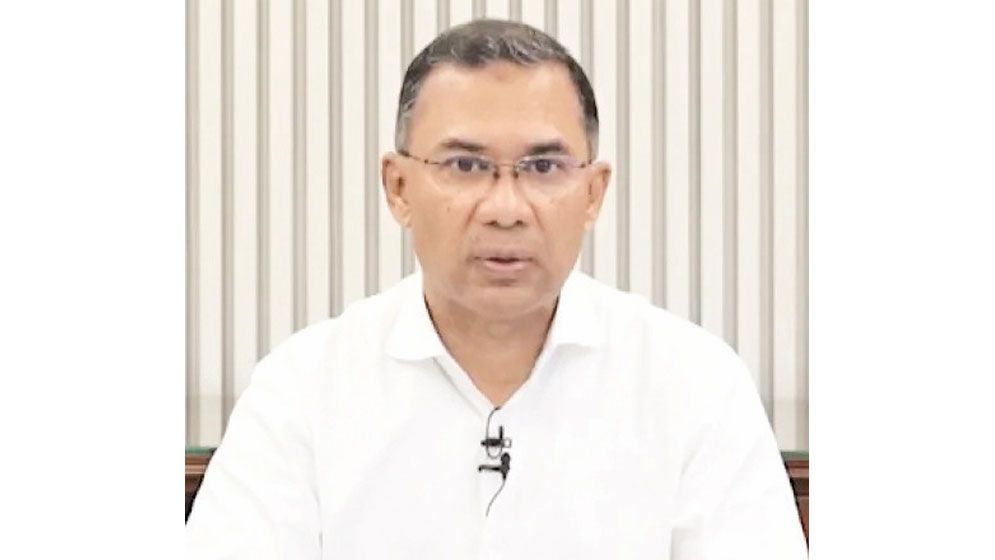
Prime Minister Tarique Rahman
After a long twenty-year hiatus, the Bangladesh Nationalist Party (BNP) has once again taken charge of the country. Following a landslide victory in the elections on 12 February, the party formed the government on 17 February. The BNP has assumed responsibility for the nation under challenging circumstances, embarking on its journey with new leadership, fresh pledges, and the immense pressure of public expectations.
A month has passed since the BNP government, led by Tarique Rahman, took office. While it is unfair to evaluate a five-year term based on just one month, the initial actions of a government are crucial. The beginning often indicates the direction and manner in which a government intends to move forward.
The start under Tarique Rahman’s leadership is undoubtedly promising. Immediately upon taking office, the government made several highly positive decisions that have built public confidence. Certain steps have fostered a belief among the people that this government intends to do good, signaling a commitment to accountability.
However, the government is simultaneously facing daunting challenges due to the conflict in Iran and the flawed policies of the previous interim administration. A difficult road lies ahead.
Positive initiatives in the first month
In its first month, the government took swift steps to implement electoral promises. Initiatives such as the introduction of Family Cards, Farmer Cards, and E-Health Cards, providing allowances to religious figures including Imams and Muezzins, waiving agricultural loans, launching canal-digging programs, and reducing public transport fares have been viewed positively. Efforts to control commodity prices have also provided some relief to the general public.
Prime Minister Tarique Rahman’s simple lifestyle, reduction of official protocol, and efforts to speed up administrative processes have become major talking points. The prime minister himself arriving at the Secretariat by 9am sends a clear message to all ministers and bureaucrats, resulting in increased administrative pace.
By breaking the long-standing tradition of closing roads and traveling with massive motorcades, and instead choosing to sit in traffic like common citizens, Tarique Rahman has managed to present himself as a “man of the people” within just a month. This is a significant achievement. Furthermore, meeting with opposition leaders after securing a parliamentary majority has sent a message of political harmony.
The prime minister has also set positive precedents, such as ensuring that members of parliament do not receive unsolicited benefits like duty-free cars and plots—a move highly appreciated by the public.
Decisive governance
The government’s ability to make quick decisions is a good sign. The swift removal of the controversial Bangladesh Bank Governor, Ahsan H Mansur, demonstrated that the government has no sympathy for incompetence. Similarly, the immediate transfer of the chief prosecutor of the International Crimes Tribunal following allegations of corruption proved that the government is not suffering from indecisiveness.
Diplomacy and foreign relations
The government has quickly defined its diplomatic priorities. India is Bangladesh’s largest and most important neighbor; while everything can be changed, neighbors cannot. During the interim government, a sense of hostility had developed with India, which caused significant damage to Bangladesh.
Under Tarique Rahman’s leadership, the BNP government has taken initiatives to normalise relations. Signs of the “ice melting” are visible in the decision to import fuel oil via the Bangladesh-India Friendship Pipeline. The previous interim government had pushed hostility to such an extreme that it prevented the Bangladesh cricket team from participating in the World Cup held in India—a decision viewed by many as reckless and immature. The BNP government is now working to improve bilateral ties, with the Foreign Minister scheduled to visit India on April 7.
Focus on sports and youth
The government has signaled a new era for sports, evidenced by the prime minister’s presence at a friendly football match on Independence Day. Accompanied by his daughter, Zaima Rahman, his presence underscored that sports is a priority. The Prime Minister announced plans to revive the “Notun Kuri” talent hunt program specifically for sports and expressed a desire to professionalize the sector by organising competitions from the union to the district level. He called upon the private sector and corporate houses to partner with the government to bring about a “revolutionary change” in sports.
Economic challenges and the shadow of the past
Despite these positive steps, dark clouds loom over the economy. The war in Iran has triggered a deep economic crisis shortly after the government’s formation. Furthermore, the economy suffered significant damage over the last year and a half under Dr Yunus’s interim administration. Thousands of factories closed, and hundreds of thousands became unemployed.
Mob violence and extortion (extortion by organised groups) left private entrepreneurs helpless. New investments stalled, and no new jobs were created. Prominent businessmen were harassed with false cases and “media trials” based on baseless allegations. Freezing bank accounts was seen as an attempt to stifle the private sector. Consequently, export earnings dropped, and the country survived on remittances and loans.
To emerge from this stagnation, the Tarique Rahman-led government must quickly regain the trust of the private sector. Visible steps are required:
1. Reopening closed factories.
2. Withdrawing false cases against businessmen.
3. Unfreezing the bank accounts of entrepreneurs.
4. Ending harassment in the name of corruption investigations.
5. Focusing on the future rather than past political affiliations.
6. Restoring discipline and public trust in the banking sector.
7. Completely eradicating “mob justice” and the culture of impunity.
8. Implementing a “Zero Tolerance” policy against extortion.
Internal coordination and credibility
While the first month showed promise, the “talkativeness” of certain ministers has caused public irritation. People do not want a return to the era of “loquacious ministers.” Statements suggesting that money collected by transport associations is “not extortion” must be reined in immediately.
There has also been a lack of coordination in communication, particularly regarding the fuel crisis, where different ministers have given conflicting statements. To maintain credibility, the government should appoint a single spokesperson to present its official stance.
Freedom of the press
The government must remain transparent and ensure media freedom. A free press is the government’s best ally in combating rumours and “information terrorism” on social media. Urgent steps are needed to withdraw false cases against journalists and allow media outlets to work independently
The election is over, but conspiracies have not ended. The global situation remains hostile, and the road ahead is not smooth. There is no “honeymoon period” for this government; it must prove its worth through results. The government’s greatest strength is the people’s trust, and to maintain that, it must remain accountable and face the upcoming crises alongside the citizens.