


 For all latest news, follow the Daily Sun's Google News channel.


What Is Black Friday and How Did It Become a Global Shopping Tradition?
From its origins in 19th-century America to today's worldwide shopping phenomenon, Black Friday has evolved into one of the biggest annual retail events
Md Mahmodul Haque, Nordic Correspondent
Published: 17 Nov 2026, 01:59 PM
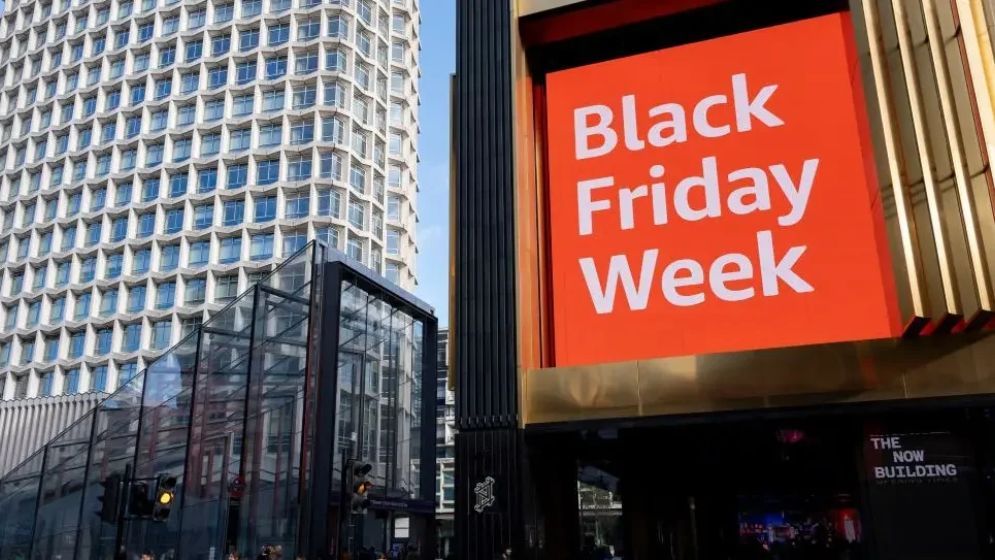
Photo: Daily Sun
Every November, shops and online retailers around the world launch major discount campaigns as millions of consumers look for bargains ahead of the Christmas season. Known as Black Friday, the annual shopping event has become a major part of the global retail calendar.
From electronics and household appliances to clothing, furniture and beauty products, retailers offer special promotions to attract customers. What began as a post-Thanksgiving shopping tradition in the United States has gradually spread to Europe and other parts of the world.
But how did Black Friday get its name? Where did the tradition originate, and how did it develop into an international shopping event?
What Is Black Friday?
Black Friday is an annual shopping event marked by significant discounts and promotional offers from retailers. It takes place on the Friday immediately after Thanksgiving in the United States, which is celebrated on the fourth Thursday of November.
The day traditionally marks the beginning of the Christmas shopping season in the United States. Consumers use the occasion to purchase gifts, electronics, clothing and other products at reduced prices.
Although Black Friday originally centred on physical stores, online shopping has transformed the event. Today, consumers can access thousands of promotional offers through retail websites and digital platforms without visiting shopping centres.
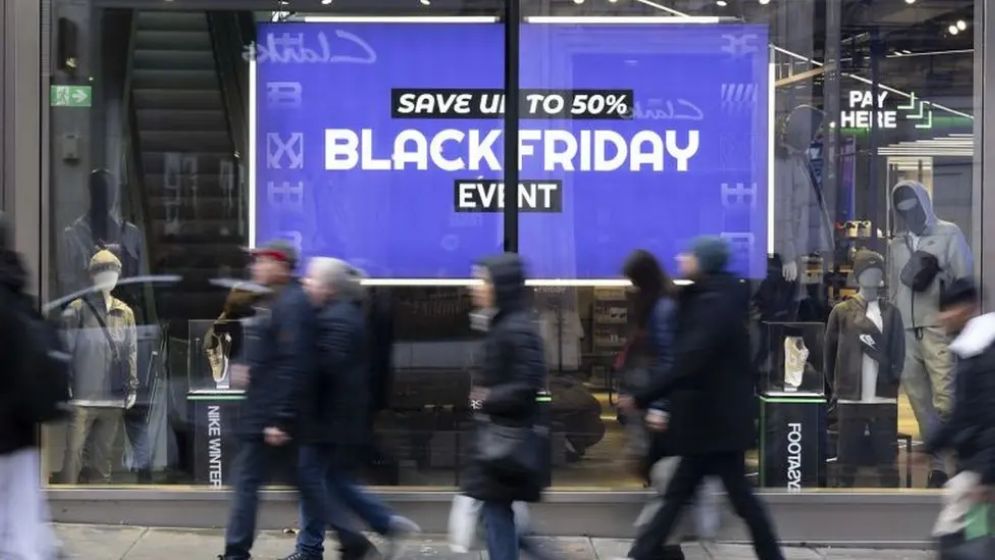
In many countries, retailers now extend their promotions beyond a single day, offering discounts throughout the week or even across November.
Where Did the Name Black Friday Come From?
The history of the name dates back much further than the modern shopping tradition.
One of the earliest notable uses of the term Black Friday occurred on September 24, 1869, during a financial crisis in the United States.
Two prominent Wall Street investors, Jay Gould and Jim Fisk, attempted to manipulate the gold market by purchasing large quantities of gold in an effort to drive up its price. Their scheme eventually collapsed after the US government intervened by releasing additional gold into the market.
Gold prices fell sharply, triggering financial turmoil and causing significant losses for investors. The day became known as Black Friday.
However, this historical event was unrelated to the shopping tradition that later adopted the same name.
How Did Black Friday Become a Shopping Tradition?
The modern shopping-related use of the term is generally traced to Philadelphia during the 1950s and 1960s.
The day after Thanksgiving brought unusually large crowds into the city. People travelled from surrounding areas for early Christmas shopping, while thousands of visitors also arrived for the annual Army-Navy football game, traditionally held on the Saturday after Thanksgiving.
The combination created severe traffic congestion, overcrowded streets and additional pressure on local police.
Officers were required to work longer shifts to manage the crowds, traffic problems and disturbances. They began referring to the busy Friday as Black Friday because of the difficulties it created for law enforcement.
By the early 1960s, the expression had become established in Philadelphia. Local retailers reportedly attempted to replace the negative-sounding name with Big Friday, but the alternative never gained popularity.
Over time, the term became increasingly associated with shopping promotions and the beginning of the Christmas retail season.
How Did Black Friday Get Its Positive Meaning?
During the 1980s, American retailers helped popularise a more positive explanation for the name.
In traditional accounting practices, businesses often recorded losses using red ink and profits using black ink. A company operating at a loss was described as being in the red, while one making a profit was said to be in the black.
Retailers promoted the idea that strong sales after Thanksgiving helped businesses move from the red into the black.
This explanation made the name more attractive to businesses and consumers, connecting Black Friday with profitability rather than traffic congestion and overcrowding.
However, historical evidence suggests that this accounting explanation was developed after the term had already become associated with post-Thanksgiving shopping in Philadelphia.
By the late 1980s and early 1990s, Black Friday had become widely recognised across the United States as a major shopping event.
How Did Black Friday Spread to Other Countries?
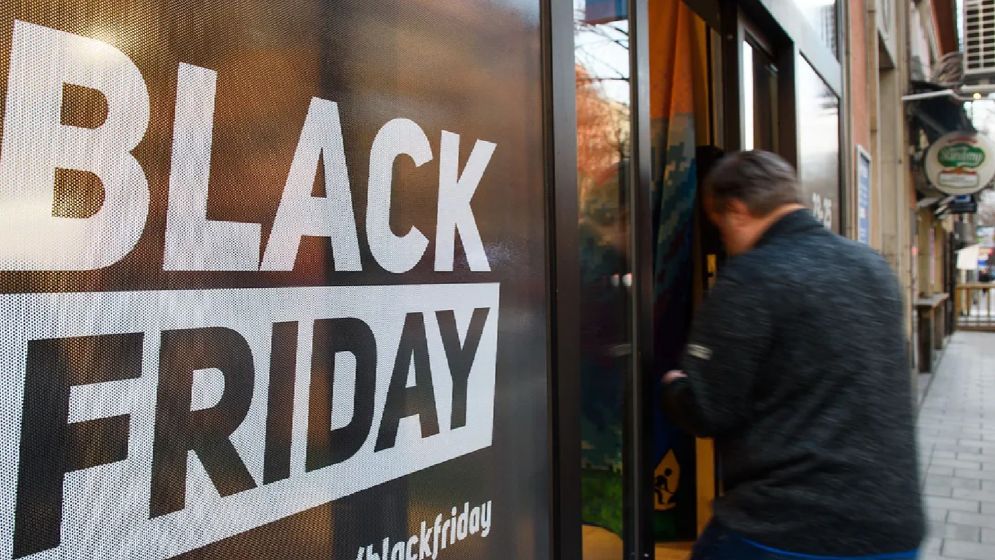
For several decades, Black Friday remained primarily an American retail tradition. The expansion of international retail companies and online shopping eventually helped introduce the concept to other markets.
The United Kingdom became one of the early European markets to embrace the event. Amazon began offering Black Friday promotions to British customers in 2010. Other major retailers subsequently joined the campaign.
The tradition gained wider attention in 2013, when supermarket chain Asda introduced major Black Friday promotions in its stores. By 2014, numerous British retailers had adopted the event, making it a significant part of the country's pre-Christmas shopping season.
Black Friday also spread to other European countries and international markets. Retailers increasingly used the event to attract customers through both physical stores and online platforms.
In Sweden, the tradition began attracting attention around 2013, with online retailers among the early participants. It has since become an established feature of the country's annual retail calendar.
Today, Black Friday promotions are found across Europe, North America, Asia, Africa and other regions, although their popularity and scale vary between markets.
What Is the Difference Between Black Friday and Cyber Monday?
The growth of online shopping has also created another major retail event known as Cyber Monday.
Cyber Monday takes place on the Monday immediately following Black Friday. It was introduced in the United States in 2005 as a way to encourage online shopping after the Thanksgiving holiday.
While Black Friday initially focused heavily on discounts in physical stores, Cyber Monday was designed primarily around online retail promotions.
However, the distinction has become less significant over time. Most major retailers now offer discounts both in stores and online throughout the Black Friday weekend.
The period has also expanded into what is commonly called Black Friday Week or Cyber Week, with promotional campaigns sometimes beginning well before the official date.
When Is Black Friday 2026?
Black Friday takes place on the Friday after Thanksgiving, meaning its date changes each year.
In 2026, Thanksgiving in the United States falls on November 26. Black Friday will therefore take place on Friday, November 27.
Cyber Monday will follow on November 30.
Many retailers are expected to launch promotional campaigns ahead of the official date, with some offering discounts throughout November.
For consumers, the event provides an opportunity to compare prices and purchase products at reduced costs. However, advertised discounts do not always represent the lowest available prices, making it important to check previous prices, compare offers and consider whether a purchase is genuinely worthwhile.
From a Local Tradition to a Global Retail Event
Black Friday has undergone a remarkable transformation over more than a century. A term once associated with financial turmoil and later used by Philadelphia police to describe post-Thanksgiving crowds has become synonymous with major retail discounts.
The expansion of international businesses, digital commerce and changing consumer habits has helped turn the American shopping tradition into a global commercial event.
Today, Black Friday is no longer limited to a single Friday or even the Christmas shopping season. It has become an extended promotional period that plays an increasingly important role in how retailers compete for customers and how consumers prepare for the holiday season.