


 For all latest news, follow the Daily Sun's Google News channel.


Naogaon’s 365 ponds: A centuries-old legend shrouded in mystery
Hedaet Ullah Soukhin
Published: 20 Oct 2026, 12:03 PM
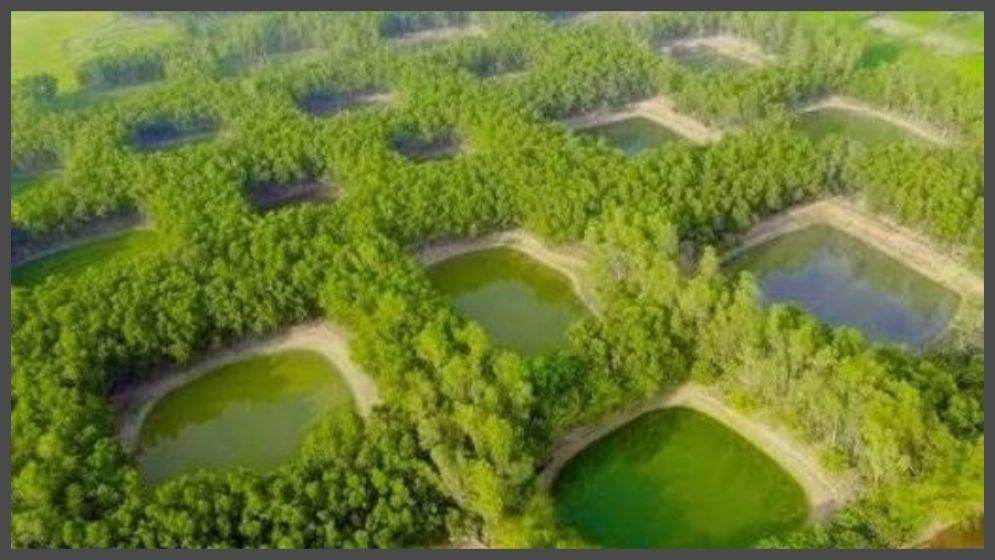
The ponds were reportedly dug with great care, with bathing areas on different sides. Photo: Collected
A village in Naogaon’s Dhamoirhat upazila has long intrigued locals and visitors with a remarkable legend of 365 ponds, believed by some to date back to the Pala dynasty. Located beside the Ghuksi River, Chalk-Chandira village is home to ponds steeped in folklore, although historians have yet to establish exactly when or why they were dug.
According to popular belief, the ponds were excavated on the orders of Pala king Chandilal Pal to cure his beloved queen, who was suffering from a serious illness. As her condition worsened, the king summoned physicians, who reportedly advised that she bathe in a different pond each day throughout the year. The queen eventually recovered, and the story of the 365 ponds passed down through generations.
The ponds were reportedly dug with great care, with bathing areas on different sides. Remnants of these features can still be seen today, adding to the mystery surrounding their origins.
From daily necessities to fish farming
For generations, the ponds served the everyday needs of local residents, who used them for bathing and washing. Their importance has declined, however, as modern facilities have become common in households.
Today, many of the ponds are used for fish farming, with people leasing them from the government.
Despite their continued presence, the ponds' origins remain uncertain. Historians say there is no conclusive evidence to support the legend of the ailing queen, leaving questions about their purpose and the circumstances of their excavation unanswered.
Some researchers believe the ponds may hold clues to an ancient settlement. The sheer number of ponds is also intriguing, particularly because the village lies beside a river and near marshy land capable of retaining water throughout the year.
Spread across an area stretching about six kilometres between Ramprasad and Kamarpara villages, the ponds remain a striking feature of the landscape, their green banks offering a glimpse into the area's past.
Historians differ over the ponds’ origins
Archaeologist Fazlul Karim said there was no clear evidence establishing when or why the ponds were excavated. He also argued that the ponds might not all have been dug during the same period.
Kaji Mostafizur Rahman, a professor of Islamic History and Culture at Rajshahi University, believes some of the ponds date back to the Pala dynasty, while others may have been excavated during the Mughal period.
The differing accounts underline how much remains unknown about the ponds. While folklore connects them to a king's efforts to save his queen, their actual history may be more complex, reflecting different phases of settlement and development.
Untapped tourism potential
Whatever their origins, the ponds have given Chalk-Chandira a distinctive historical and cultural identity. Their number, landscape and enduring legends could make the village an attraction for visitors interested in local history and archaeology.
Local authorities believe the area could draw tourists if the government takes appropriate measures to develop its potential.
For now, the 365 ponds remain both a part of everyday rural life and a source of enduring curiosity. Until further historical or archaeological evidence emerges, their story will continue to rest somewhere between legend and history.